
Last updated November 21, 2026
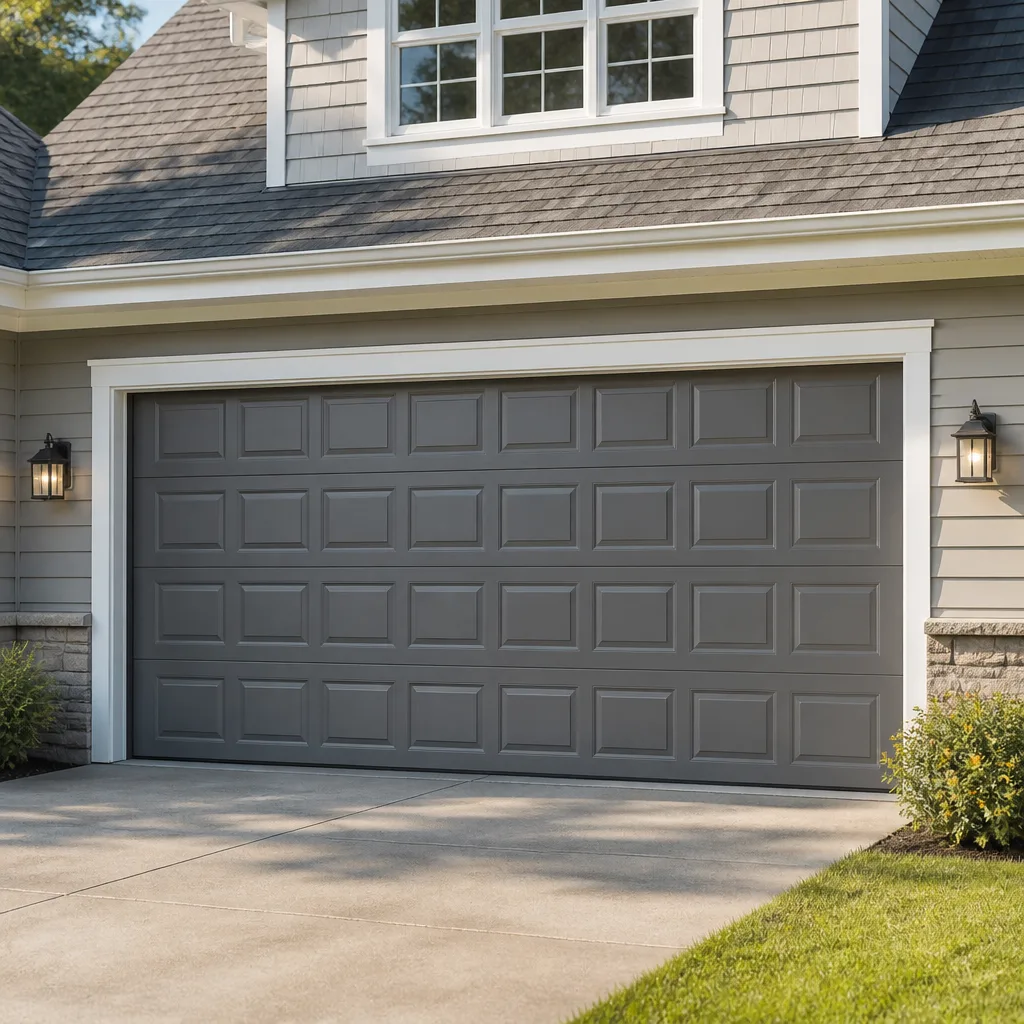 Raised-panel steel
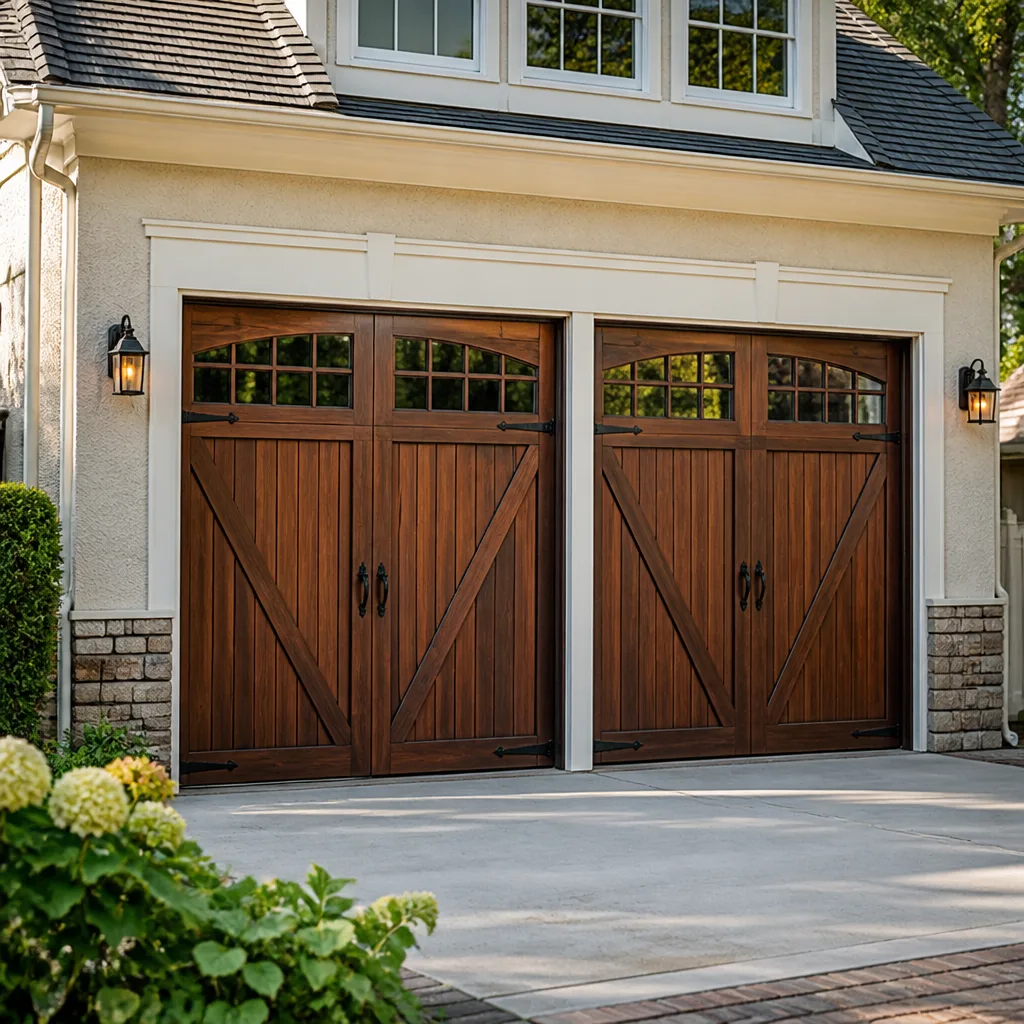 Carriage house
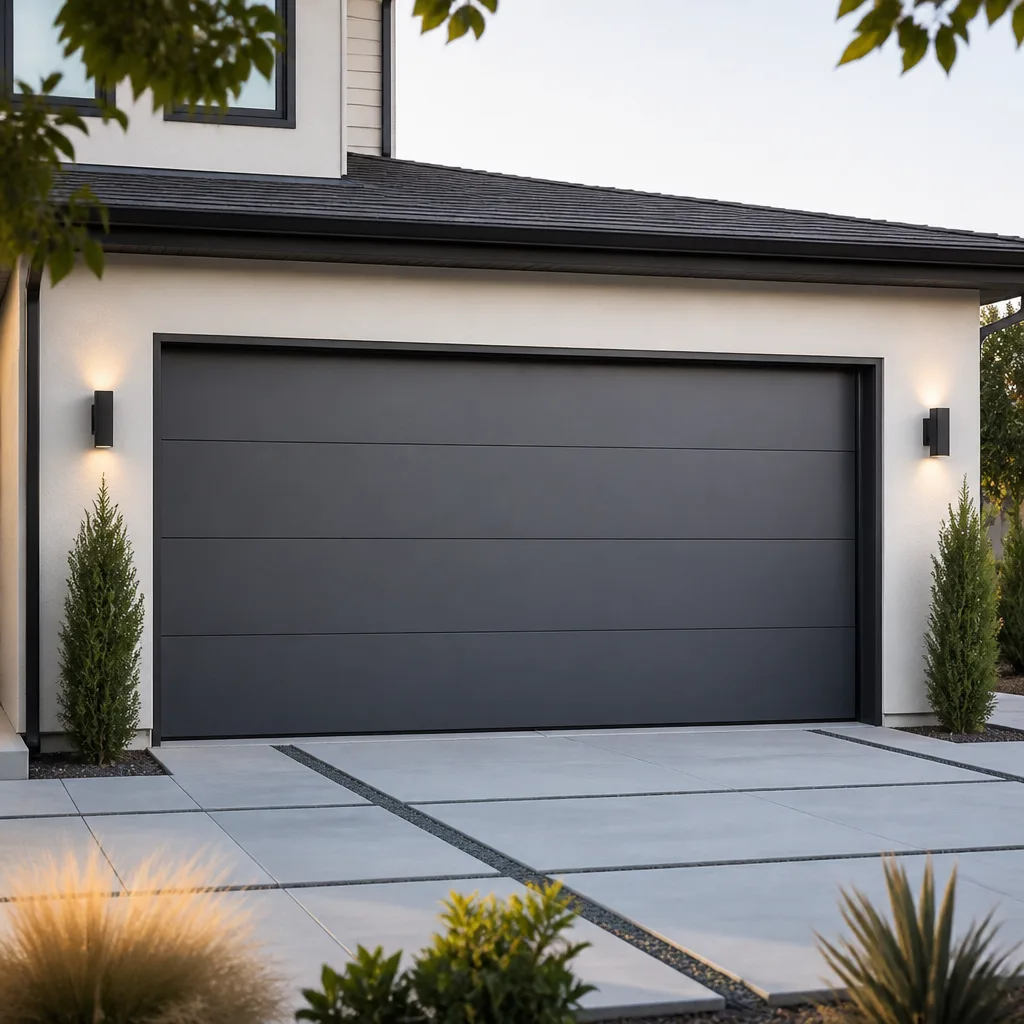 Modern flush
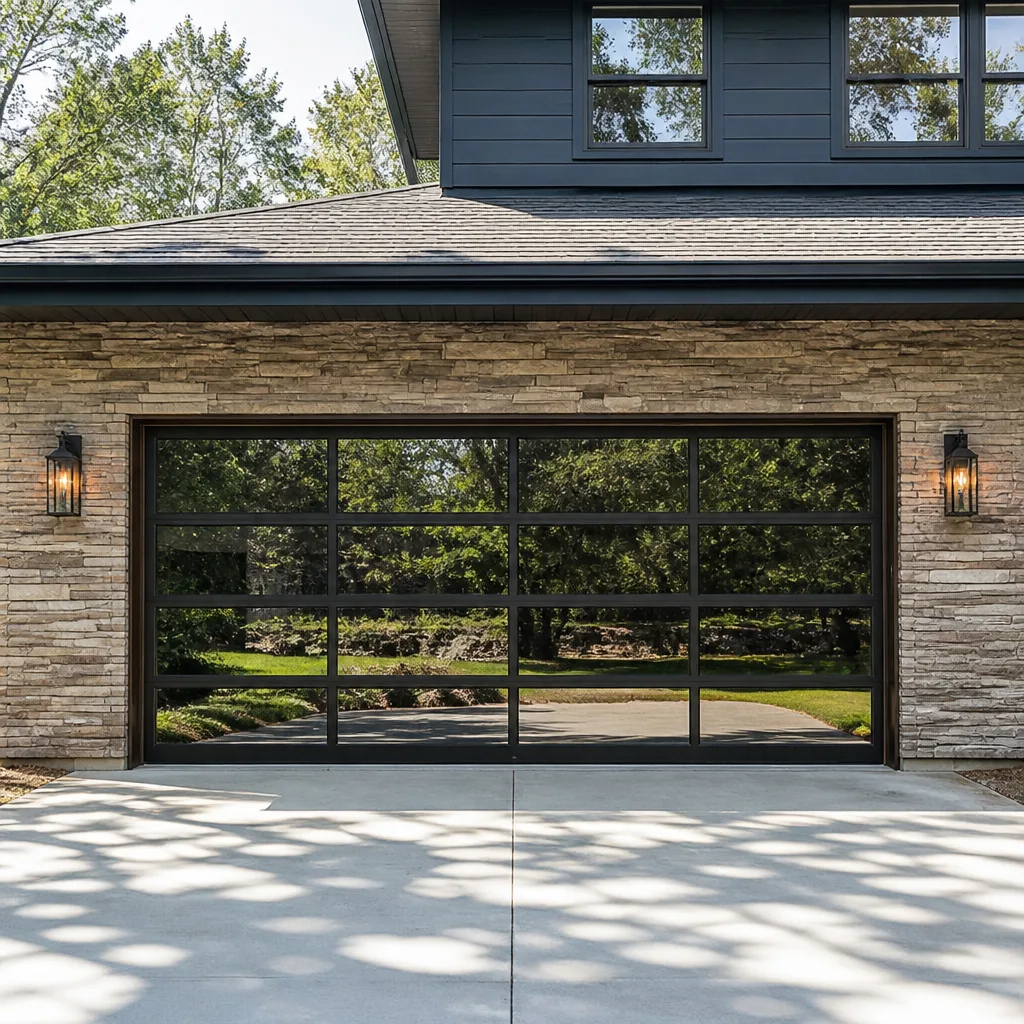 Full-view glass
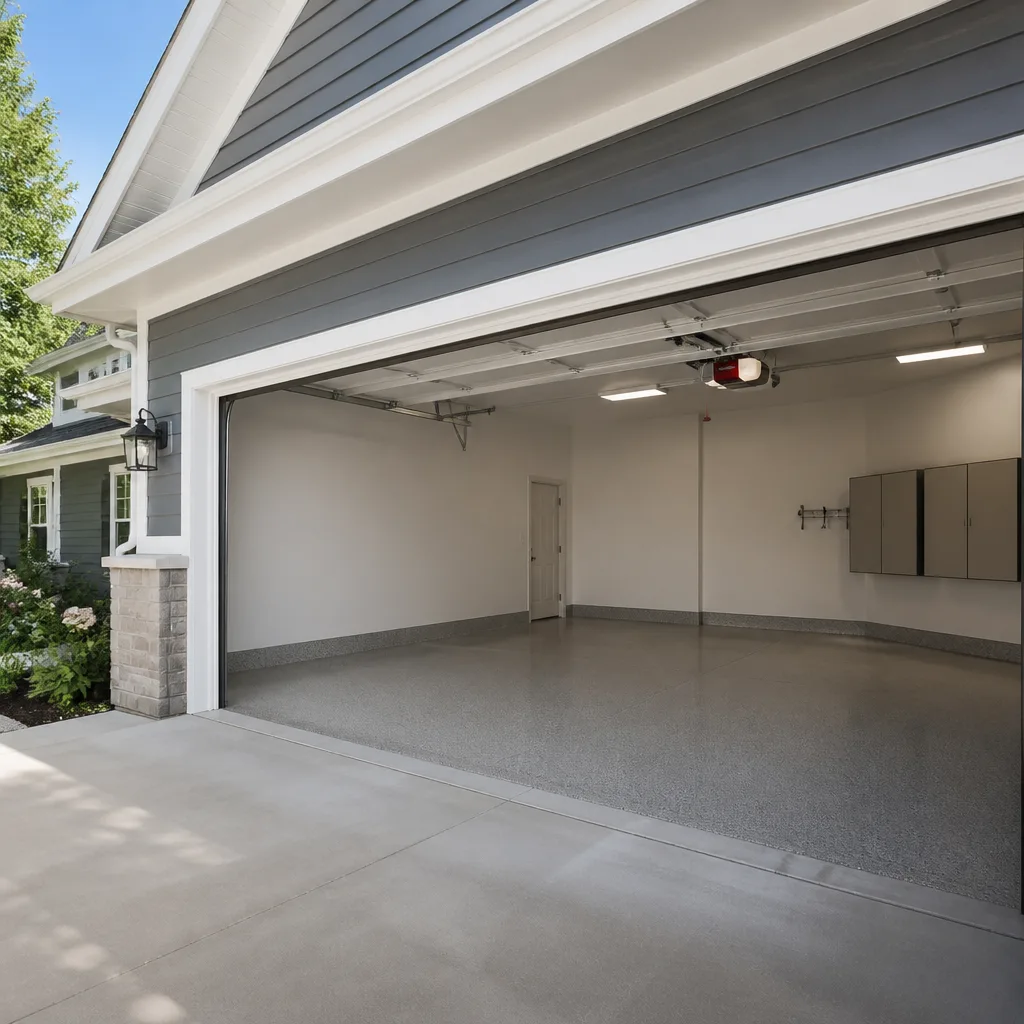 LiftMaster openers
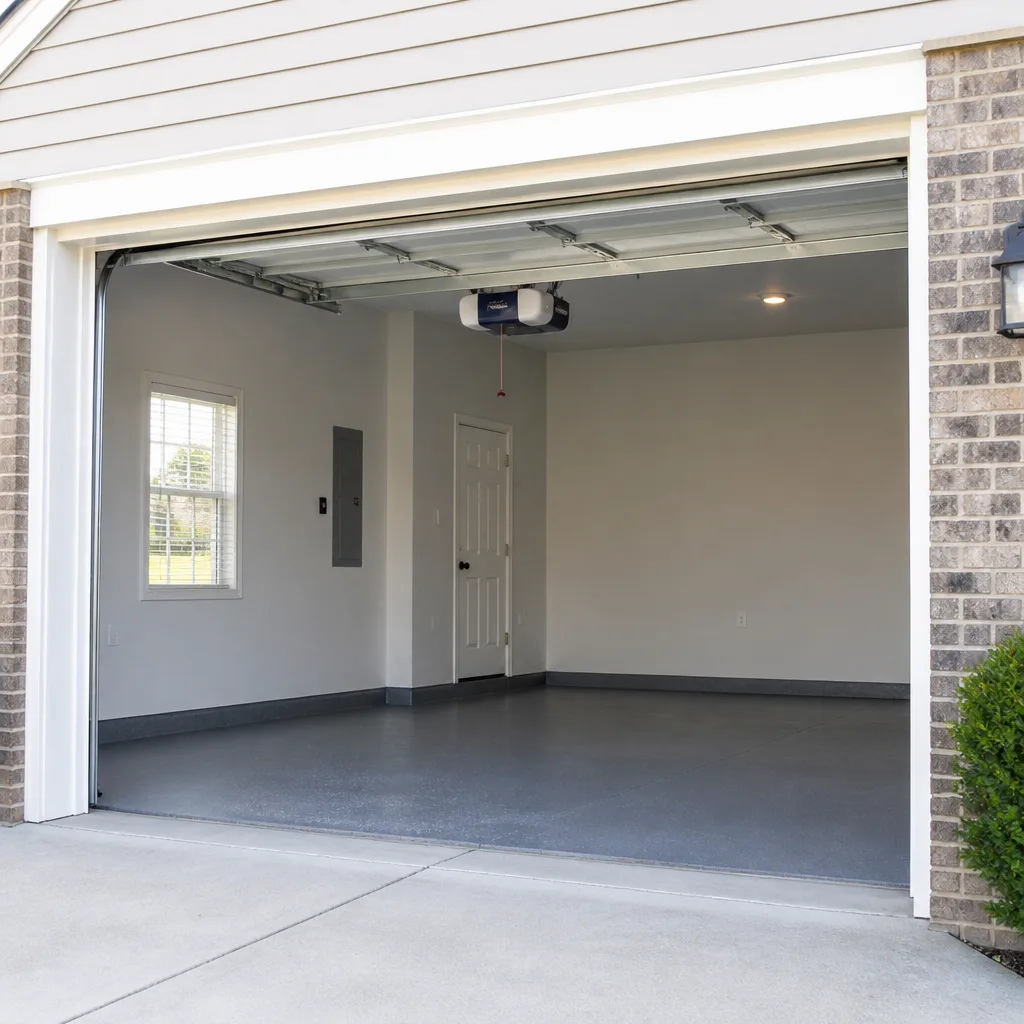 Chamberlain openers
Full 25-point door and opener safety check with every visit - springs, cables, rollers, tracks, and your LiftMaster or Chamberlain opener included
You get a price before we start. It does not change when the pro arrives.
Get your free estimateGarage Door Warning Signs: A West Side Homeowner’s Reference Guide
Most garage doors don’t fail suddenly. They warn you for weeks. A spring that’s about to break usually starts popping in cold weather first. A cable that’s fraying sounds different on one side than the other long before it snaps. A door that’s about to come off its track will grind or hesitate at a certain point in its travel days ahead of the failure. The problem isn’t that garage doors fail silently. It’s that homeowners don’t know what the early signals look like, so they miss every one. This guide teaches you to read those signals on your own door in West Side, so you can book a repair on your schedule instead of an emergency call when the door won’t close.
Quick Answer
The main warning signs of a failing garage door are unusual noise (grinding, popping, rattling, squealing), visible cable fraying or slack, worn or chipped rollers, track misalignment, slow or uneven travel, and a door that reverses when it shouldn’t. Some signs give you weeks to act. Others, especially popping springs and frayed cables, mean stop using the door and call a professional today. If your door in West Side shows any of the urgent signs in this guide, call (855) 963-4043.
Styles & brands we work with
- Raised-panel steel
- Carriage house
- Modern flush
- Full-view glass
- LiftMaster openers
- Chamberlain openers
Table of Contents
- What the Sounds Tell You
- Visual Warning Signs You Can Check Yourself
- Performance Warnings: Slow, Uneven, or Reversing Doors
- Signs That Give You Weeks vs. Signs That Need Same-Day Attention
- Spring and Cable Warning Signs: The Ones That Matter Most
- Opener Warning Signs and Smart-Home Alerts
- West Side Climate and Housing Factors That Speed up Wear
- Quick Reference Table: Symptom to Likely Cause
What the Sounds Tell You
Sound is the first signal most garage door failures give off, and each noise points to a specific component. In our experience, homeowners in West Side rarely call because of noise alone. They call after the noise becomes a failure. Learning what each sound means lets you act weeks earlier.
Grinding usually means metal is rubbing where it shouldn’t. The most common sources are worn rollers that have seized and are skidding instead of rolling, track sections that are out of alignment, or a torsion spring that has lost tension and is letting the door rest on hardware it shouldn’t. A steady grind that gets louder near the top of travel often points to the track or the top section. A grind right at the start of opening often points to a roller or hinge.
Popping is the sound you should take most seriously. A spring that pops, clanks, or makes a sharp cracking noise has usually lost tension suddenly or is about to. On doors with extension springs, popping can also be a sign that a safety cable or the spring hardware is shifting. If the door pops and then won’t open, or opens crooked, stop and call a technician. High-tension springs under load can cause serious injury, and this isn’t a component to work on yourself.
Rattling is usually loose hardware: hinges, bolts, the opener’s rail, or a torsion bar with a loose set screw. Rattling is often a low-urgency sign, but it’s still worth fixing because loose hardware wears out door panels and rollers faster.
Squealing typically means a roller bearing, hinge, or opener drive is running dry or wearing out. Squealing from the opener motor itself (rather than the door) often means a worn gear or a belt that’s about to fail. Squealing is usually the most forgiving of the four sounds, but it’s a strong hint that a roller or opener part is close to the end of its life.
Each of these sounds is easier and cheaper to diagnose early. When you call us about a garage door in West Side, tell us which sound you’re hearing and when it happens. It shortens the diagnosis and often points us to the right part before the door is even open.
Visual Warning Signs You Can Check Yourself
You can check most of the visual warning signs from the floor with a flashlight, without touching anything under tension. Here’s what to look at, in order.
- Cables. Look at the cables on both sides of the door where they wind onto the drums. A healthy cable is a clean steel line. A failing cable is frayed, kinked, has broken strands standing out like a wire brush, or is hanging slack. Any of those means stop using the door.
- Rollers. Check the rollers where they meet the track. Worn rollers are chipped, flat-spotted, or loose in their brackets. A roller that has fallen out of the track entirely is a call-today sign.
- Track alignment. Look for gaps between the rollers and the track, dents, or sections that aren’t straight. A bent track panel forces the rollers to bind and makes the door harder to open.
- Hinges and bolts. Loose hinge screws and missing bolts around the door frame are common and are a sign the door is working harder than it should.
- Weatherstripping and bottom seal. A bottom seal that’s cracked or missing lets in water, which is a real problem in West Side’s cold and wet winters and wet springs. Water under a door stresses the bottom section and the track.
- Panel condition. Look for dents, cracking, and separation between panels. Uneven panel gaps mean the door is shifting, which stresses the springs and cables.
If you find a frayed cable, a slack cable, or a roller that has left the track, stop operating the door. It’s not worth testing whether it will open one more time. For the rest, you can usually keep using the door but should book a repair soon. If you’re not sure what you’re looking at, our garage door repair service includes an inspection and a written estimate before any work starts.
Performance Warnings: Slow, Uneven, or Reversing Doors
How the door behaves during a normal open and close tells you almost as much as how it sounds. These are the performance signs to watch for.
Slow or labored movement often points to a spring that has lost tension, a roller that’s binding, or an opener that’s working harder than it should. A door that’s been opening fine for years and suddenly opens slowly is usually telling you a mechanical part is failing, not that the motor is tired.
Uneven travel shows up as a door that goes up crooked or comes down harder on one side. That usually means the springs or cables aren’t balanced. One spring may have broken while the other is still holding. This is the most important performance sign to act on quickly, because a door running on one spring puts serious stress on the whole system.
A door that reverses when it shouldn’t is a safety issue. Your door has two safety systems: an object sensor at the bottom and a force limit that triggers a reverse if the door meets resistance. If the door reverses with nothing in the way, or doesn’t reverse when you put a foot under it on a test, one of those systems is failing. A garage door that won’t reverse is a serious safety problem, especially for a home in West Side with kids or pets using the garage as a main entry.
Shortened travel or a door that stops partway is often an opener limit-set issue, but it can also be a sign that the door is binding on the track or that a spring is failing. It’s worth having diagnosed rather than resetting the limits over and over, because the underlying problem doesn’t go away on its own.
These performance signs are your best early warning in West Side, where doors run in cold winters and heat in summer, two extremes that wear parts faster than a steady climate would. Catching the first slow or uneven movement usually means booking a repair before you’re stuck with a door that won’t open.
Signs That Give You Weeks vs. Signs That Need Same-Day Attention
Splitting the warning signs into two groups is the single most useful thing you can do after reading this guide. Some signs let you book a repair on your own schedule. Others mean stop and call today.
Signs that give you weeks to act:
- Light rattling or squeaking from hinges, rollers, or the door frame
- Worn but intact rollers and a door that still opens and closes smoothly
- A slightly slow door that still travels straight
- Cracked or missing weatherstripping along the bottom
- Minor dents or scuffed panels that don’t affect travel
- An opener that squeals but still moves the door normally
Signs that need same-day attention:
- Popping, snapping, or cracking sounds from the spring area
- A frayed or slack cable, or a cable hanging off the drum
- A door that opens crooked, doesn’t fully open, or won’t close
- A door that reverses with nothing in its path, or that won’t reverse when tested
- A roller that has jumped the track or a track that’s visibly bent
- A door that is stuck open and can’t be secured
The dividing line is whether the door still operates safely and evenly. If it does, you have time to book a normal repair. If it doesn’t, the door is holding tension in a compromised state, and the next operation could cause a sudden failure. Those are the calls that should not wait for a convenient day. Emergency garage door service is a core part of what we do, precisely because these failures usually happen when the door is needed most, like when a vehicle is stuck inside.
Spring and Cable Warning Signs: The Ones That Matter Most
Springs and cables are the most dangerous and most frequently failing parts on any garage door, and they’re the parts to read most carefully. On a door with two torsion springs, a matched pair is usually replaced together, because a pair that has run the same number of cycles tends to fail close together, and one new spring beside a tired one will wear unevenly.
The spring and cable warning signs to watch for:
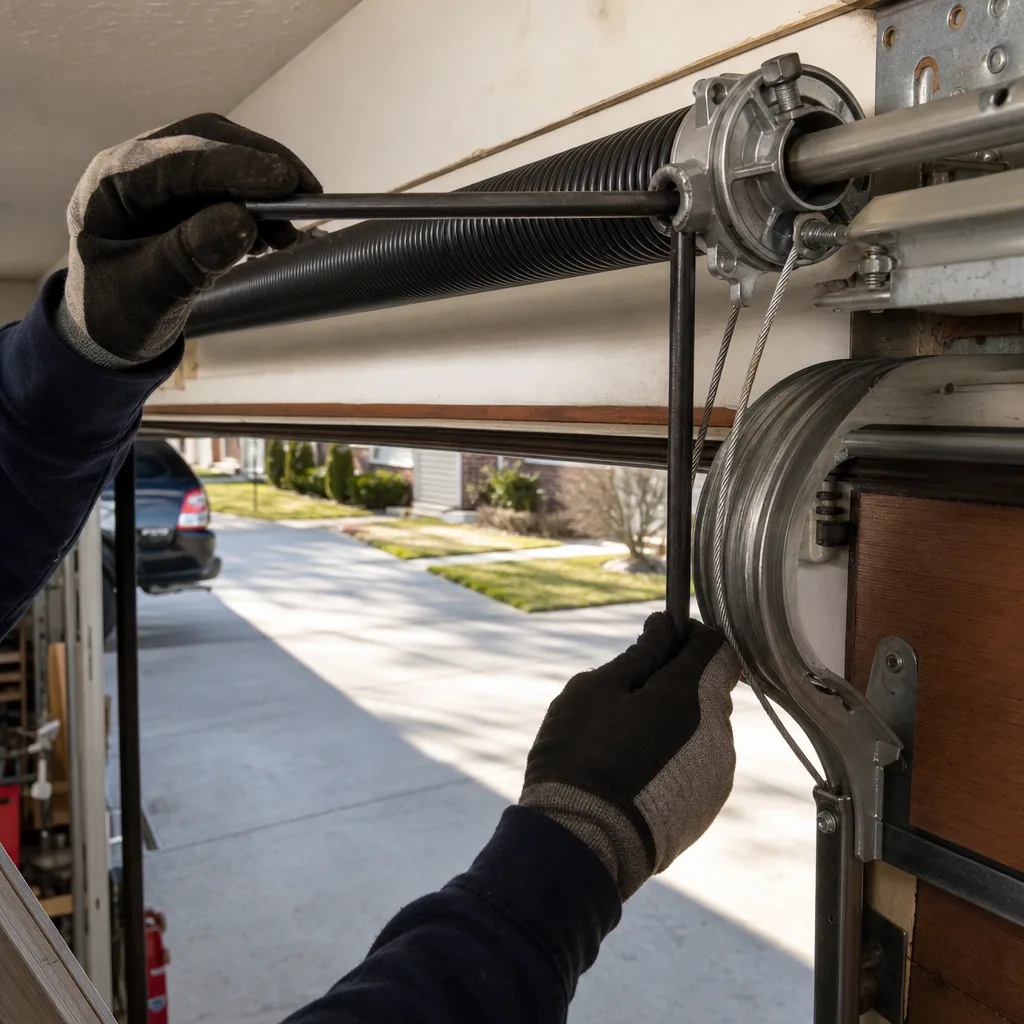
- A visible gap in the spring. If you can see a break in the coil of a torsion spring above the door, that spring has failed.
- A door that feels heavy when lifted. If you disengage the opener and the door is hard to lift by hand, the springs aren’t carrying their share of the weight. Test this gently by hand only with the door released, and never put your hands near the spring itself.
- Frayed or kinked cables on either side, especially where they wind onto the drum.
- Loud popping or cracking followed by a door that won’t lift. This is the classic spring failure signal.
- A door that goes up crooked, which often points to one spring still working while the other has failed.
- A cable that’s hanging slack or off the drum entirely. Stop using the door.
Here’s why we handle this as a specific service: high-tension springs under load store a lot of energy, and a spring or cable that fails while someone is working on it can cause serious injury. That’s why spring work should go to trained technicians, not to a handyman or a generalist. In our experience, spring repair done right includes checking the balance of the door, inspecting both springs and both cables, and confirming the door is in balance before it leaves the shop. When the spring in your West Side home fails, call us and we’ll diagnose it and give you a written estimate before any work starts. We work on torsion and extension springs on Amarr, Wayne Dalton, and the other major brands, so the hardware matches the door.
Opener Warning Signs and Smart-Home Alerts
The opener has its own warning signs, and they’re easy to miss because the door may still open while the opener is the part failing. Modern openers that report through an app can give you a head start, but only if you read the alerts.
Opener signs to watch for:
- A remote that works only close to the door. Usually a sign of a fading battery or an antenna or board problem.
- A door that opens from the wall button but not the remote. Often a remote or receiver issue rather than a door problem.
- A grinding or squealing from the opener motor. Often a worn gear or a failing drive belt.
- Frequent app alerts that the door is open, or that the door isn’t responding. Modern LiftMaster and Chamberlain myQ systems report exactly this, and it’s usually the first signal that an opener or an obstruction sensor is failing.
- Lights that blink or a door that reverses right after closing. Usually an obstruction sensor out of alignment or a failing force limit.
- An opener that’s older and no longer responds to a replacement remote. Legacy systems like Craftsman and Genie reach a point where parts and remotes get scarce. We work on the LiftMaster and Chamberlain myQ ecosystem and on the older Craftsman and Genie systems too, so you’re not stuck trying to find a specialty shop for a legacy opener.
An opener failure is often easier to fix early than to replace. If your opener in West Side is the wrong age for its jobs, our garage door opener repair service can diagnose the whole door-and-opener system together.
West Side Climate and Housing Factors That Speed up Wear
West Side’s climate works the door harder than a steady climate would. Cold winters, freeze-thaw cycling in spring, and hot summers each stress different parts of the door, and a door that spends its life in this weather will show warning signs sooner than one in a mild climate.
Cold winters. The steel in springs contracts in the cold, and the first thing you’ll often hear when a spring is nearing failure is a pop on the first cold morning. Rollers stiffen, grease thickens, and the door pulls harder on the opener. If your door is louder in January than it was in October, that’s your cue to have the springs and rollers checked before something fails in a cold snap.
Freeze-thaw cycling in spring. Water that gets under a door with a worn bottom seal freezes overnight and can bind the bottom section or the track. A cracked or missing seal is one of the cheapest warning signs to fix, and it’s the one most West Side homeowners skip because the door still opens.
Hot, humid summers. Heat softens bottom seals, and humidity works on the metal parts of older doors and openers. Panel gaps and worn weatherstripping get worse in summer.
Older housing stock. Many homes in West Side were built with doors and openers that have run for decades, and the older a system gets, the more the warning signs matter. A spring that’s been cycled tens of thousands of times has less margin, and the pop you hear might be its last. Older openers, including legacy Craftsman and Genie systems, also age out of parts availability, so an early diagnosis can often save you a full replacement.
Door type matters too. Heavier doors with more panels load the springs harder, and doors in West Side homes with attached garages used as a main entry run more cycles per day than a door used only for the car. That added use is why warning signs matter more here than on a door that opens twice a day.
Quick Reference Table: Symptom to Likely Cause
Use this table when something sounds or looks wrong. Find the symptom, read the likely cause, and check the urgency column before you use the door again. You don’t need any technical background to use it.
Quick Reference: Warning Sign, Likely Cause, and How Urgent
| Symptom | Likely Cause | Urgency |
|---|---|---|
| Popping or cracking from above the door | Failing torsion spring | Stop using, same-day |
| Frayed or slack cable | Worn cable or cable off the drum | Stop using, same-day |
| Door opens crooked or stops partway | One spring failed, or a binding track | Stop using, same-day |
| Grinding while opening | Seized roller or misaligned track | Book soon |
| Rattling | Loose hinges or bolts | Book soon |
| Squealing | Worn roller or opener drive | Book soon |
| Door reverses with nothing in the way | Safety sensor or force limit issue | Same-day |
| Door won’t reverse when tested | Safety system failure | Stop using, same-day |
| Opener alerts that the door is open | Sensor or opener board issue | Book soon |
| Remote works only close to the door | Battery or antenna issue | Book soon |
| Cracked bottom seal | Worn weatherstripping | Book when convenient |
If your symptom is in the “same-day” column, call us before you use the door. If it’s in the “book soon” column, you have time to get a written estimate and a scheduled appointment. If you’re not sure which column your door falls into, call (855) 963-4043 and describe what you’re seeing and hearing. We’ll tell you whether it can wait.
See the difference
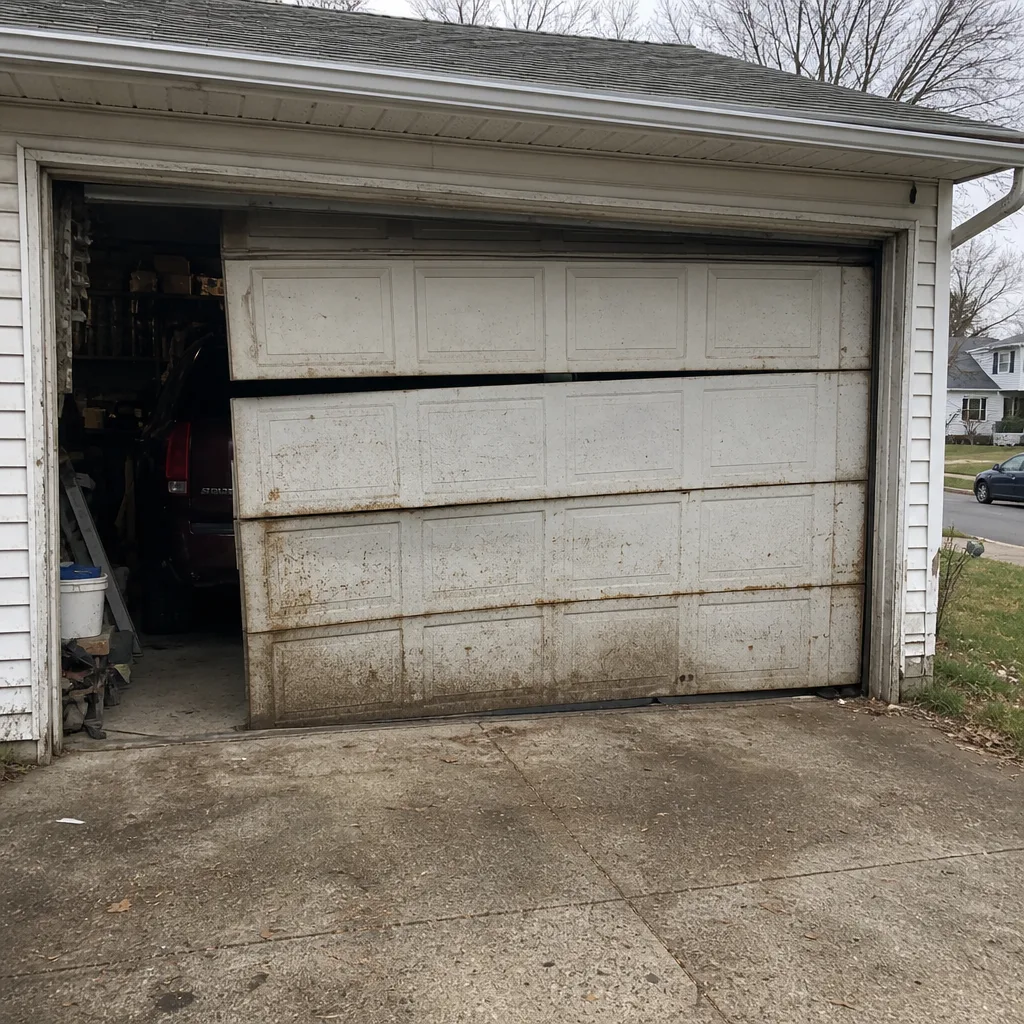 Before
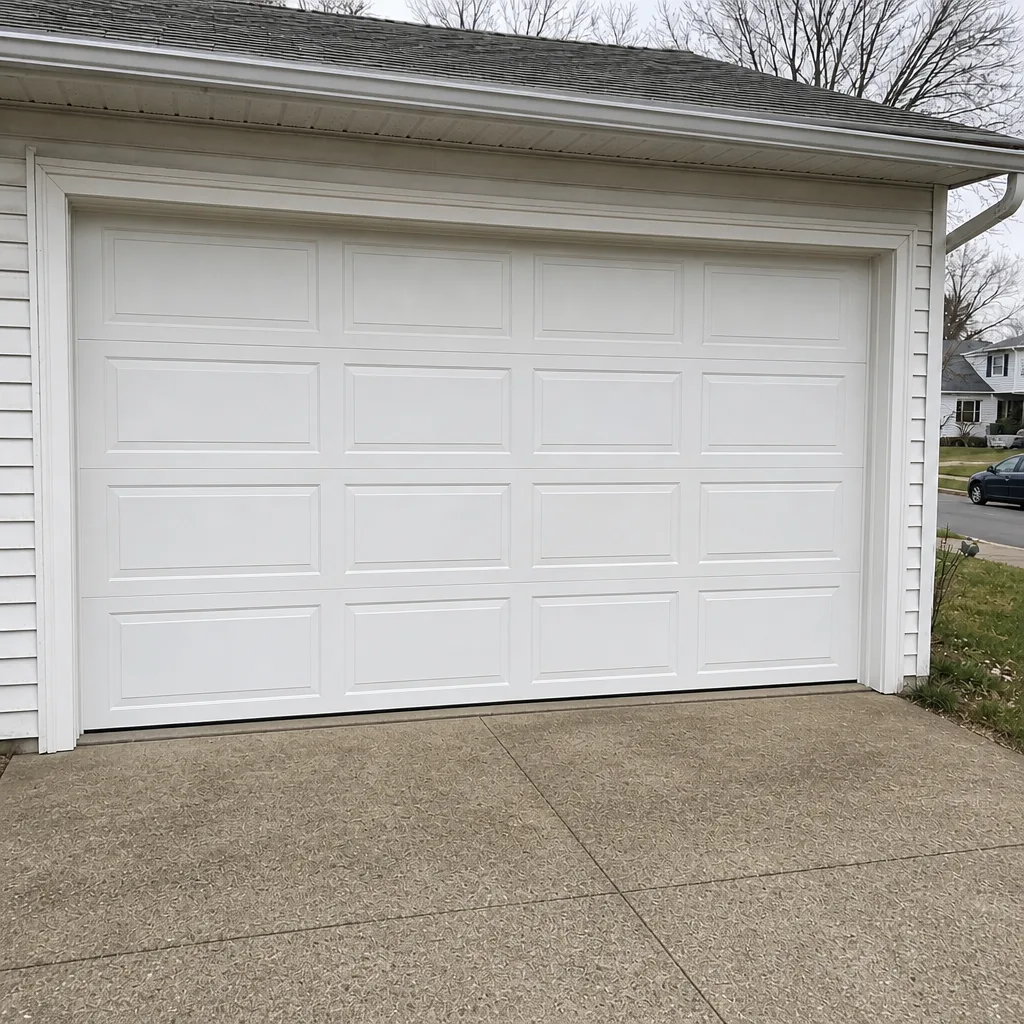 After
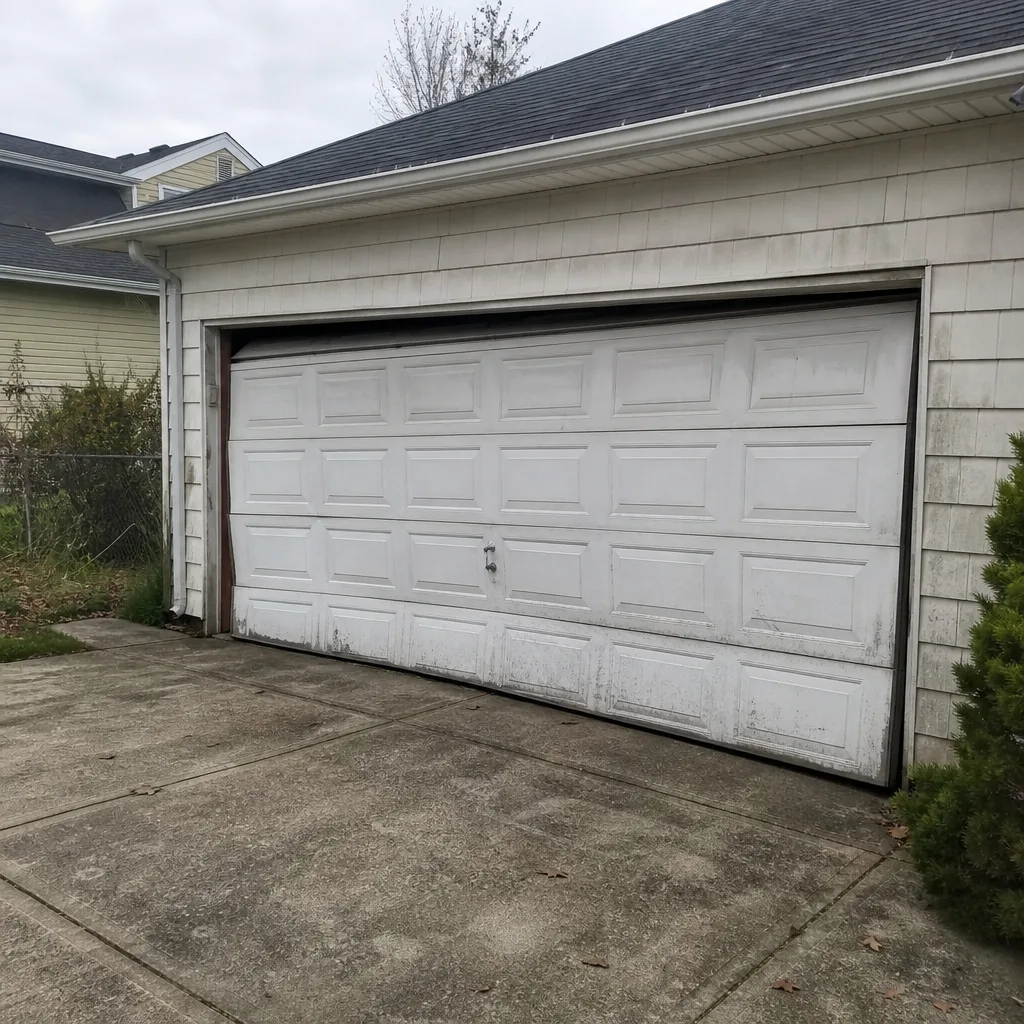 Before
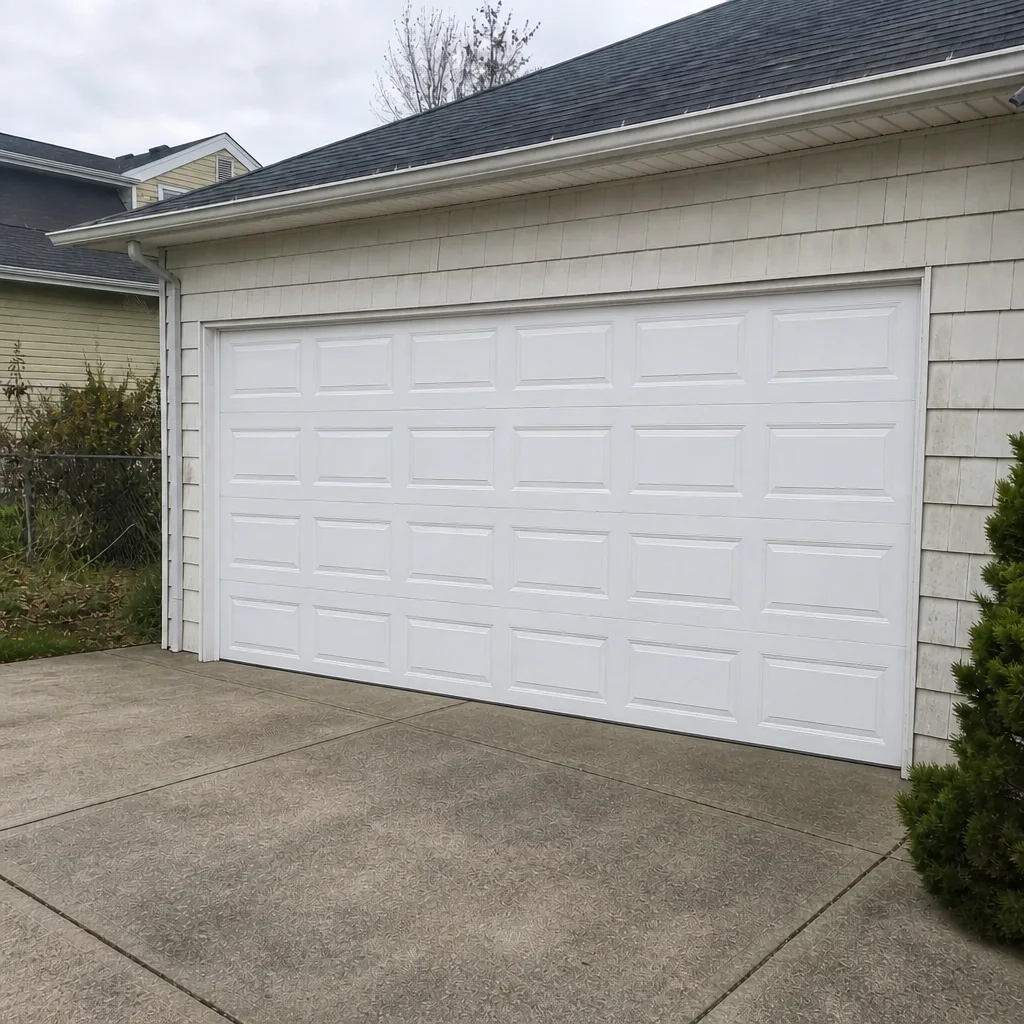 After
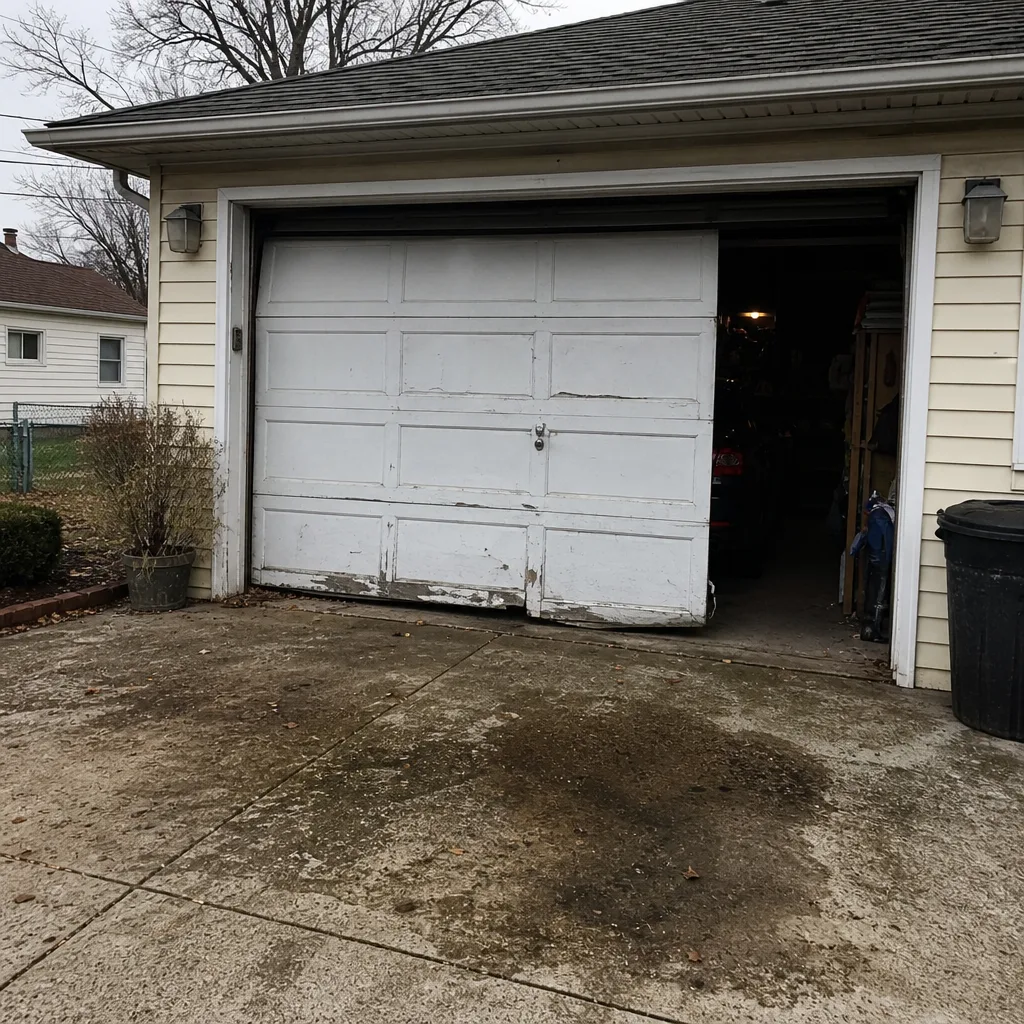 Before
 After
Common Mistakes to Avoid
- Trying to fix a spring yourself. High-tension springs store a lot of energy, and this is the one part of the door where a mistake can cause serious injury. Leave spring and cable work to trained technicians, and don’t let a general handyman touch it either.
- Ignoring a pop on a cold morning. A spring that pops once may last a few more cycles or may fail the next time you open the door. In West Side’s cold winters, a pop is the signal to get the door checked before the next freeze.
- Greasing the wrong parts. Some parts of a torsion system should stay dry, and oiling a spring or a track can cause more problems than it solves. If you’re not sure, ask before you spray.
- Continuing to use a door that’s crooked or won’t close. Running a door on one spring or a binding track puts stress on the whole system and can turn a repair into a replacement.
- Resetting the opener limits over and over. If the door keeps stopping partway, the limit-reset fixes the symptom but hides the cause, which is often a failing spring or a bent track.
- Missing the bottom seal. A cracked seal lets water under a West Side door in winter and spring, and it’s one of the cheapest warning signs to repair before it causes damage.
- Waiting for the door to break. A door that shows several early warning signs at once is already telling you to act. Read the signals and book the repair before the door won’t open or won’t close.
One more mistake we see: calling a different contractor for every part of the system. Panels, springs, cables, tracks, and openers all work together, and a door with multiple warning signs is easier to fix right when one specialist handles the whole system. If your door has several signs at once, or if you’re at the point where the whole door needs replacing, the garage door installation service covers doors from brands including Clopay, Amarr, and Raynor, so you can have a new door installed along with the repair instead of sourcing it in pieces. And if you need a full diagnosis of the whole system, our Garage Door Repair West Side service is the starting point.
When to Call a Professional
Call a professional the moment your door shows any sign from the “same-day” column in this guide. That means popping or snapping springs, frayed or slack cables, a door that opens crooked, a door that won’t close, a roller that has jumped the track, or a door that reverses with nothing in its path. Those signs mean the door is holding tension in a compromised state, and the next cycle could cause a sudden failure. Don’t try to lift a heavy door by hand to “test” it once the springs are suspect.
Call us sooner rather than later if you have several “book soon” signs at once: rattling plus squealing, a slow door plus worn rollers, a cracked bottom seal plus a dragging bottom section. These add up. A door in West Side with several early signs is telling you it needs service before winter or before the next big weather swing. Garage Door Repair West Side offers free estimates in West Side. Call (855) 963-4043. We answer 24/7, with fast dispatch from 7am to 7pm.
Frequently Asked Questions
A popping or cracking sound from above the door is usually the first sign, often on a cold morning. A failing torsion spring can also show up as a visible gap in the coil, a door that feels heavy when lifted by hand, or a door that opens crooked. If you hear a pop, stop using the door and call (855) 963-4043 for an exact quote. Estimates are free.
Rattling from loose hinges and bolts is often a straightforward fix if you’re comfortable with a wrench, and so is a cracked bottom seal. Squealing from a roller bearing or the opener drive is better diagnosed by a technician, because the fix depends on which part is wearing. Spring and cable work should always go to a professional. If you’re not sure which part is the source, call (855) 963-4043 and describe the noise.
Same-day service is needed when the door can’t operate safely: a popping spring, a frayed or slack cable, a door that opens crooked or won’t close, a roller that has left the track, or a door that won’t reverse when tested. If the door still opens smoothly and evenly, you can usually book a normal appointment. When in doubt, call (855) 963-4043. We answer 24/7. A call outside dispatch hours is booked into the next opening, Sunday through Friday, 7am to 7pm.
The written estimate you receive is the price you pay. We inspect the door, diagnose what’s wrong, and give you a written estimate before any work starts. If you agree to it, we do the work at that price, and if the diagnosis changes once parts are off, we talk to you before we go further. Call (855) 963-4043 to schedule an estimate.
The technicians we connect you with are trained specifically on garage door systems, and the local pro is licensed and insured as their state requires. That includes spring and cable work, which we don’t hand off to general handymen. For an appointment on a door in West Side, call (855) 963-4043.
Yes. Modern LiftMaster and Chamberlain myQ systems report activity to an app, so an alert that the door is open, or that it isn’t responding normally, is often the earliest sign of a sensor or opener problem. Older Craftsman and Genie openers don’t report this way, so the sound and visual checks in this guide matter more. If your app is sending alerts you don’t understand, call (855) 963-4043 and we’ll diagnose the opener.
The Bottom Line
Every major garage door failure starts as a warning: a pop on a cold morning, a cable starting to fray, a door that opens a little crooked. The door gives you weeks of notice if you know what to listen for and what to look at. Use the two-column split in this guide to decide whether you have time or need to call today. Springs and cables are the signals to take most seriously, and they’re always a job for a trained technician. For a free estimate on a door in West Side, call (855) 963-4043. We answer 24/7, with fast dispatch from 7am to 7pm.
Written by the team at Garage Door Repair West Side.