
Last updated November 21, 2026
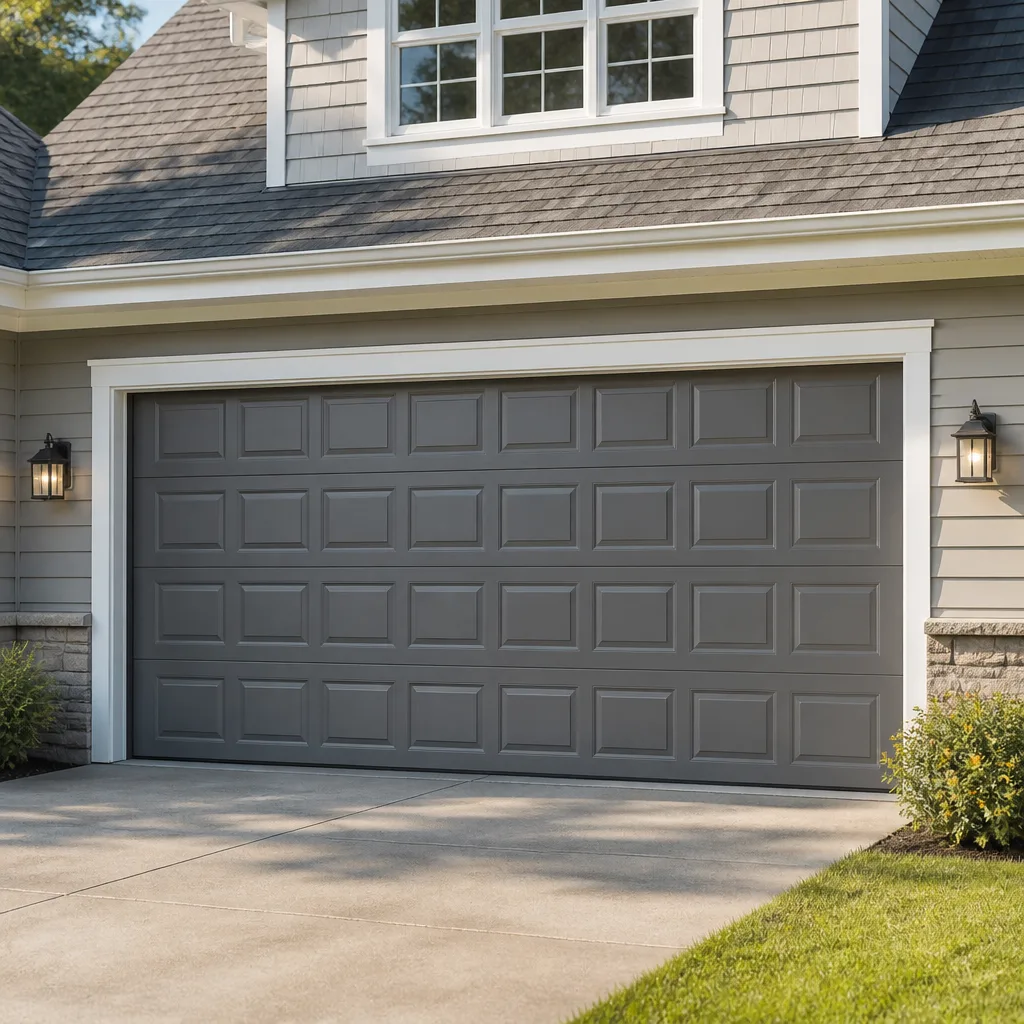 Raised-panel steel
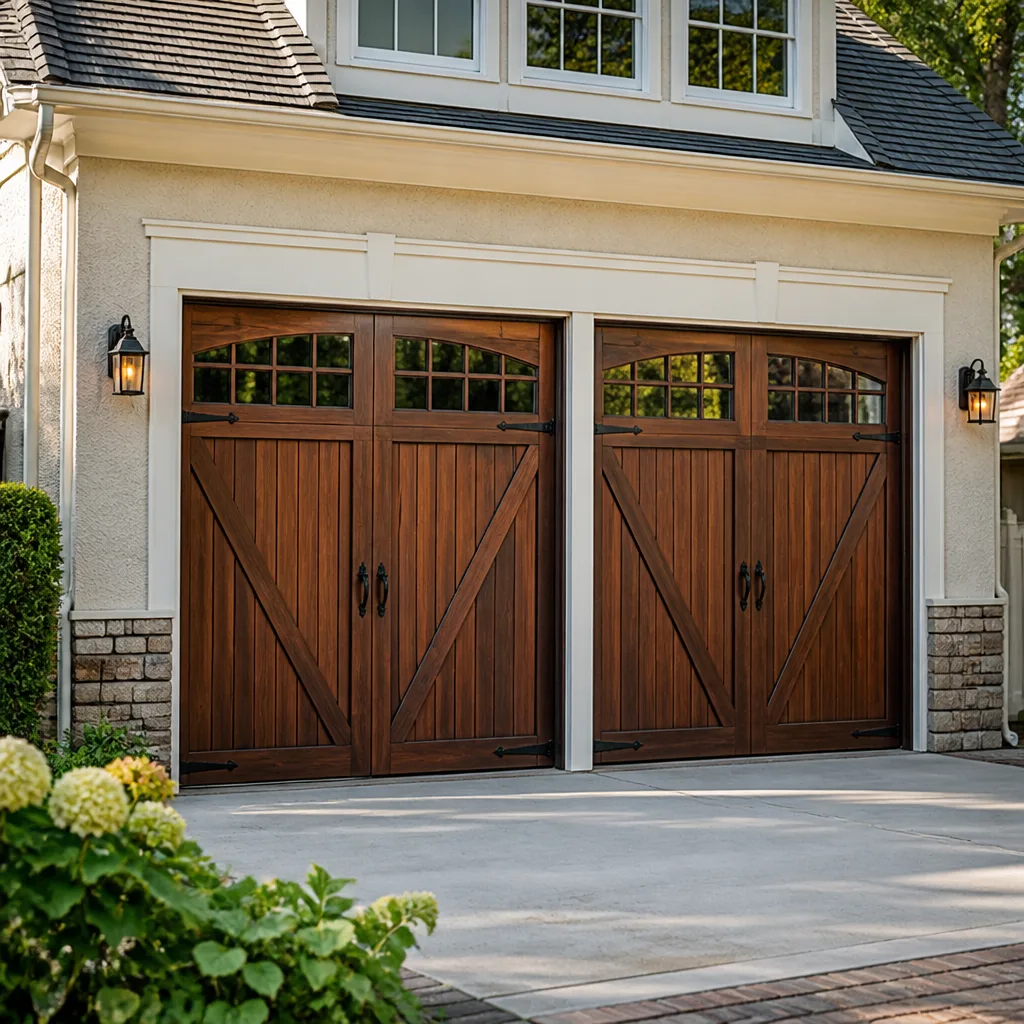 Carriage house
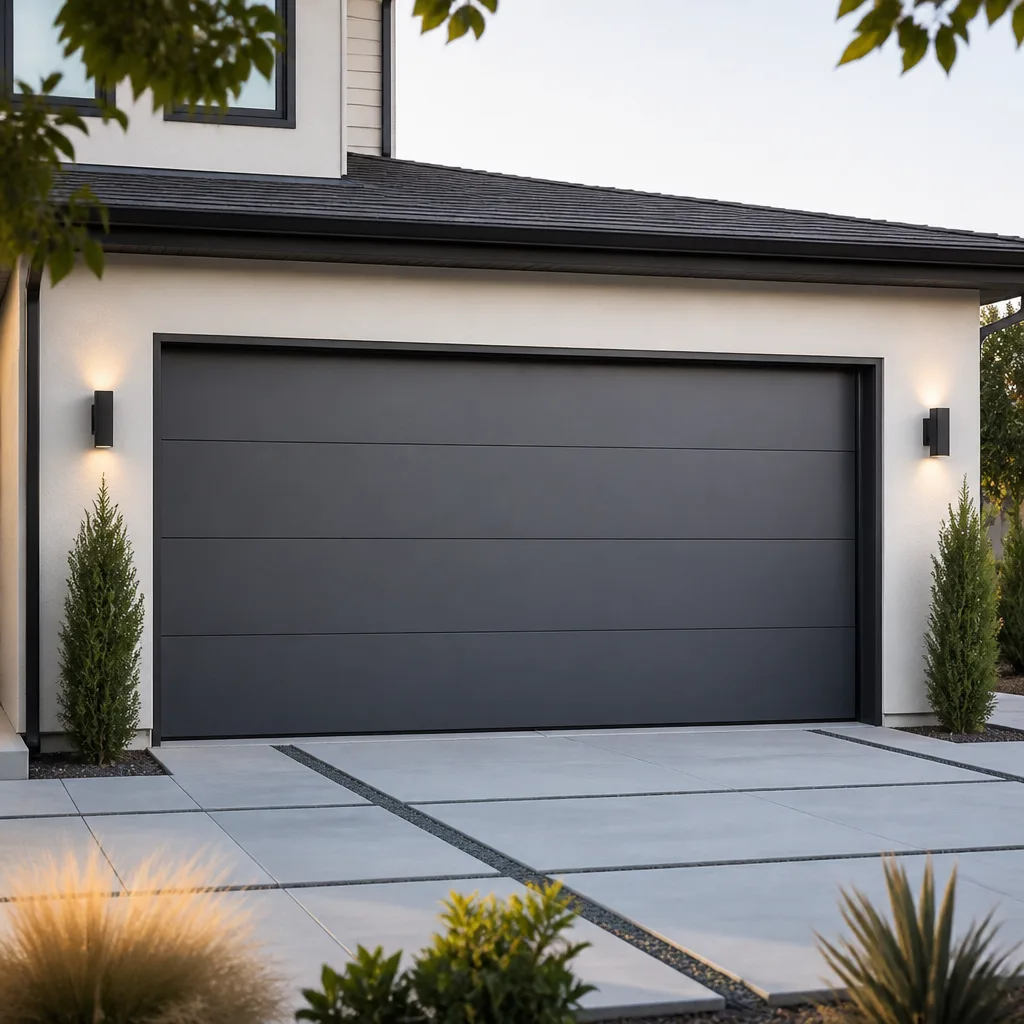 Modern flush
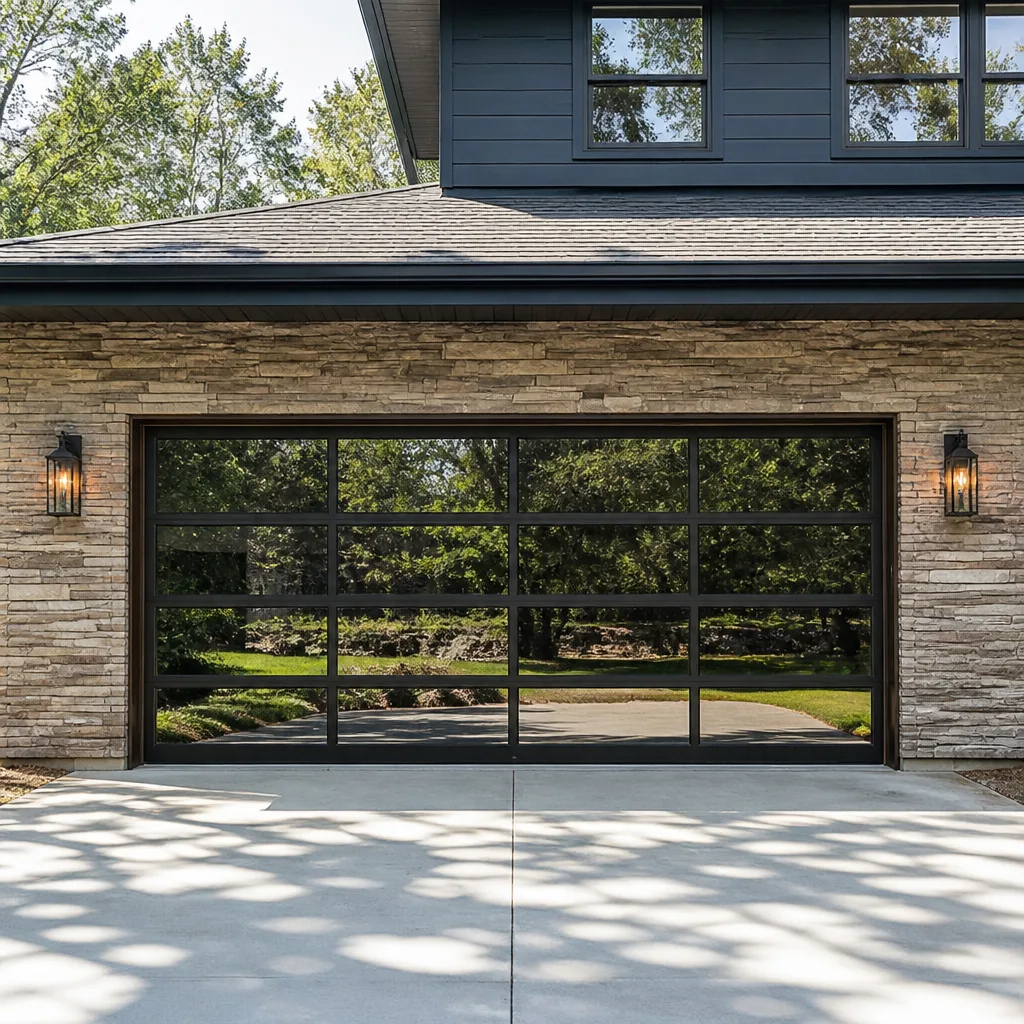 Full-view glass
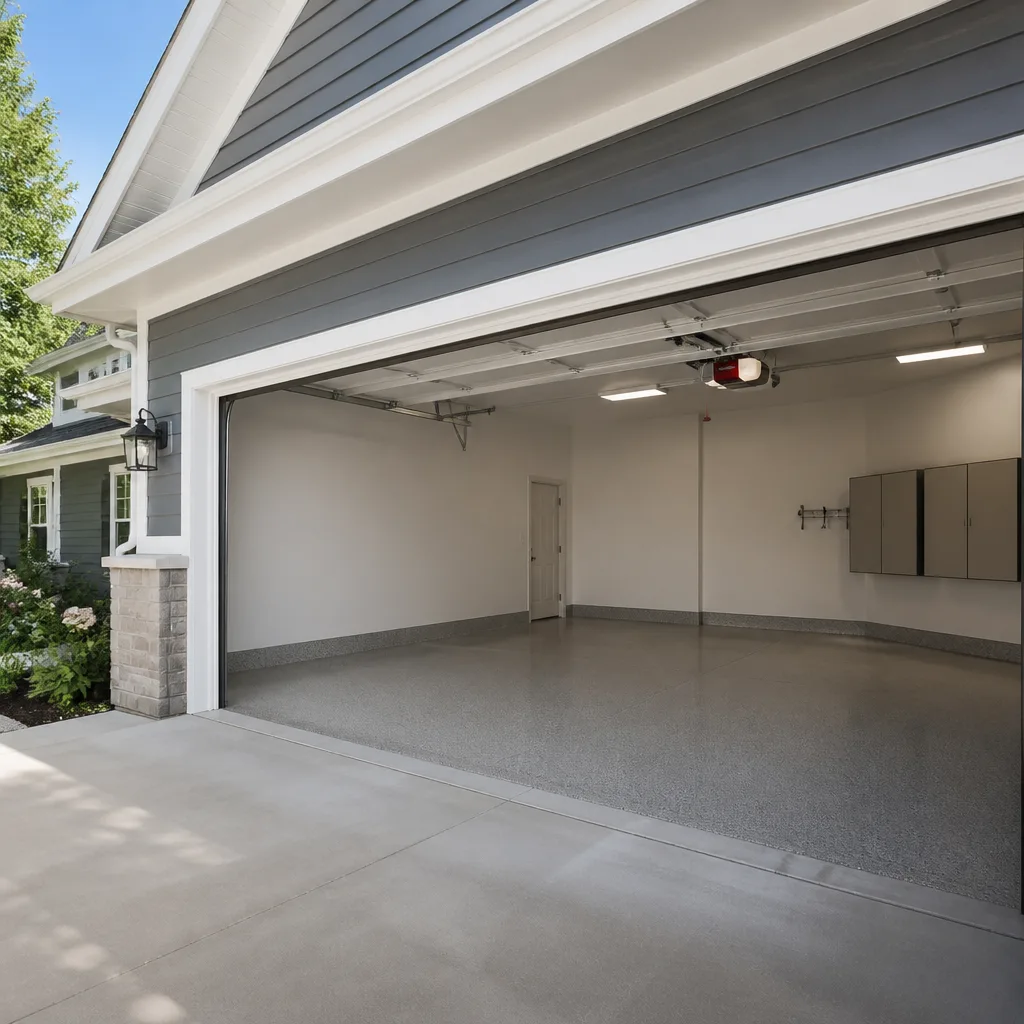 LiftMaster openers
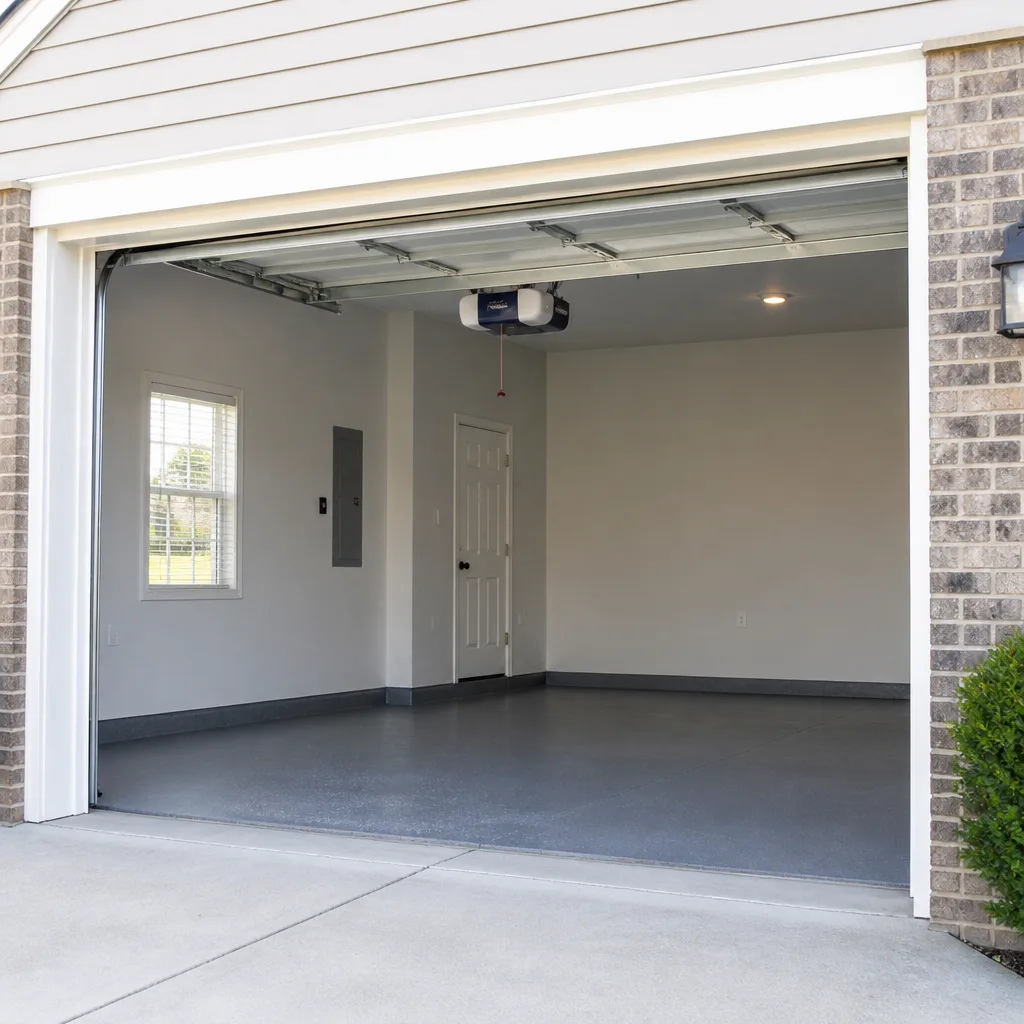 Chamberlain openers
Full 25-point door and opener safety check with every visit - springs, cables, rollers, tracks, and your LiftMaster or Chamberlain opener included
You get a price before we start. It does not change when the pro arrives.
Get your free estimateSeasonal Garage Door Care for West Side: Year-Round Homeowner’s Guide
The worst time to discover your garage door bottom seal has cracked is January at 11 p.m., with a hard freeze coming and the door stuck open. And it’s entirely preventable with one task you can do in October. Garage doors don’t fail randomly. In West Side, they fail on a schedule, and that schedule is set by four distinct seasonal windows: the humid summer that swells wood and bakes panels, the fall that should be your prep season but rarely is, the hard freezes that weld doors to the floor, and the spring thaw that exposes everything winter quietly broke. Most homeowners call us during the failure. The ones who don’t call at all are the ones who acted in the shoulder seasons, before the weather turned. This guide walks you through all four windows, month by month, for the climate West Side actually has.
Quick Answer
Seasonal garage door care in West Side means focusing your effort in the shoulder seasons, not during the extremes: a fall prep routine before the first freeze, a spring inspection after the last thaw, and light summer maintenance for UV and humidity. The single highest-value task is sealing and lubricating in October, which prevents most winter calls about doors frozen to the floor and openers straining in the cold.
Styles & brands we work with
- Raised-panel steel
- Carriage house
- Modern flush
- Full-view glass
- LiftMaster openers
- Chamberlain openers
Table of Contents
- Why West Side’s Climate Breaks Garage Doors on a Schedule
- Fall Prep: Five Tasks Before the First Freeze
- Winter in West Side: Frozen Doors and Cold-Strained Openers
- Spring Inspection: Assessing Winter Damage
- Summer: UV, Humidity, and Opener Heat
- Month-by-Month Calendar for West Side
- Opener Care Across the Seasons
- When to Call a Professional
Why West Side’s Climate Breaks Garage Doors on a Schedule
West Side runs through four genuinely different stress environments each year, and each one attacks a different part of your door system. That’s the core idea here, and it’s why a national-average maintenance checklist doesn’t quite fit. A door in a mild climate mostly worries about age. A door in West Side worries about the calendar.
Summer brings sustained humidity and strong sun. Wood panels take on moisture and swell, then dry and shrink as the season turns. Steel and aluminum panels expand under UV and heat, and the paint film on older doors can chalk and fade. The opener motor runs hotter in an unconditioned garage.
Fall is the pivot. Temperatures drop fast enough that any moisture trapped in seals, tracks, or the gap under the door becomes ice. This is the season where small problems either get fixed cheaply or become winter emergency calls.
Winter delivers hard freezes. The door-to-floor contact point freezes, lubricant thickens, and the opener works against parts that have stiffened overnight. Springs, already under constant tension, deal with metal that contracts in the cold.
Spring thaw is the reckoning. Water from melting snow and ice finds every crack, and the freeze-thaw cycle widens them. Cables that stretched over winter show their wear. Weatherstripping that tore free in January is now obvious.
Understanding this rhythm changes how you spend your time. Instead of reacting to failures, you’re working two seasons ahead of them. That’s what we help West Side homeowners do, and it’s the thinking behind every section below.
Fall Prep: Five Tasks Before the First Freeze
The tasks you complete in October and early November prevent the large majority of winter service calls we get in West Side. The first hard freeze is the deadline, and it usually arrives without much warning. Get these five done before it does.
- Inspect and lubricate the door’s moving metal parts. Rollers, hinges, and the torsion or extension springs benefit from a proper garage door lubricant, not WD-40. A dry or gummy spring is a spring that binds in cold weather. This is also the moment to look closely at springs for gaps, rust, or a stretched look.
- Check the bottom seal and the gap under the door. A cracked or flattened bottom seal lets in cold air, water, and eventually mice. Water that gets under the door and freezes is what welds the door to the floor. If the seal is stiff or torn, replace it before the cold sets it.
- Test the door’s balance by hand. Disconnect the opener (pull the release cord), lift the door halfway, and let go. A balanced door holds its position. A door that drifts down is fighting its springs, and that strain gets worse in cold weather.
- Clear and align the tracks. Wipe the tracks clean and check for dents or bends. Cold makes metal less forgiving, and a slightly misaligned track that works fine in mild weather can bind when the door shrinks in the cold.
- Test the safety reverse and the opener’s force settings. Place a roll of paper towels under the closing door and confirm it reverses on contact. Cold weather stiffens the door, and an opener set too close to its force limit may stall or reverse needlessly in January.
If any of these steps turns up something you’re not comfortable with, especially anything involving springs or cables, stop there. Those parts are under high tension and are genuinely dangerous to handle. That’s work for a trained technician. Our garage door repair service handles spring and cable work as a core specialty, and we’d rather look at it in October than get a call about it in a February freeze.
Winter in West Side: Frozen Doors and Cold-Strained Openers
Winter in West Side produces two failure patterns more than any other: the door freezing to the floor, and the opener laboring against cold-stiffened parts. Both are predictable, and both have a right and a wrong response.
The door frozen to the floor
This happens when meltwater runs under the bottom seal and refreezes overnight, bonding the seal to the concrete. The instinct is to hit the opener and force it. Don’t. Forcing a frozen door can strip the opener’s gears, snap a cable, or tear the bottom seal right off the door. If the door won’t lift, stop and address the ice first. A garage door that’s iced shut is not a door to force.
Opener strain in the cold
Cold thickens lubricant and stiffens the door. An opener that’s set near its force limit in summer may struggle or reverse in January. If your opener reverses or stops partway in cold weather, that’s a sign the door needs service, not that the opener is broken. A properly balanced, lubricated door puts far less load on the motor. If your LiftMaster or Chamberlain opener is behaving differently in the cold, that’s exactly the kind of diagnostic our garage door opener repair covers, and it’s usually a door-balance issue showing up through the opener.
What not to do
- Don’t force a frozen door with the opener.
- Don’t pour hot water on the seal or tracks; it refreezes into a worse bond.
- Don’t chip ice off the seal with a metal tool; you’ll tear it.
- Don’t ignore an opener that reverses in the cold; it’s telling you the door is fighting back.
If your door won’t close on a cold night and it can’t wait until the next day, that’s what our emergency service is for. We answer 24/7. A call outside dispatch hours is booked into the next opening, Sunday through Friday, 7am to 7pm. When the door won’t wait, that’s a call worth making.
Spring Inspection: Assessing Winter Damage
Spring is when West Side homeowners find out what winter actually did. The thaw exposes wear that built up quietly over the cold months, and catching it now keeps it from compounding into summer. This inspection is as much about careful looking as it is about touching anything.
Work through the door system in order, from the parts you can safely see to the ones you shouldn’t handle:
- Springs. Look for a visible gap in a torsion spring, a stretched or sagging extension spring, or rust at the coils. A broken spring usually announces itself (the door feels extremely heavy or won’t lift), but a weakened one just makes the door harder to lift by hand. Never try to adjust or replace a spring yourself; the tension stored in it can cause serious injury.
- Cables. Check for fraying, kinks, or slack on either side of the door. Cables under load are dangerous too, so this is a visual check only.
- Weatherstripping. The bottom seal and the side and top seals take the worst of winter. Look for tears, hardening, or sections pulled loose by ice.
- Panels and paint. Thaw reveals cracks, dings from winter debris, and paint failure that will only get worse under summer sun.
- Rollers and hinges. After a winter of cold-stiffened grease, rollers may be flat-spotted or noisy. This is a good time to re-lubricate and note any that need replacing.
Doing this in spring means the fixes that matter get scheduled in a mild season, not during a July heat wave or a January freeze. Our Garage Door Repair West Side team can assess the whole system at once, springs, cables, tracks, and weatherstripping together, so nothing gets missed.
Summer: UV, Humidity, and Opener Heat
West Side summers are hard on garage doors in ways that don’t show up until later. UV and humidity work slowly, and the damage they do surfaces in fall and winter. Summer maintenance is about slowing that clock.
UV damage to panels
Constant sun on a south- or west-facing door fades and chalks paint, and on older steel doors it can lead to surface rust where the finish has given out. A coat of exterior-grade paint or a touch-up on chalking areas protects the panel underneath. Wood doors need particular attention: UV breaks down the finish, and once moisture gets into bare wood, swelling follows. Clopay and Amarr doors hold up well when their finish is maintained, but no finish lasts forever in direct summer sun.
Humidity and wood doors
Summer humidity swells wood panels and can make a tight-fitting door bind in its tracks. If your wood door sticks in July but worked fine in April, humidity is usually the cause. Keeping the finish intact is the main defense; a swollen door is also a sign to check the tracks and the balance.
Opener heat management
An unconditioned garage gets hot in summer, and the opener motor runs hotter. Keep the area around the opener clear of stored items so it can shed heat, and listen for changes in how it sounds. A LiftMaster or Chamberlain opener that’s cycling oddly in the heat is worth a look; the same goes for a legacy Craftsman or Genie unit that’s been quiet for years. Summer is also the season to check that the safety reverse still works, since heat can affect the sensitivity of older systems.
Month-by-Month Calendar for West Side
Here’s the calendar tailored to West Side’s actual climate, not a national average. Think of it as a light monthly habit with heavier work in the shoulder seasons.
- March: Spring inspection. Look at springs, cables, seals, and panels after the thaw. Book any repairs now, before the busy season.
- April: Re-lubricate rollers, hinges, and springs. Check door balance by hand. Address paint and panel damage found in March.
- May: Test the safety reverse and opener force settings. Clear the area around the opener for summer heat.
- June: UV check on south- and west-facing doors. Touch up chalking paint. Watch wood doors for swelling as humidity climbs.
- July: Listen to the opener in the heat. Note any new noise, sticking, or reversing. Check the bottom seal for summer wear.
- August: Mid-season lubrication. Confirm the door still balances by hand. This is a good time to schedule any deferred repair before fall.
- September: Fall prep begins. The five fall tasks above come due now, ahead of the first freeze.
- October: Finish fall prep: seal, lubricate, balance, clear tracks, test safety reverse. This is the month that prevents winter calls.
- November: Final pre-freeze check. Confirm the bottom seal is sound and the door closes fully against the floor.
- December through February: Watch for frozen doors and cold-strained openers. Don’t force a frozen door. Keep the seal clear of ice buildup.
The point of a calendar like this is that the heavy lifting happens in the shoulder months. When West Side’s weather is at its worst, your door is already prepared.
Opener Care Across the Seasons
Your opener is only as good as the door it’s lifting, which is why opener problems so often trace back to a seasonal door issue. A well-balanced, lubricated door is easy on the motor in every season. A door that binds in the cold or swells in the humidity makes the opener work harder, and that’s when you notice reversing, stalling, or strange noises.
We work on the openers West Side homes actually have: LiftMaster and Chamberlain (including the myQ smart-home ecosystem) for the connected systems, and Craftsman and Genie for the many legacy units still going strong. The failure modes differ. Smart openers can throw connectivity or sensor faults, while older mechanical units wear at the gears and limit switches. Seasonal care helps both: keep the safety sensors aligned and clean, keep the area around the opener clear of heat, and address door balance before it turns into a motor problem.
If your opener keeps reversing in the cold or the door feels heavier than it should, get the door checked before the opener. That approach saves motors. It’s also why we handle the whole door system in one place; a technician who knows your specific brand can tell the difference between an opener fault and a door that needs service. For a full new door and opener together, our garage door installation covers the whole system, from panels to springs to the operator.
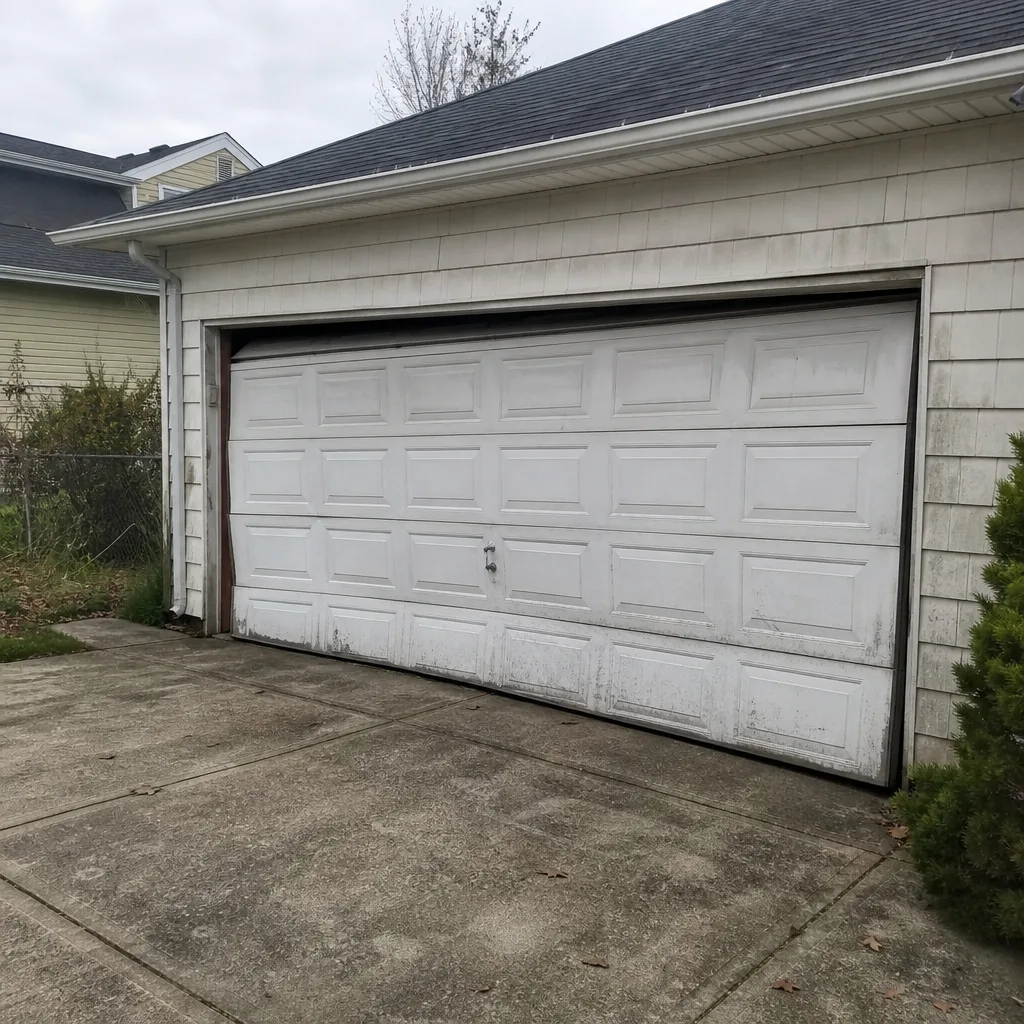
See the difference
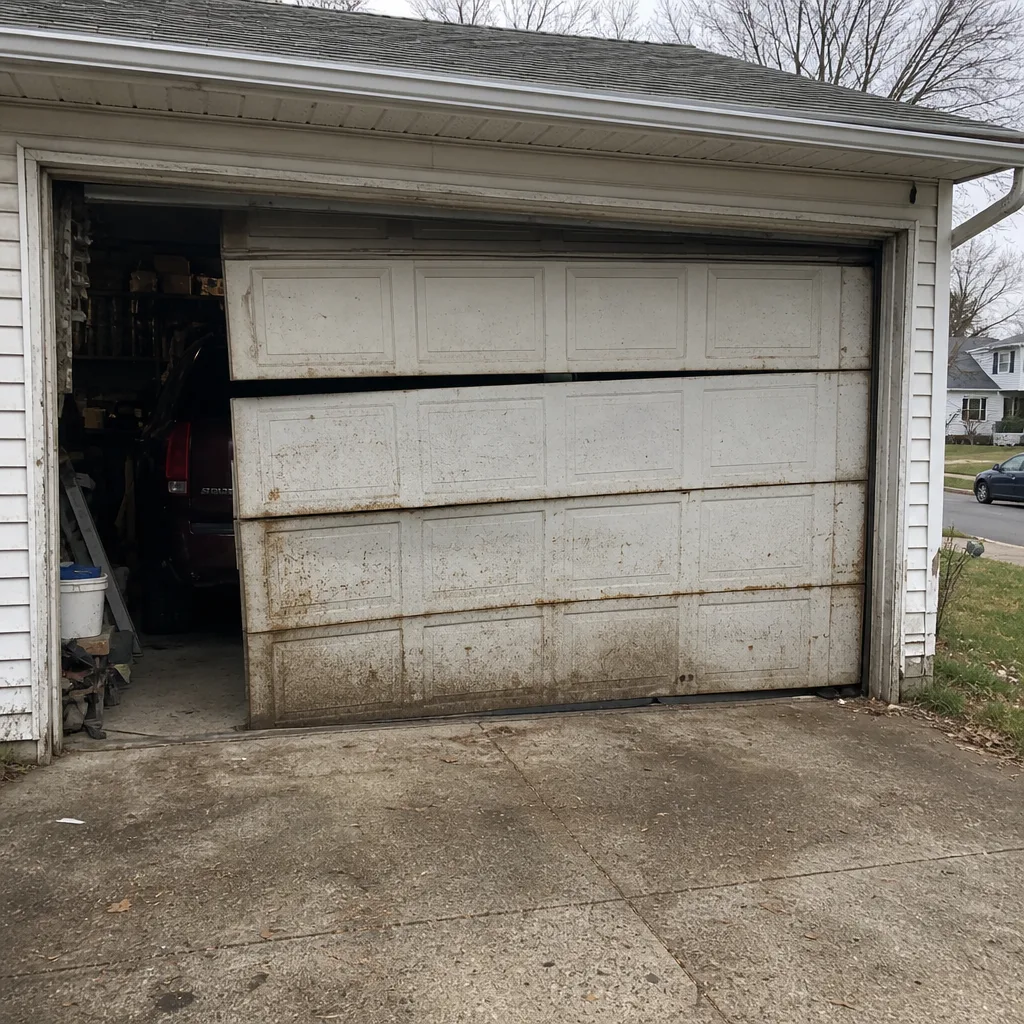 Before
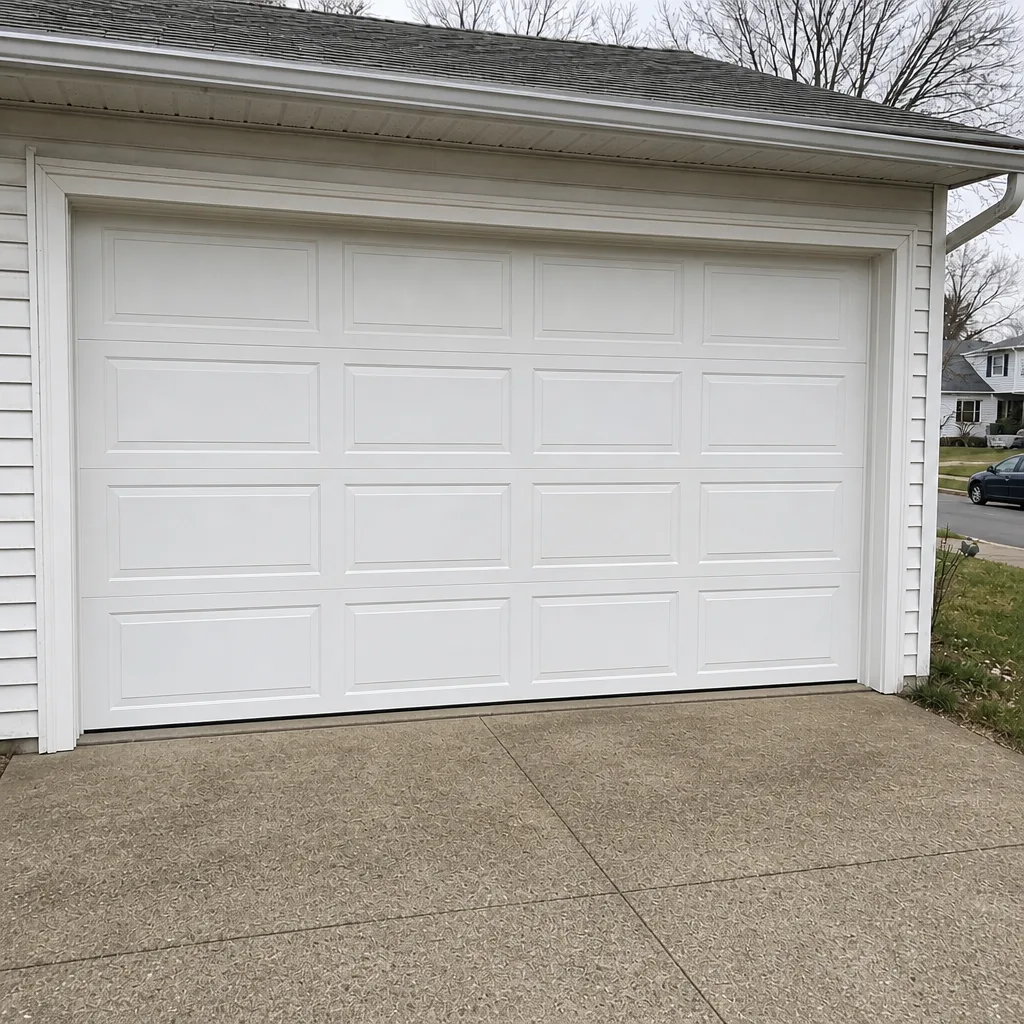 After
 Before
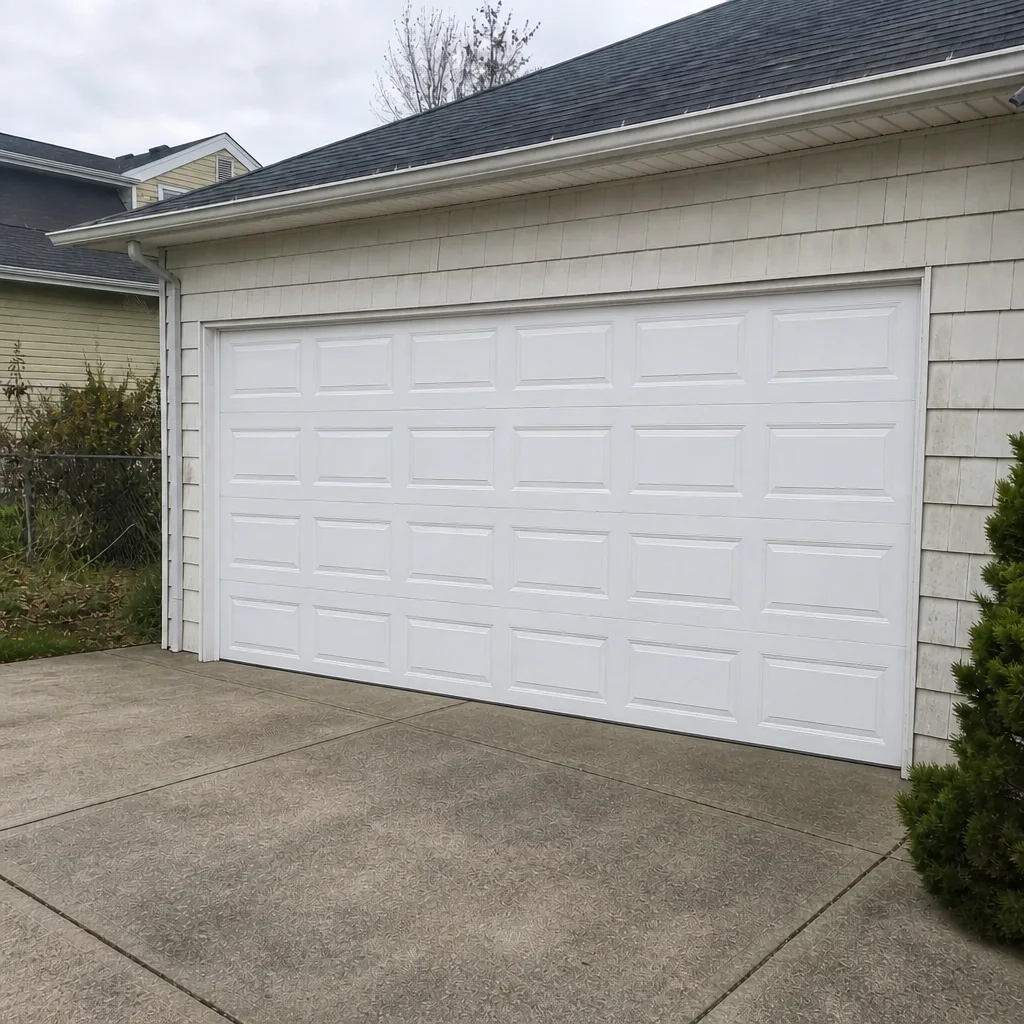 After
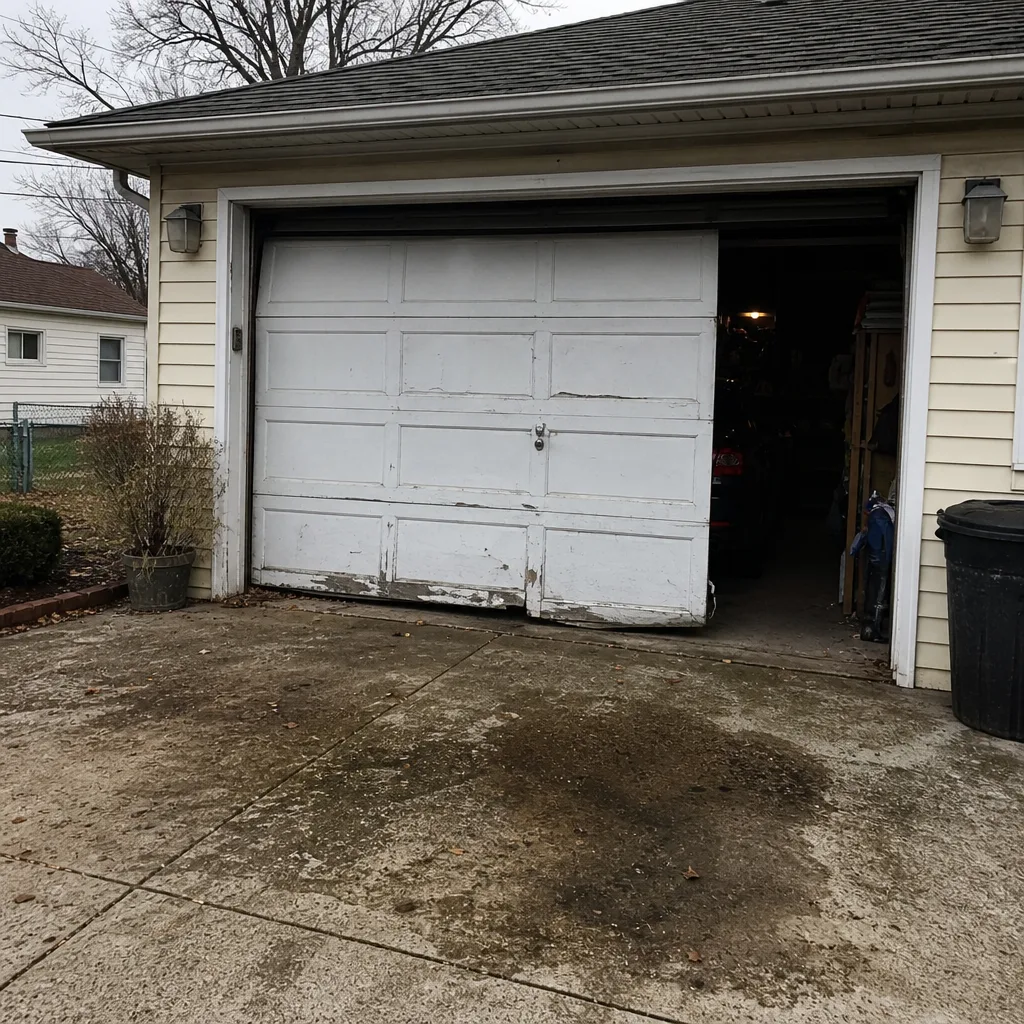 Before
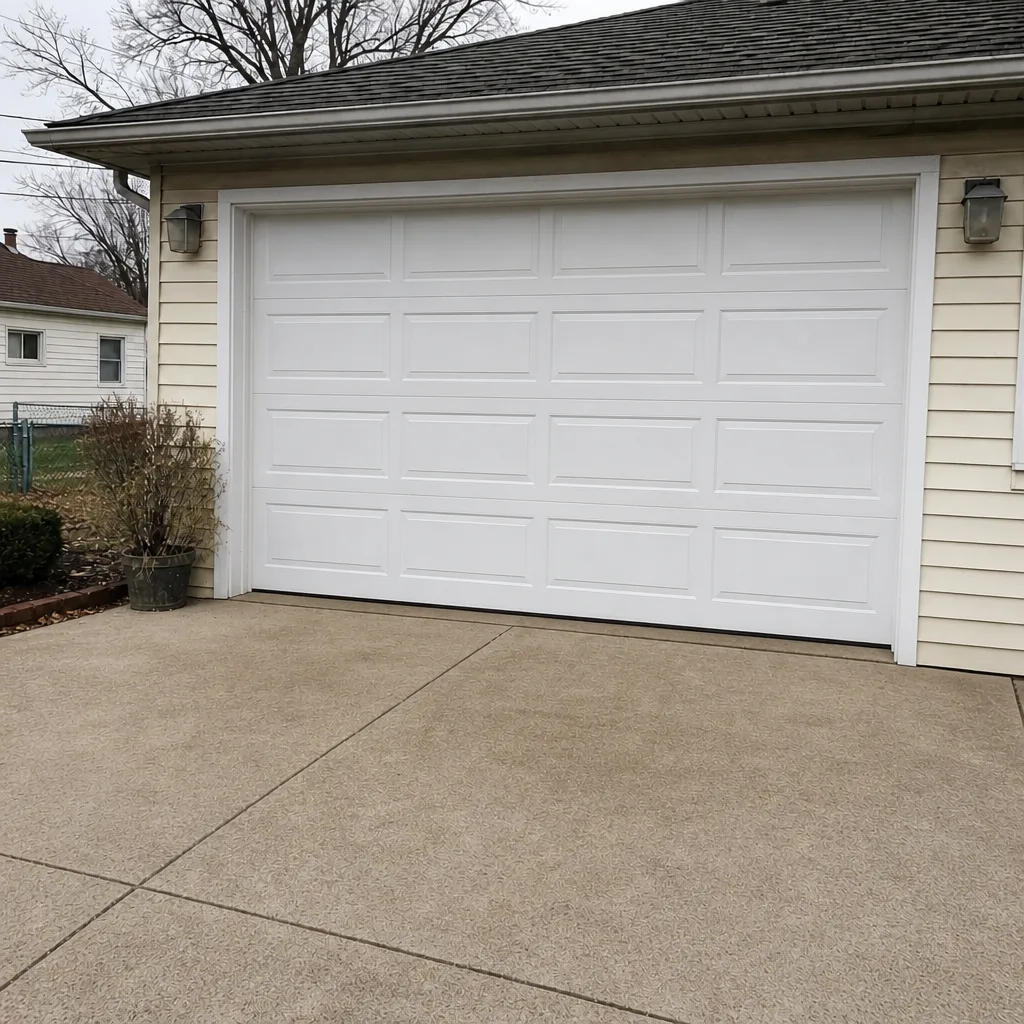 After
Common Mistakes to Avoid
- Waiting for a failure to think about the door. In West Side, by the time the door fails, you’re in the season you can’t easily fix it. Work in the shoulder months.
- Forcing a frozen door with the opener. This strips gears and can snap a cable. Address the ice, not the door.
- Using the wrong lubricant. WD-40 dries out and attracts grit. Use a proper garage door lubricant on springs, rollers, and hinges.
- Ignoring a door that’s hard to lift by hand. In West Side humidity and cold, a binding door strains the opener all year. A balance check is quick and tells you a lot.
- Skipping the spring inspection because the door still works. A weakened spring still lifts the door, but it’s a winter failure waiting to happen. Springs are dangerous to handle; have them inspected, not adjusted by hand.
- Letting a torn bottom seal go into the freeze. That seal is what keeps meltwater from welding your door to the floor. Replace it before the cold, not after.
- Assuming a national checklist fits. West Side’s four-season swing needs seasonal timing, not a generic annual tune-up.
When to Call a Professional
Some tasks in this guide are homeowner-friendly: lubricating, checking the seal, testing the safety reverse, clearing the tracks, and looking closely at springs and cables. Others are not. Anything involving springs, cables, or the torsion system under tension should always go to a trained technician; these parts can cause serious injury if handled wrong. Call a professional if the door is hard to lift by hand, if you see a gap or rust in a spring, if a cable is frayed or slack, if the opener reverses or stalls in the cold, if the door is frozen shut and won’t free up, or if a panel or track is damaged. When the door won’t wait, garage door repair in West Side doesn’t have to. We answer 24/7, and fast dispatch runs from 7am to 7pm, Sunday through Friday. The local pro is licensed and insured as their state requires, and our estimates are free. Call (855) 963-4043 for a free estimate.
Frequently Asked Questions
West Side doors need the heaviest work in the shoulder seasons: a fall prep routine before the first freeze and a spring inspection after the thaw, with light lubrication and UV and humidity checks through summer. The October seal-and-lubricate tasks prevent most winter calls.
No. Forcing a frozen door with the opener can strip gears, snap a cable, or tear the bottom seal. Free the ice first, and if it won’t come loose, call us. We answer 24/7, and a call outside dispatch hours is booked into the next opening, Sunday through Friday, 7am to 7pm.
Cold thickens lubricant and stiffens the door, so an opener set near its force limit struggles or reverses. That usually signals a door-balance or lubrication issue, not a failed opener. Get the door checked first, then the opener.
Look for a visible gap in a torsion spring, a stretched extension spring, or a door that’s suddenly hard to lift by hand. A weakened spring still works, but it’s a failure waiting to happen. Don’t adjust or replace springs yourself; have them inspected by a technician.
Touch up chalking paint, keep an exterior-grade finish on steel and wood panels, and watch south- and west-facing doors most closely. A maintained finish on a Clopay or Amarr door protects the panel underneath from sun and moisture.
Acting in the shoulder seasons prevents the large majority of winter service calls in West Side. Frozen doors, cold-strained openers, and spring failures mostly trace back to prep skipped in October. Call (855) 963-4043 for an exact quote; estimates are free.
The Bottom Line
Garage doors in West Side fail on a seasonal schedule: the freeze that welds a door to the floor, the thaw that reveals a cracked seal, the summer humidity that swells a wood door, the UV that fades a panel. The homeowners who avoid emergency calls act in the shoulder seasons, not during the extremes. Fall prep and a spring inspection do most of the work, with light monthly care in between. When something needs a technician, especially anything involving springs or cables, that’s where we come in. Our technicians have up to 8 years of experience with the brands West Side homes actually have.
Call (855) 963-4043 for a free estimate. We answer 24/7, with fast dispatch from 7am to 7pm, Sunday through Friday. Your written estimate sets the final price before any work starts.
Written by the team at Garage Door Repair West Side.