
Last updated November 21, 2026
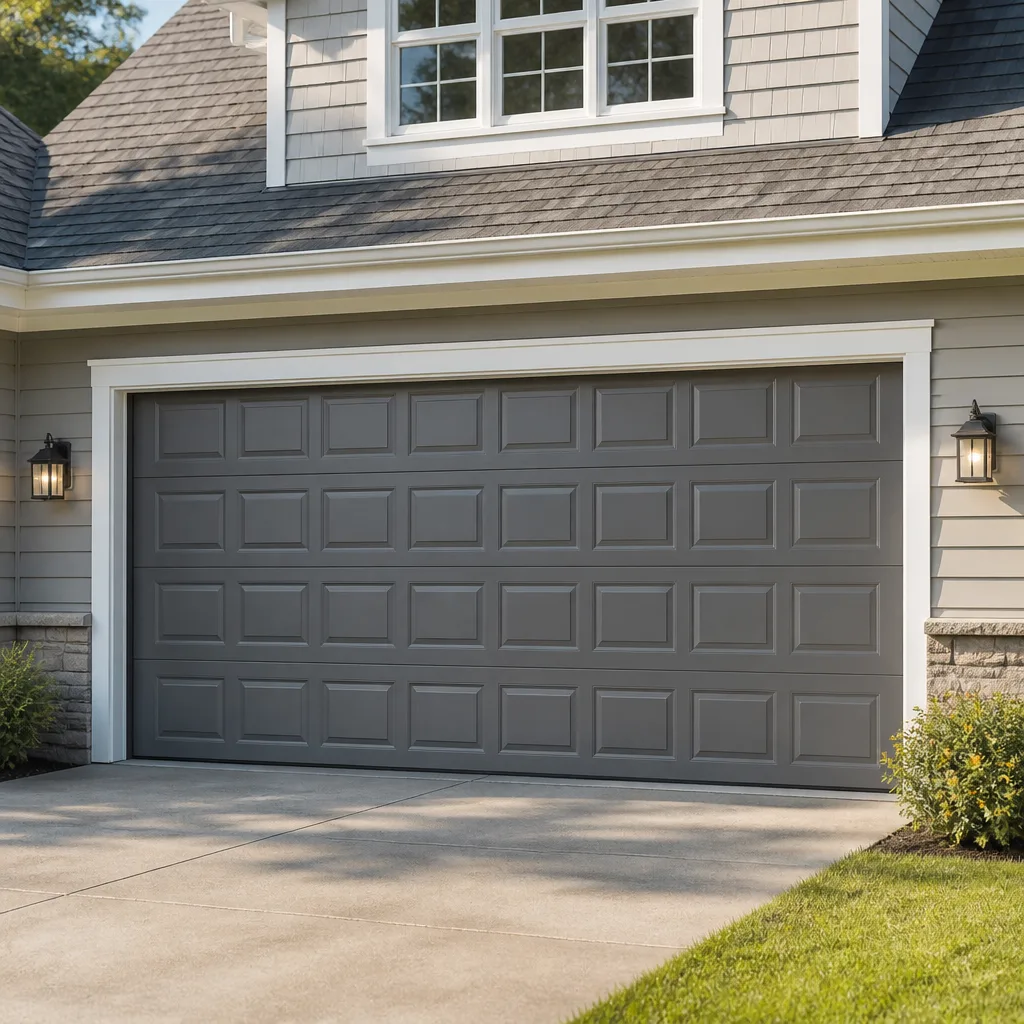 Raised-panel steel
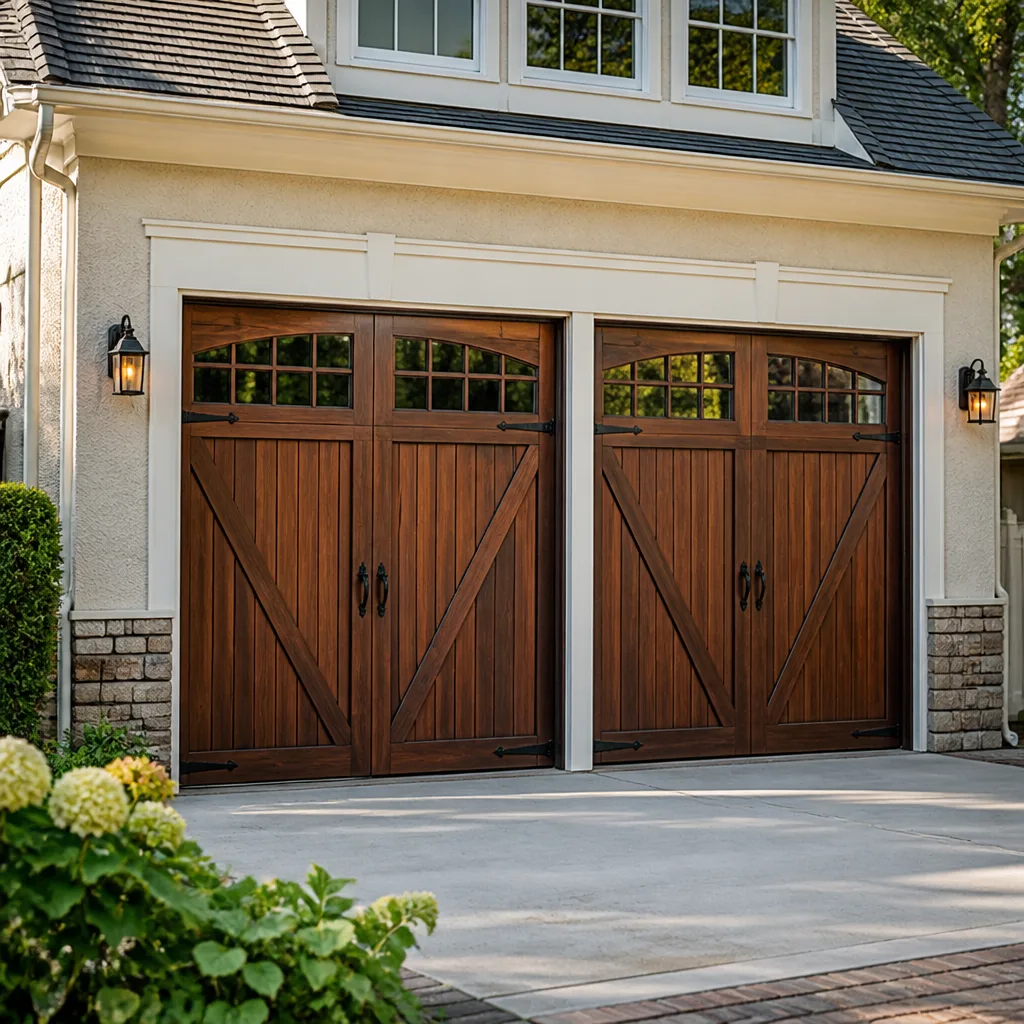 Carriage house
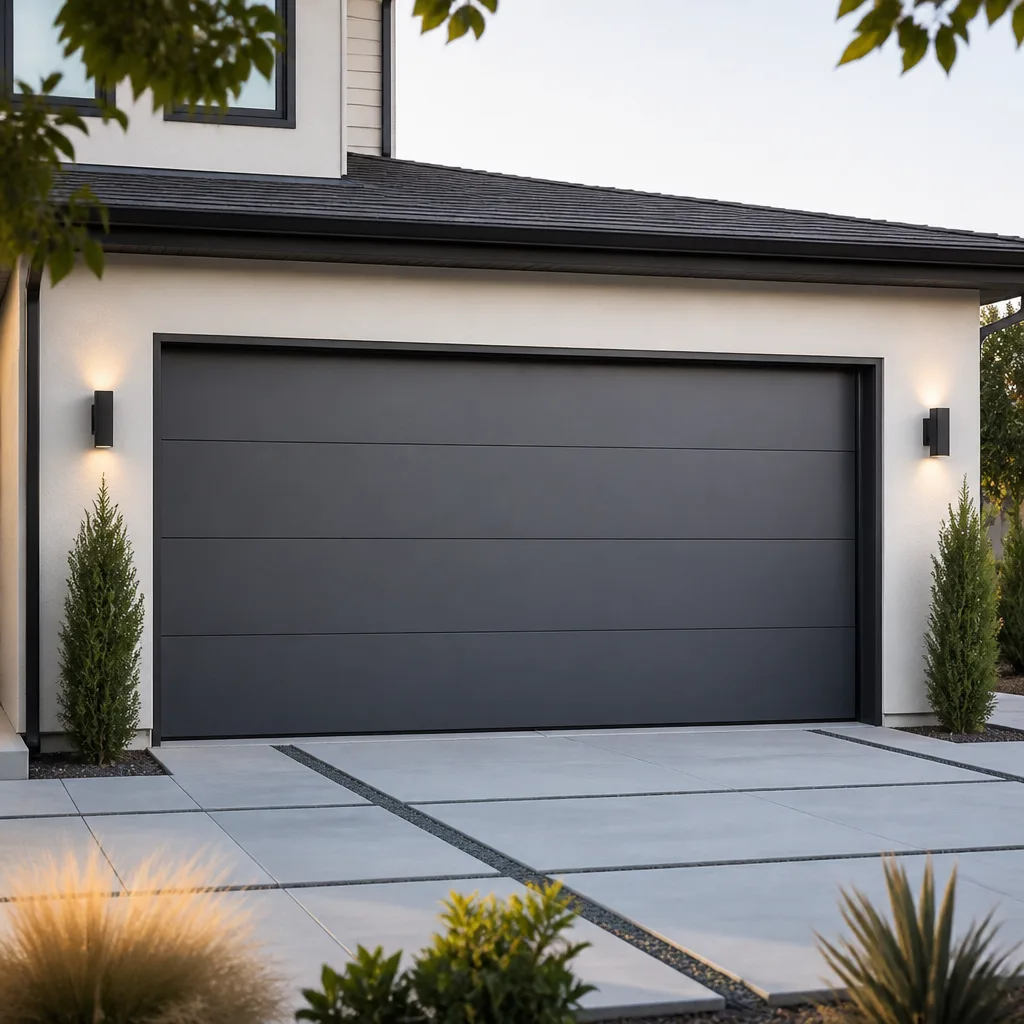 Modern flush
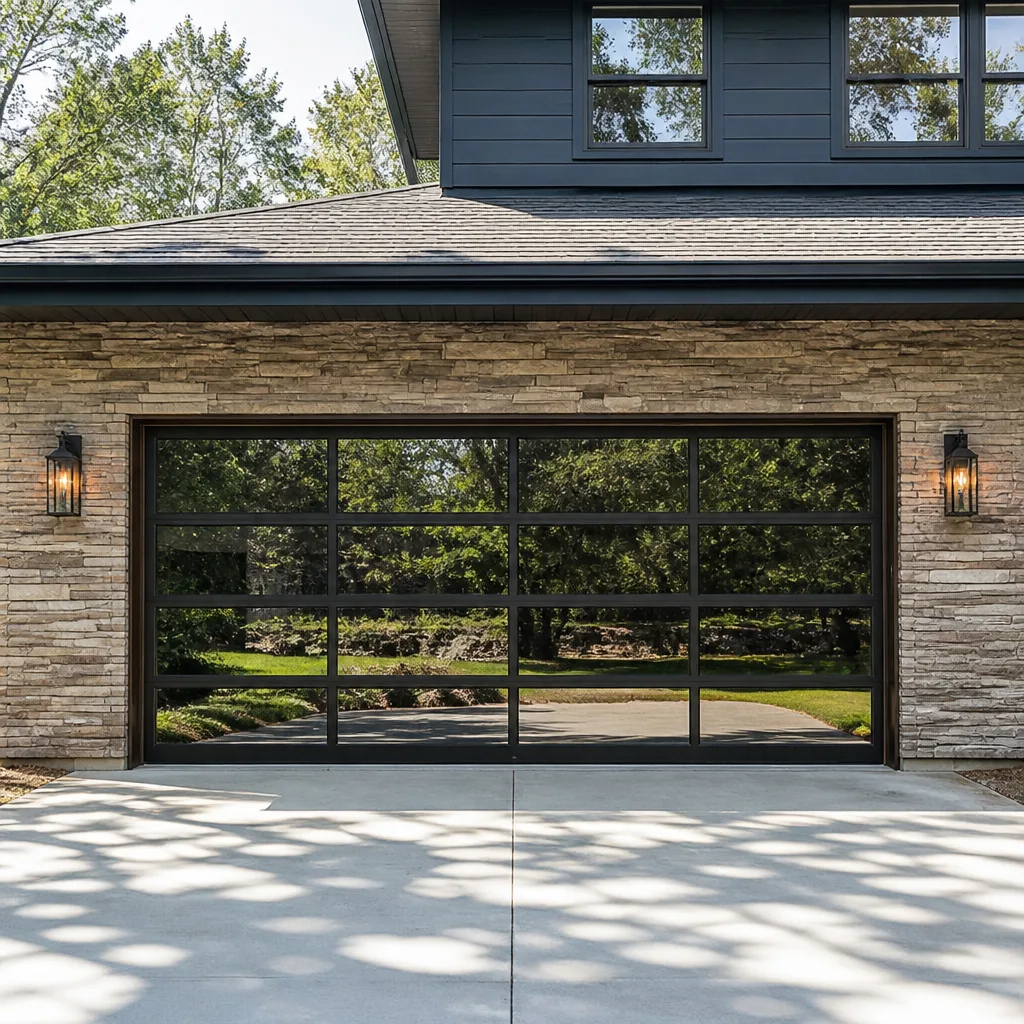 Full-view glass
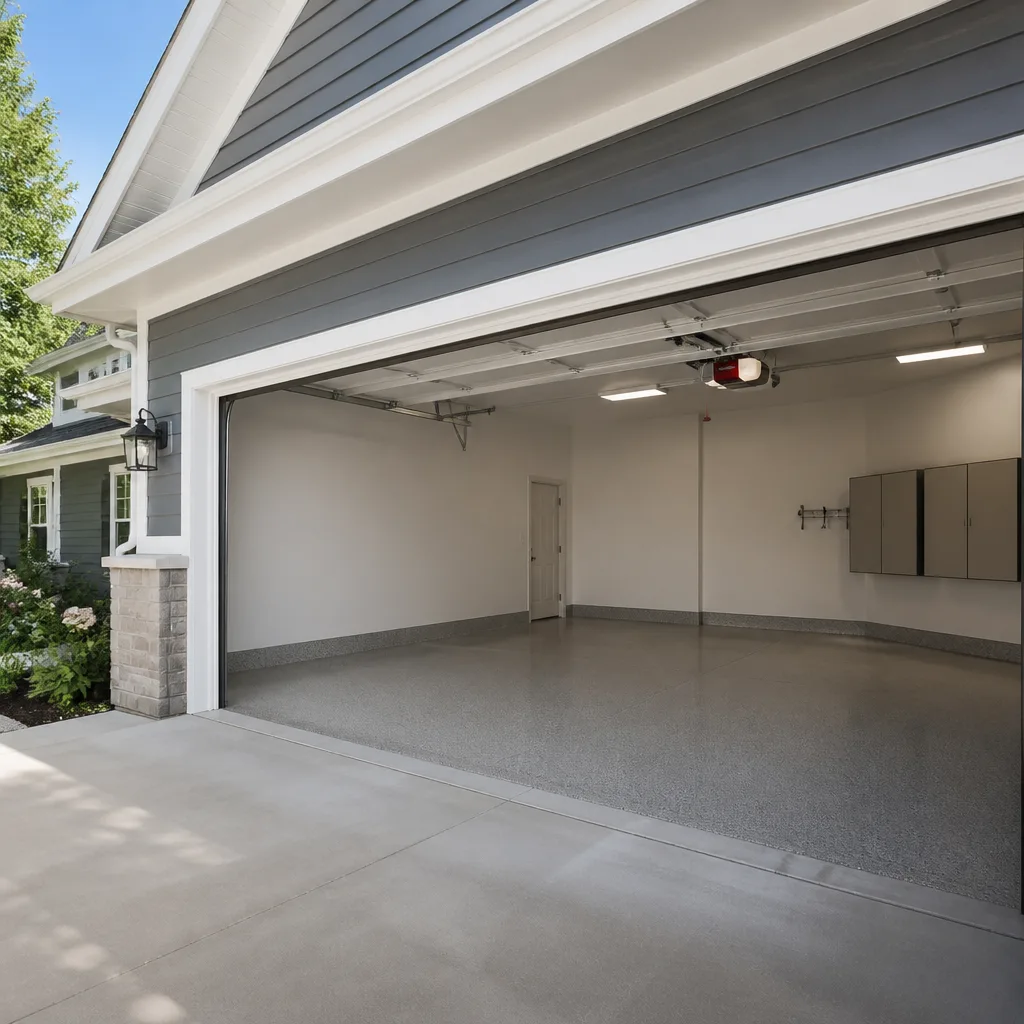 LiftMaster openers
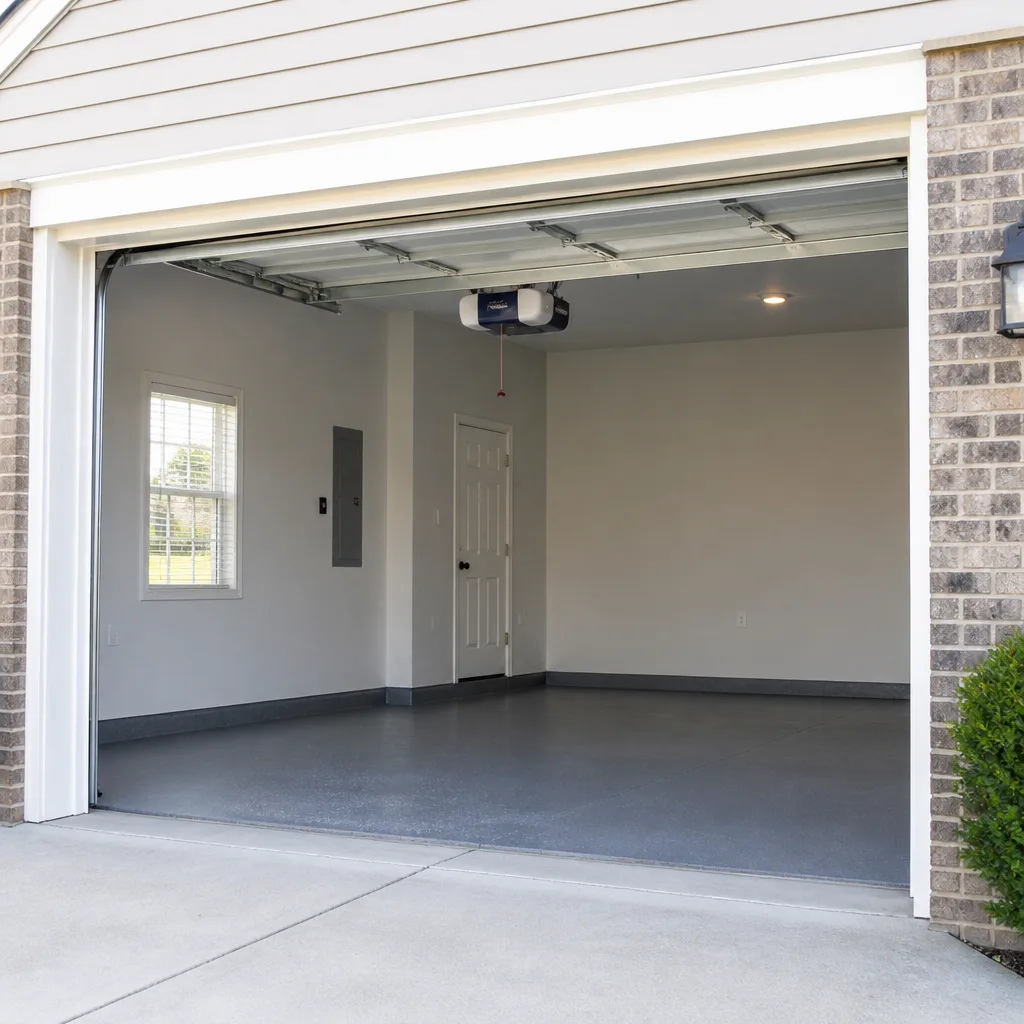 Chamberlain openers
Full 25-point door and opener safety check with every visit - springs, cables, rollers, tracks, and your LiftMaster or Chamberlain opener included
You get a price before we start. It does not change when the pro arrives.
Get your free estimateDIY vs Professional Garage Door: The West Side Homeowner’s Decision Guide
Garage door springs store enough tension to cause serious injury. That’s not a scare tactic, it’s physics. But here’s the part most guides get wrong: that danger doesn’t extend to every task on your door. Replacing weatherstripping is not the same risk as winding a torsion spring, and treating them as equally dangerous wastes your money. We’re a West Side garage door specialist, and we’ve watched homeowners waste hundreds on jobs they could have done in an hour – and risk their hands on jobs they never should have touched. This guide draws a clear line: what’s safe to DIY, what’s possible with real research, and what stays professional-only.
Quick Answer
Most garage door maintenance – lubrication, weatherstripping, sensor alignment, minor track adjustment – is safe and sensible to do yourself. But torsion and extension spring replacement, cable work, and anything involving the counterbalance system are professional-only, because the stored energy can cause severe injury when released incorrectly. For everything in between, the deciding factor isn’t your skill level – it’s whether a mistake can hurt you. If it can, call a pro.
Styles & brands we work with
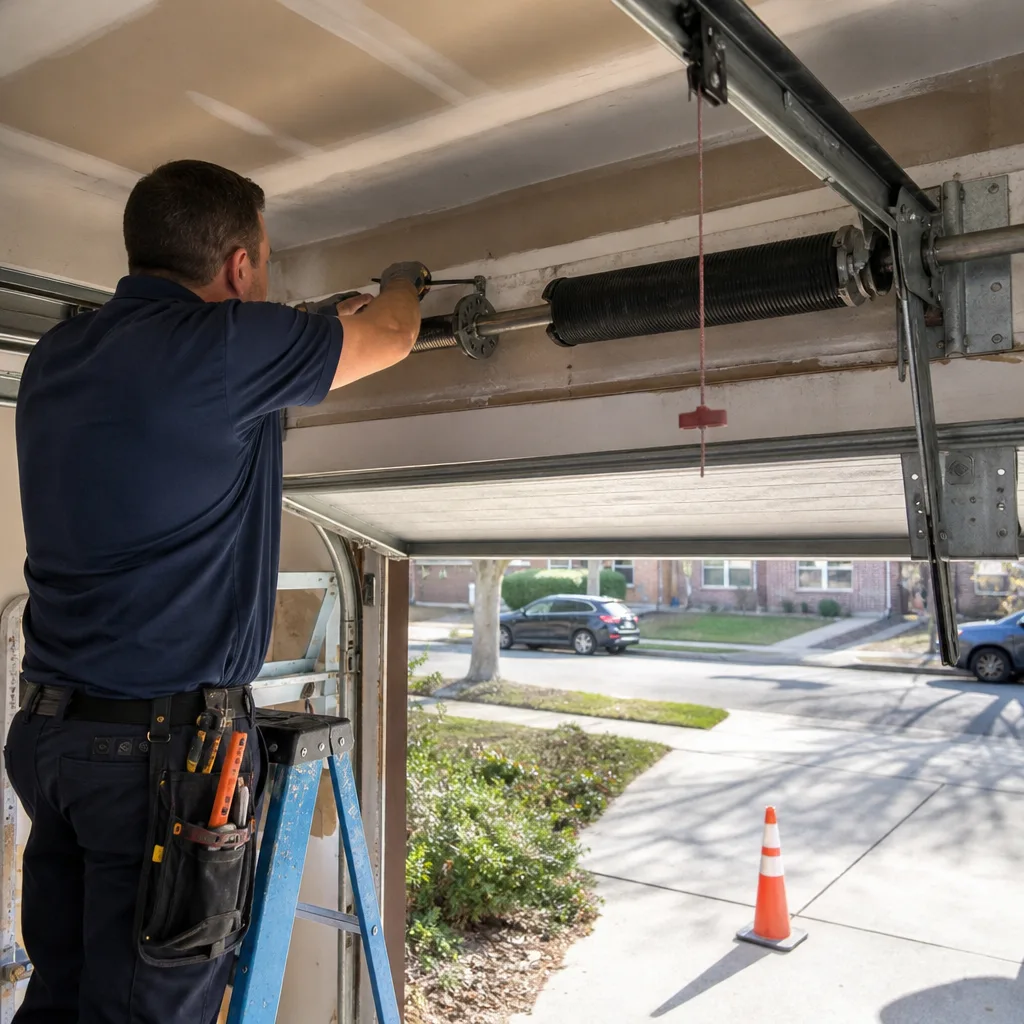
- Raised-panel steel
- Carriage house
- Modern flush
- Full-view glass
- LiftMaster openers
- Chamberlain openers
Table of Contents
- The Task-by-Task Breakdown: What’s Safe, What Isn’t
- DIY-Safe Tasks Worth Doing Yourself
- DIY-Possible With Real Research
- Professional-Only: Where the Line Actually Sits
- The Real Cost of DIY vs. a Pro Quote
- Why Spring Replacement Is a Hard Line
- The DIY Tasks Homeowners Underpay For
- How to Tell if a Previous DIY Repair Made Things Worse
The Task-by-Task Breakdown: What’s Safe, What Isn’t
Here’s the honest answer most garage door companies avoid giving, because it costs them easy service calls: a meaningful chunk of garage door work is genuinely DIY-friendly. The question isn’t whether you’re handy – it’s whether a mistake on this specific task can injure you or damage the door beyond a cheap fix. West Side homeowners ask us this constantly, usually after watching a video that made spring work look straightforward.
We sort tasks into three tiers. The rule behind the tiers is simple: if the task involves the door’s stored energy (springs, cables, the counterbalance), it’s professional-only. If it involves the door’s weather seal, sensors, or moving parts without stored tension, it’s likely yours to handle.
How the three tiers break down
- DIY-safe: Lubrication, weatherstripping replacement, photo-eye sensor alignment, wiping down tracks, tightening exposed bolts. These carry no injury risk and no stored-energy release. A mistake might leave the door noisy or drafty – nothing worse.
- DIY-possible with real research: Replacing a worn bottom seal, adjusting a bent track slightly, resetting a misaligned opener travel limit, swapping a remote battery or pairing a new remote. These require patience and the right tool, but a wrong move causes a stuck door, not a hurt hand.
- Professional-only: Torsion spring replacement, extension spring replacement, cable replacement, bearing plate work, drum replacement, and full panel or door installation. These involve high-tension components. A slip can cause serious injury, and even a “successful” DIY install can leave a door dangerously out of balance.
We work on torsion and extension spring systems specifically, and the tasks in that third tier are the ones where we routinely find the worst outcomes from DIY attempts. If your door is on Laurel Avenue or anywhere else on the West Side and something in that third tier has failed, that’s a garage door repair call, not a weekend project.
DIY-Safe Tasks Worth Doing Yourself
These are the four jobs we’d genuinely rather you did yourself – they’re quick, cheap, and they’re the most common reason a door starts acting up. West Side homes deal with a wide swing in temperature through the year, and that cycling works weatherstripping and door hardware harder than mild climates do. A little upkeep here goes a long way.
- Lubrication. Once or twice a year, apply a garage-door-specific lubricant (not WD-40) to the rollers, hinges, bearings, and spring coils. This quiets squeaks and slows wear. It takes ten minutes and costs very little.
- Weatherstripping replacement. The bottom seal and side seals harden and crack with age and temperature swings. A fresh seal keeps out drafts, water, and pests, and it’s a simple peel-and-press job on most doors.
- Photo-eye sensor alignment. If your door reverses before closing, a misaligned safety sensor is the usual culprit. Straighten it so the sensor lens faces its partner, and clear any obstruction. This fixes most “won’t close” complaints instantly.
- Tightening exposed bolts and hinges. Vibration loosens hardware over time. A wrench on the bolts you can safely reach (not on spring hardware) tightens the door’s feel and reduces rattle.
These four tasks are the ones a homeowner underpaying for DIY often gets right. Every other recurring issue on a door – grinding, jerking, a door that hangs crooked, a door that won’t stay up – points toward something in the professional-only tier, and that’s the point where a self-repair stops being a savings and starts being a gamble.
DIY-Possible With Real Research
There’s a middle tier that isn’t dangerous but isn’t trivial either. These tasks reward a homeowner who reads the opener manual and takes their time. Our technicians have up to 8 years of experience with systems from Chamberlain, Genie, Clopay, and Amarr, and the questions we get on this tier usually come from someone who started a job, hit a snag, and wanted to know whether to keep going.
Opener travel-limit adjustment
If your door doesn’t fully close or reverses on its own, the opener’s travel limits may need a small reset. This is done with the adjustment screws or a programming sequence in the manual. It’s safe – no stored energy in the door’s spring is involved – but it’s finicky, and a wrong setting can make the door stop halfway or fail to reverse on obstruction, which is a genuine safety function. Take it slowly, and if the door still misbehaves, stop.
Remote pairing and battery replacement
Pairing a new remote or replacing a dead remote battery is straightforward on LiftMaster, Chamberlain, and Genie openers. The manual walks you through it. No injury risk; worst case, you re-read the steps.
Minor track straightening
A lightly dented or slightly bent vertical track can sometimes be coaxed back with a rubber mallet and careful pressure. But anything more than a mild bend, and anything on the horizontal track that carries the door’s weight, gets left alone. A wrongly straightened track can bind the door and stress the whole system. We check track alignment as part of a routine repair visit, and a small adjustment there is far cheaper than a door that jumps its track.
Bottom seal replacement
Swapping a worn bottom seal is usually a matter of sliding out the old one and feeding in a new one. It’s a real fix and a real savings to do yourself. The only caution is choosing the right profile for your door.
For the opener-specific jobs above, our garage door opener repair team sees a lot of doors where the owner got partway through a limit adjustment and then stalled. That’s fine – that’s what the second tier is for.
Professional-Only: Where the Line Actually Sits
This is the tier that matters most, and it’s where we spend the most time explaining why. The counterbalance system – torsion springs, extension springs, cables, drums, and bearing plates – holds the full weight of your door under tension at all times. When you work on it, you’re working against stored energy. When it releases unexpectedly, the force can cause serious injury, often to hands, forearms, and the head. This isn’t a company line. It’s the reason spring failures are the most common serious garage door injury in the trade.
What sits on the professional-only line
- Torsion spring replacement. Mounted on a shaft above the door, these springs are wound to store torque. Winding and unwinding them requires the right bars, the right technique, and the knowledge that a single slip can send a bar through a wall or a hand through a window.
- Extension spring replacement. Mounted horizontally above the tracks, these carry similar stored energy. The difference in appearance between the two systems can fool a homeowner into thinking extension springs are “the easier kind.” They aren’t.
- Cable replacement. Cables run from the bottom bracket to the drums and are under tension whenever the door is down. A snapped cable can whip free and cause serious injury. Snapped cables also often mean the door is unbalanced and dangerous to raise.
- Panel and door installation. A full door install involves counterbalance setup and proper anchorage. Getting it wrong can leave the door hazardous with no obvious sign until it fails.
- Drum and bearing plate work. These are only touched during spring or cable jobs. They’re on the professional-only list because there’s no scenario where they’re pulled out on their own.
If your door’s spring has snapped, the door is hanging crooked, or a cable is visibly loose, close the garage and don’t force the door. Our Garage Door Repair West Side team handles spring and cable work, and we can work on whatever system is on your home without a vendor search. West Side homeowners don’t need a different contractor for every door problem – the same specialist should be able to handle opener diagnostics and a full-door install, and that’s the standard we hold to.
The Real Cost of DIY vs. a Pro Quote
This is where the debate usually gets rigged. DIY always looks cheaper on paper because the estimate compares a part price to a professional quote. That’s not the real comparison. When you factor in tools you’ll need to buy, the cost of a second attempt after a first one fails, and the price of correcting a damaged component, the gap narrows fast. Below we break out typical West Side ranges for common jobs. These are estimates; the written quote from a local pro is what sets the final price.
Typical repair ranges in West Side
| Job | DIY cost (parts + tools) | Typical pro estimate |
|---|---|---|
| Weatherstripping (bottom seal and side seals) | Low | Higher than parts alone, but small |
| Sensor alignment or remote replacement | Low | Small, often bundled with other work |
| Torsion spring replacement (one spring) | Springs and winding bars alone can approach a pro estimate | Typical residential range, one spring |
| Torsion spring pair (replaced together) | Roughly double the one-spring parts cost | About twice a single-spring estimate |
| Cable replacement | Cable and tools are cheap; correcting a bad job is not | Typical residential range for cable work |
| Panel replacement | Panel plus shipping, and risk of damage | Higher range, varies by door size and brand |
| Opener repair or replacement | Unit plus installation risk | Mid-range, varies by opener type |
Two things to remember on the pricing: a spring quote in that table is for ONE spring, because a matched pair usually gets replaced together, and pair pricing is about twice a single-spring estimate. And the price we quote on a job for the West Side is set before any work starts – the written estimate is what you pay. No one should surprise you at the end of the visit. For a full new door, garage door installation work is measured and scheduled rather than dispatched the same day, and a free measure plus a written price is the standard first step.
Why Spring Replacement Is a Hard Line
The reason springs are professional-only isn’t that they’re complicated – it’s that they store energy in a form the human body can’t safely brake once it releases. That’s the whole argument in one sentence. A torsion spring mounted above the door is wound to a specific number of turns that offsets the door’s weight. If you release that tension incorrectly, the energy has to go somewhere, and it goes fast.
What specifically makes it dangerous
- Stored energy. A torsion spring under normal residential tension holds enough force to throw a winding bar or snap a cable with real violence. This isn’t a matter of being careful – it’s a matter of the force being uneven to your body weight.
- Wrong tools. Winding bars made for the job have a specific fit into the winding cone. Anything improvised – a screwdriver, a rod – can slip out during winding.
- Wrong spring. Spring size and wire gauge have to match the door’s weight and height. A spring from a hardware store shelf rarely matches. A mismatched spring can leave the door unbalanced and quietly dangerous.
- Half-done jobs. Replacing one spring of a matched pair, or leaving the door raised during a swap, introduces new hazards. The safe procedure is specific and non-obvious.
If your door’s spring is broken, close the door if you can and leave the door alone until a pro handles it. Our technicians have up to 8 years of experience on high-tension spring work, and that experience isn’t just about the repair – it’s about knowing when to stop and how to handle the door safely. For a West Side garage door that won’t open or is hanging oddly after a loud snap, our team answers 24/7. Fast dispatch from 7am to 7pm.
The DIY Tasks Homeowners Underpay For
There’s a small set of jobs where DIY is genuinely worth the time and homeowners routinely skip them, or pay a pro for what would take ten minutes. These are the jobs we’d actually steer a West Side homeowner toward doing themselves. Skip these and you’ll be paying for bigger repairs sooner than you need to.
Where DIY wins on value
- Weatherstripping. Replacing hardened bottom and side seals is the highest-value DIY job on the door. It stops drafts, keeps out water and pests, and the material is inexpensive. Nothing about it involves tension.
- Sensor alignment. A door that won’t close because the photo-eye got bumped is a two-minute fix. Realigning the sensor lens and clearing the track gets the door closing again, no tools needed.
- Lubrication. A door that squeals or grinds is usually dry. A garage-door-specific lubricant on the rollers, hinges, and spring coils twice a year extends roller and hinge life and quiets the door.
- Minor track adjustments. A light tap on a slightly bent vertical track, or loosening a track bolt to shift a track a hair, is within reach for most homeowners. Anything more gets a pro, but the small adjustments are yours.
Where DIY savings evaporate
The savings vanish the moment the job involves the counterbalance or a motorized opener that has to be reprogrammed after a repair. A homeowner who buys a spring from a home store, saves a few dollars, and then has to call a pro to unwind the mangled attempt usually spends more than they would have if they’d called first. We’ve seen this on West Side doors more than once. The rule we give: if the job involves springs, cables, or the door’s full weight, don’t start. Everywhere else, take the savings.
How to Tell if a Previous DIY Repair Made Things Worse
Homeowners don’t always know a previous DIY attempt left the door in worse shape than it started. Maybe the job was done before you moved in, or maybe the “simple fix” you did last year quietly set up today’s problem. Before you call anyone, it pays to know what to look for and what to tell the technician when they arrive. Clean, honest disclosure saves diagnostic time and money.
Signs a DIY repair went sideways
- Uneven door travel. The door rises or falls crooked, or binds on one side. Usually means a spring, a cable, or a track out of balance.
- A door that doesn’t quite sit flush. A gap on one side or the other can mean a track shifted or a hinge was replaced with the wrong part.
- New noises after a fix. Grinding, banging, or popping that started after a repair suggests something was tightened wrong or a part mismatched.
- Opener that no longer reverses on obstruction. If the safety reverse function stops working after an opener adjustment, that’s a genuine safety issue. Test the door – it should reverse when it meets an obstruction.
- Mismatched springs or cables. A single spring replaced out of a pair, or a cable the wrong length, stands out immediately to a trained eye.
What to have ready for the technician
When you call, tell us what was replaced, when, and by whom – even if it was you. Show the technician the parts that were swapped and any tools still on the door. Point out any sounds or behavior that changed after the repair. That saves guesswork. Our team works with LiftMaster, Chamberlain, Genie, Clopay, Amarr, Wayne Dalton, Craftsman, and Raynor systems, so whatever brand your door or opener is, we can look at a previous repair with the right tolerances in mind.
Common Mistakes to Avoid
- Buying a generic spring. A spring off the shelf rarely matches your door’s weight or height. The size match is specific, and a mismatch leaves the door unbalanced with no obvious sign – the failure shows up later.
- Forcing a door that’s hanging crooked. If the door looks uneven or a cable is loose, stop. Forcing it risks dropping the door or snapping a cable.
- Using WD-40 as door lubricant. It attracts dirt and doesn’t hold up. A garage-door-specific lubricant is what quiets rollers and hinges.
- Adjusting a sensor without testing the door after. After clearing or realigning a photo-eye, run the door through a full open-and-close cycle. If it doesn’t reverse on a soft obstruction, the safety function isn’t working.
- Replacing one spring when both are near end-of-life. Matched springs wear together. Replacing one usually means the other fails soon after, which means paying twice.
- Tightening hardware too far. Over-tightening a hinge or bolt can strip threads or deform the bracket. Tight, not crushed.
- Skipping the disclosure conversation. Hiding a previous DIY repair slows the diagnosis. Tell the technician what happened and what’s been changed.
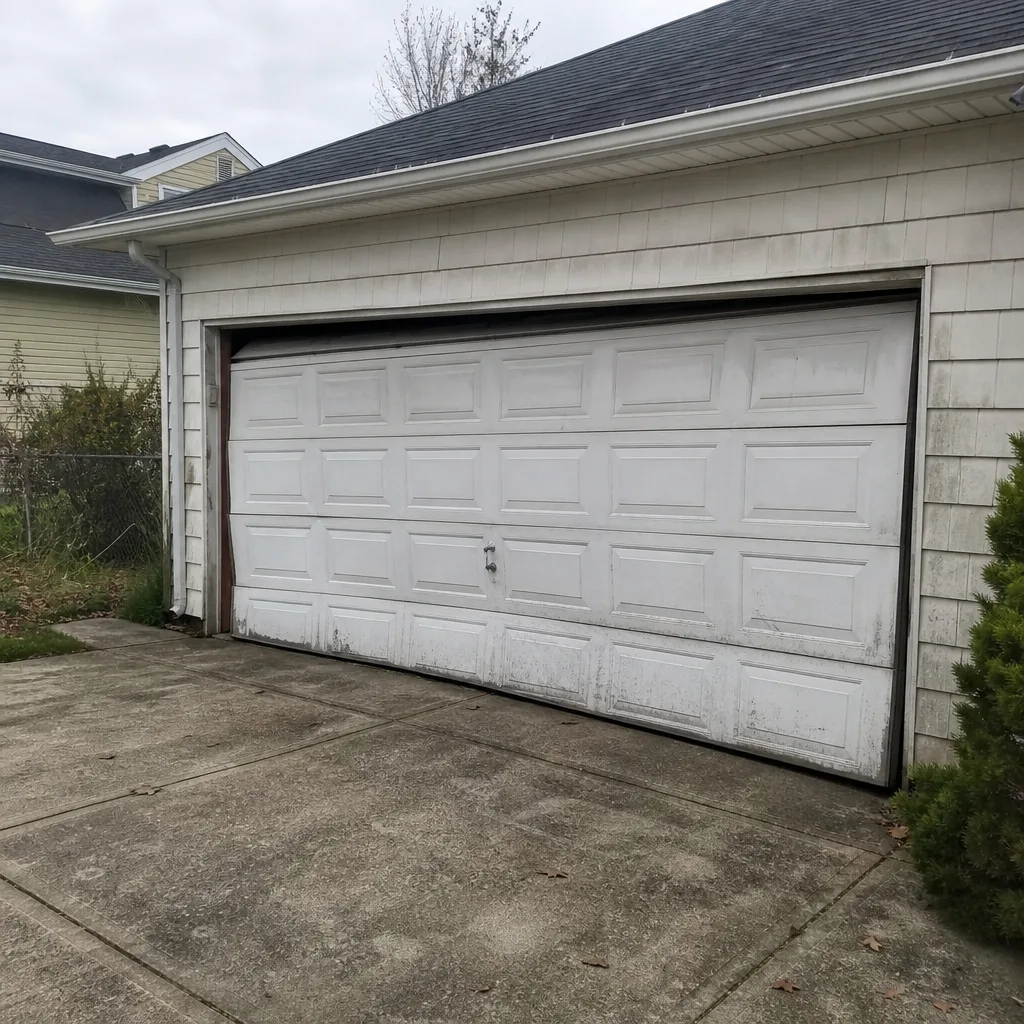
See the difference
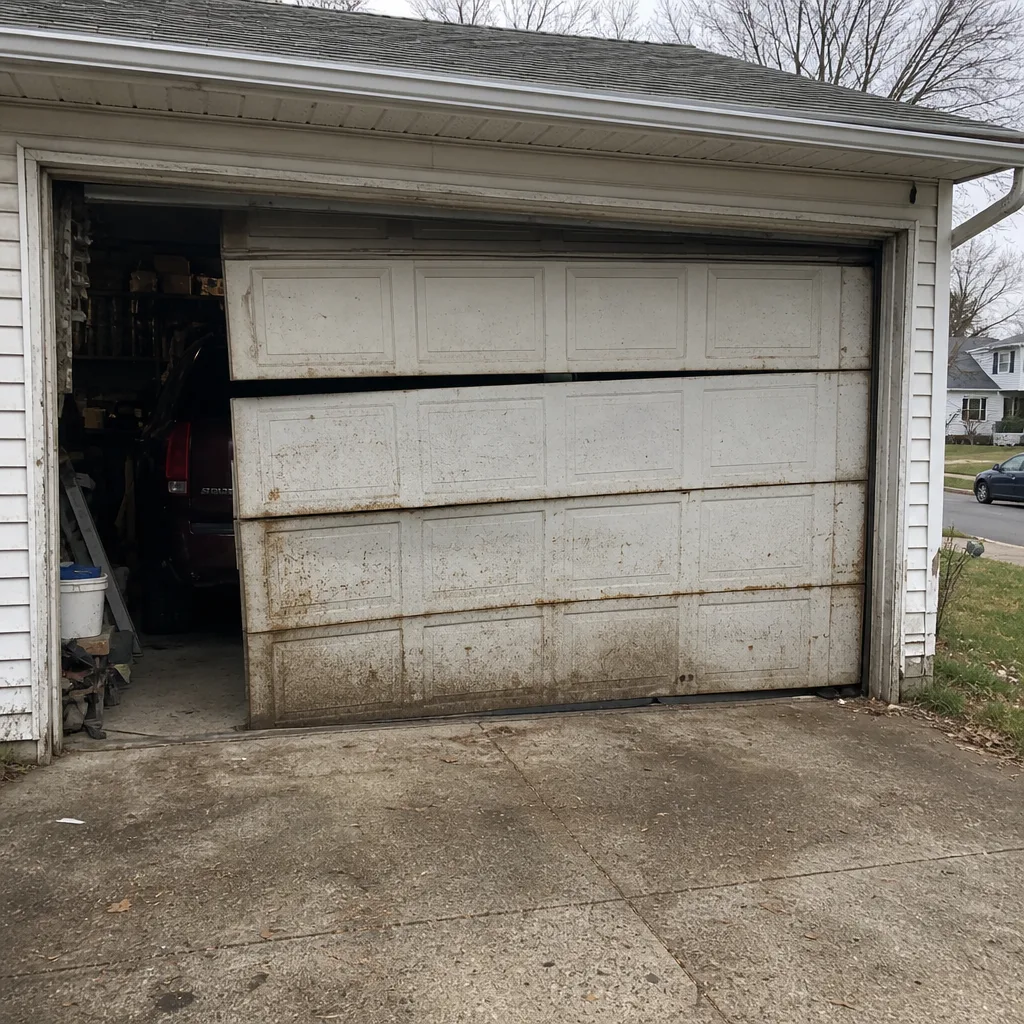 Before
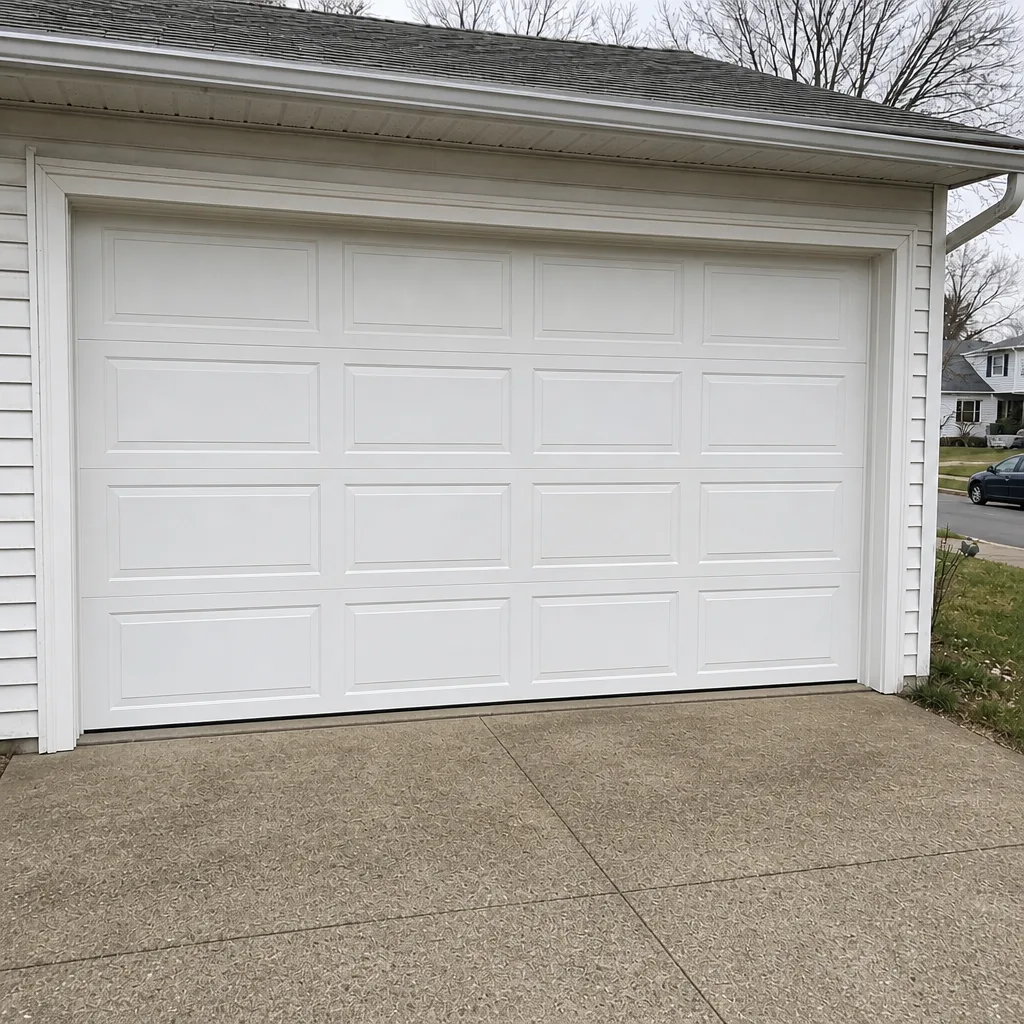 After
 Before
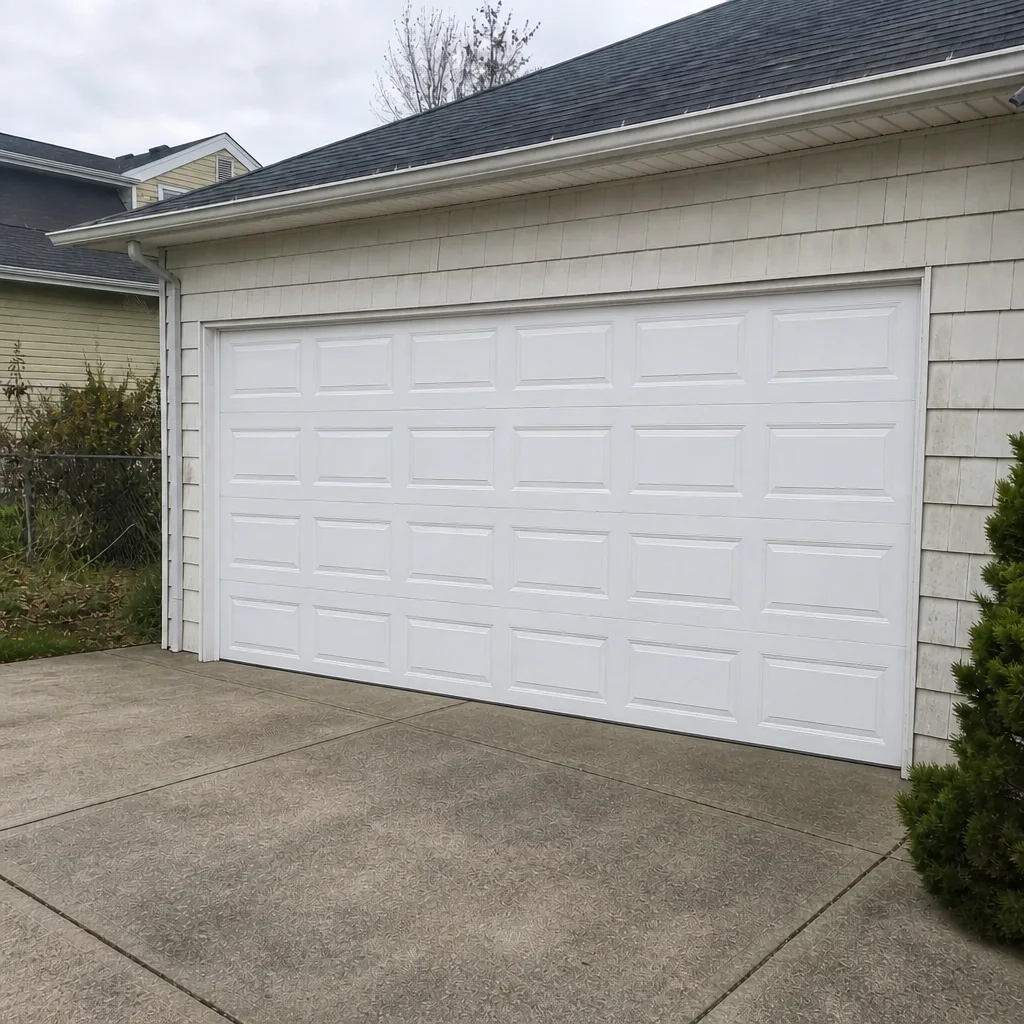 After
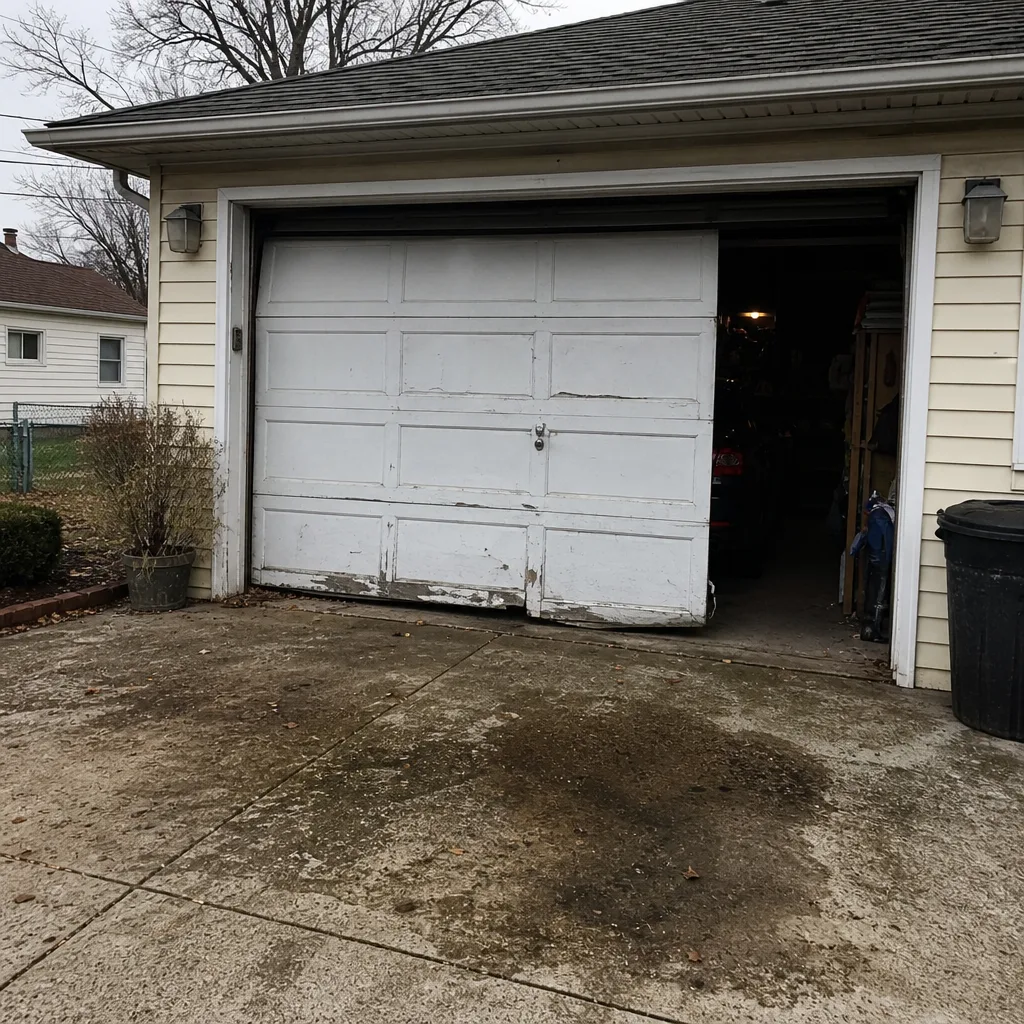 Before
 After
When to Call a Professional
Call a professional if the door’s spring has snapped or is visibly stretched, a cable is loose or broken, the door hangs crooked, the door won’t stay up, the door is noisy in a way that lubrication didn’t fix, the opener’s safety reverse no longer works, or any part of the counterbalance system needs attention. Call if your door was installed incorrectly by a previous owner or DIY attempt, and call if you can’t identify the door’s brand or opener model. For everything else, check the DIY-safe list first. Garage Door Repair West Side offers free estimates in West Side – call (855) 963-4043. We answer 24/7. Fast dispatch from 7am to 7pm, Sunday through Friday. Whether it’s a LiftMaster opener that won’t pair or a Clopay door that needs springs, our team covers the whole system from opener to overhead door.
Frequently Asked Questions
No – spring replacement is a professional-only job for safety reasons. Torsion and extension springs store tension that can cause serious injury if released incorrectly, even with careful DIY technique. The correct tools, matched spring sizing, and safe winding procedure are all things a trained technician handles. Call (855) 963-4043 for a spring diagnosis – estimates are free.
Lubrication, weatherstripping replacement, photo-eye sensor alignment, and minor track adjustments are all safe for a homeowner. These tasks don’t involve stored energy, and a mistake means a squeaky door or a draft, not an injury. Anything that touches springs, cables, or the counterbalance belongs to a pro.
For weatherstripping, sensor alignment, and lubrication, DIY wins on pure cost because the materials are inexpensive and there’s no risk. For spring, cable, or panel work, the real cost of DIY – parts, tools, second attempts, and potential damage – often matches or exceeds the professional estimate. Call (855) 963-4043 for an exact quote – estimates are free.
No – the written estimate is the price, and we agree on it before any work starts. The free estimate visit lets us see the door and confirm the job, and what we quote is what you pay. If the door reveals something the estimate missed, we talk to you about it first – no work begins without your agreement.
The local pro we connect you with is licensed and insured as their state requires. Our technicians have up to 8 years of experience working with residential garage door systems. Call (855) 963-4043 for details on the vetted local pro in West Side.
Yes – emergency garage door service is a standing offering. If your door won’t close at night or is blocking a vehicle, call (855) 963-4043. We answer 24/7. Fast dispatch from 7am to 7pm, Sunday through Friday. A call outside dispatch hours is booked into the next opening, Sunday through Friday, 7am to 7pm.
Yes – we service LiftMaster, Chamberlain, Genie, Clopay, Amarr, Wayne Dalton, Craftsman, and Raynor systems. Whether you’ve got a LiftMaster or Chamberlain myQ opener with connectivity issues, or a legacy Craftsman or Genie unit that’s failing mechanically, our technicians know the specific tolerances and parts for each system. Call (855) 963-4043 to confirm your model.
The Bottom Line
The DIY vs. professional decision for a garage door comes down to stored energy. Lubrication, weatherstripping, sensor alignment, and minor track work are yours to handle, and doing them saves real money. Anything involving springs, cables, drums, or the door’s full weight is professional-only, because the potential for serious injury during DIY isn’t worth any savings. Our team of West Side specialists covers the whole door from opener to overhead door, so one call handles whatever your system needs. Call (855) 963-4043 for a free estimate in West Side. We answer 24/7. Fast dispatch from 7am to 7pm, Sunday through Friday.
Written by the team at Garage Door Repair West Side.