
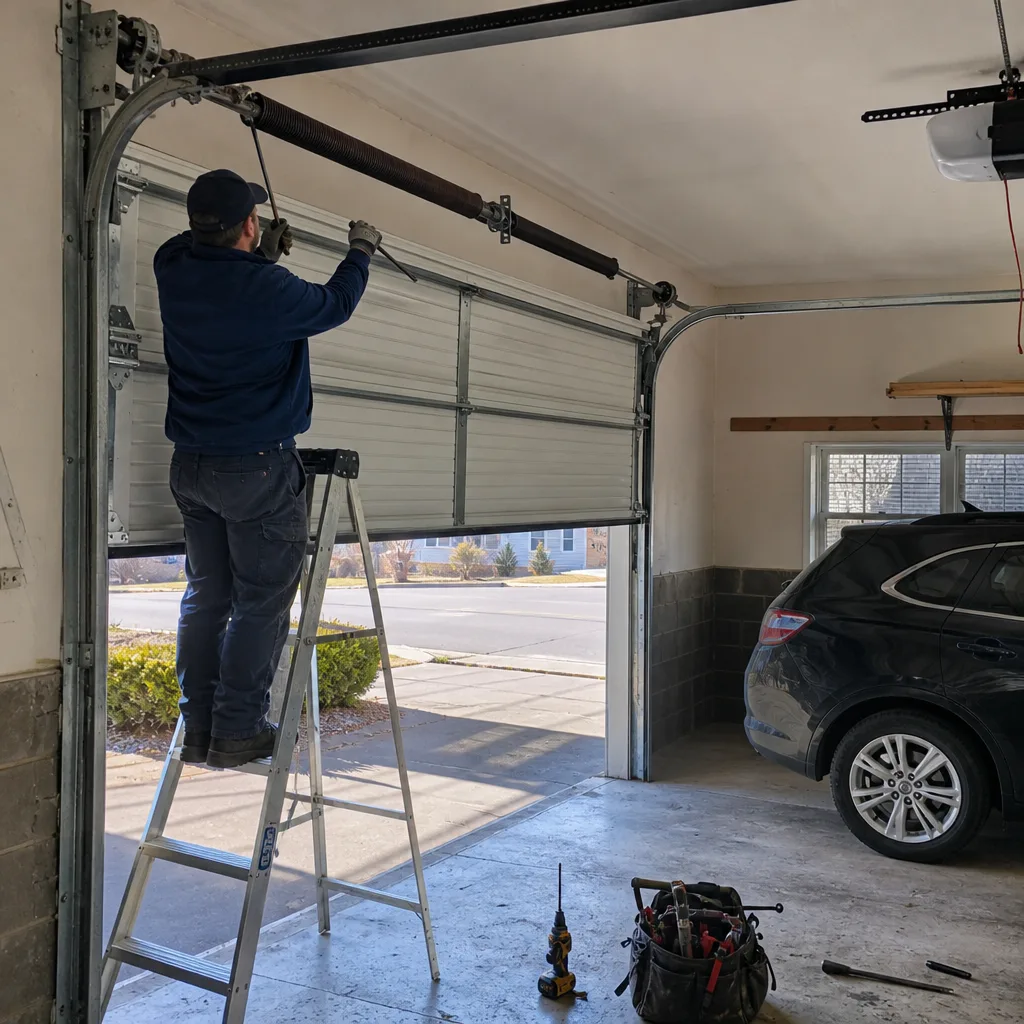
Last updated November 21, 2026
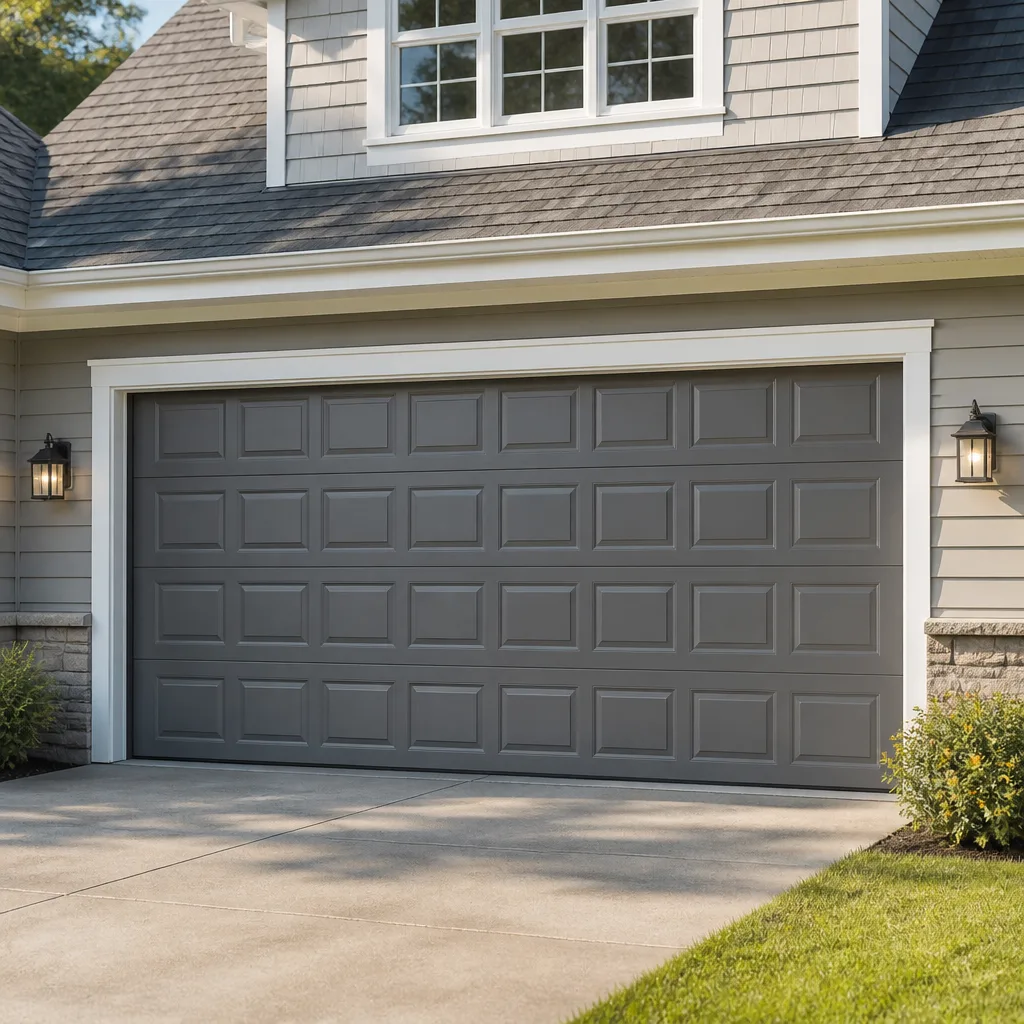 Raised-panel steel
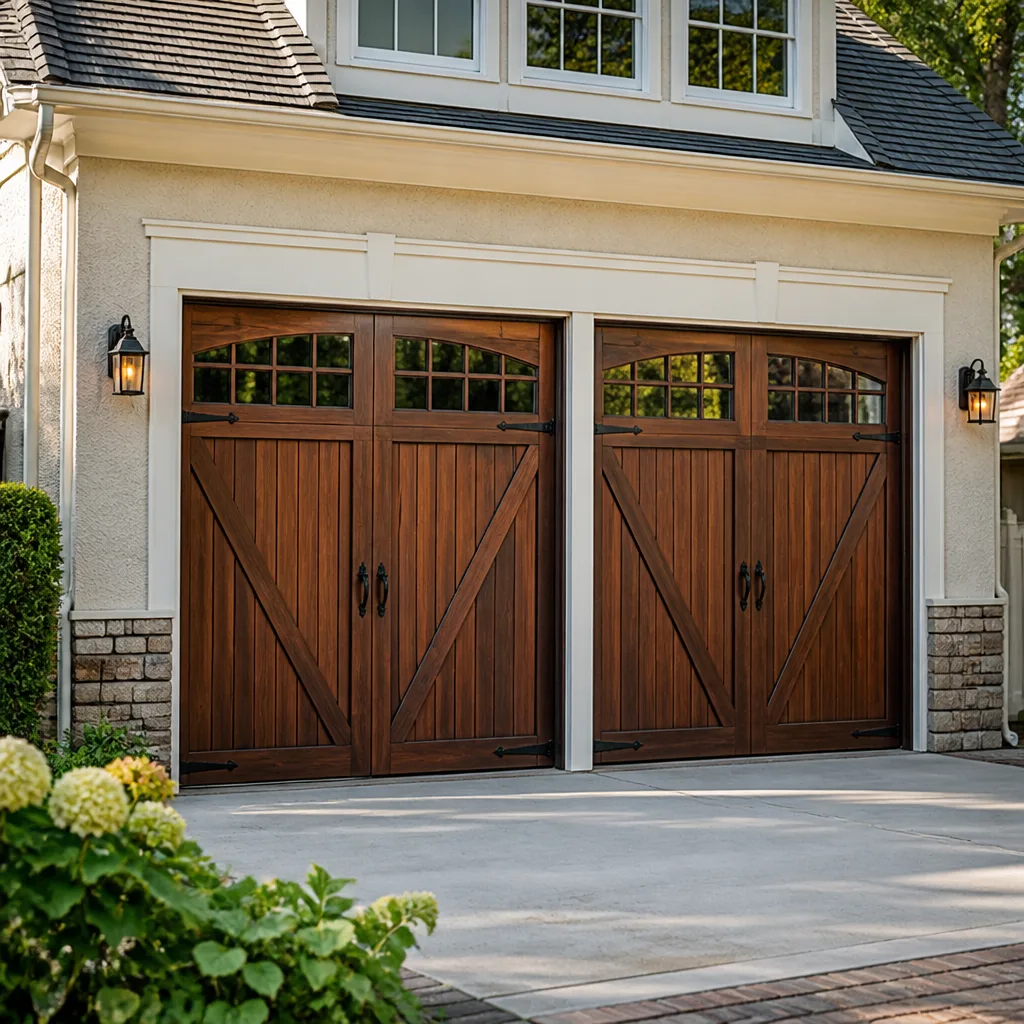 Carriage house
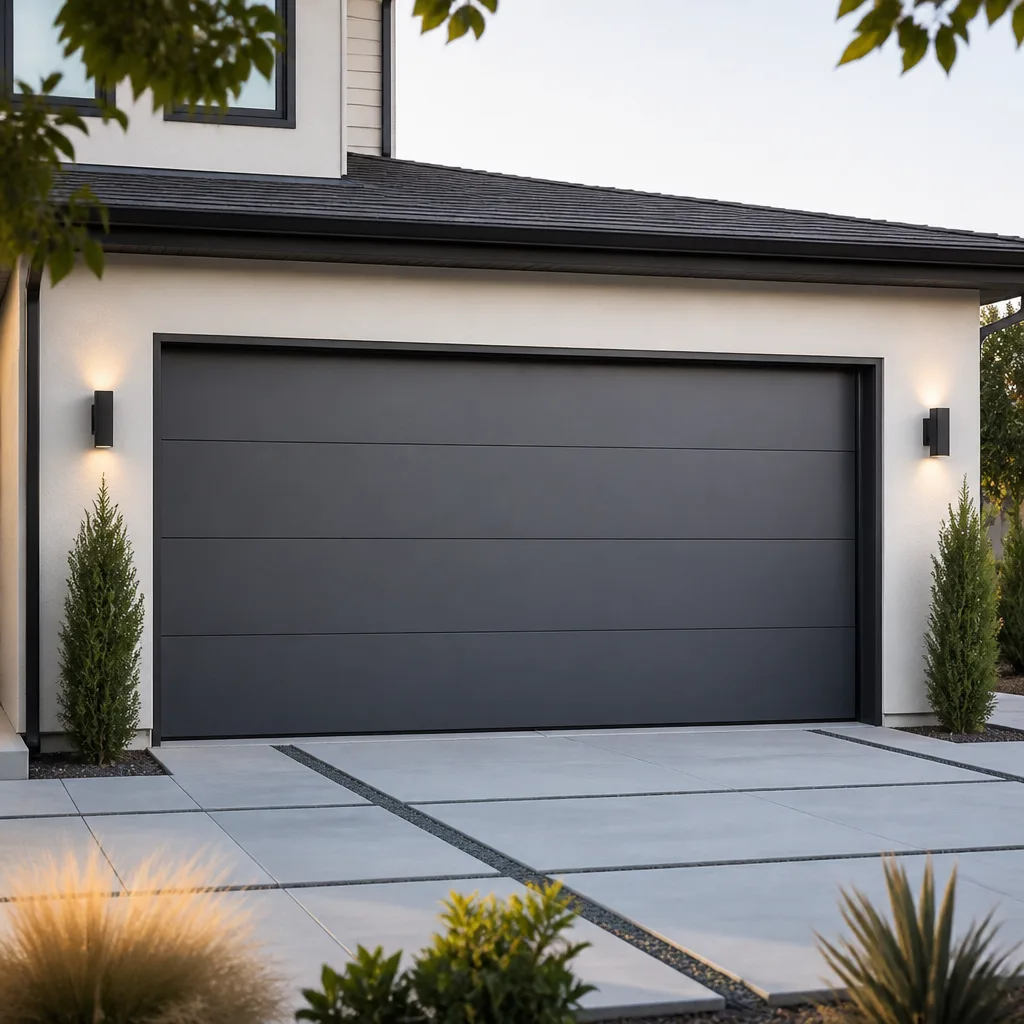 Modern flush
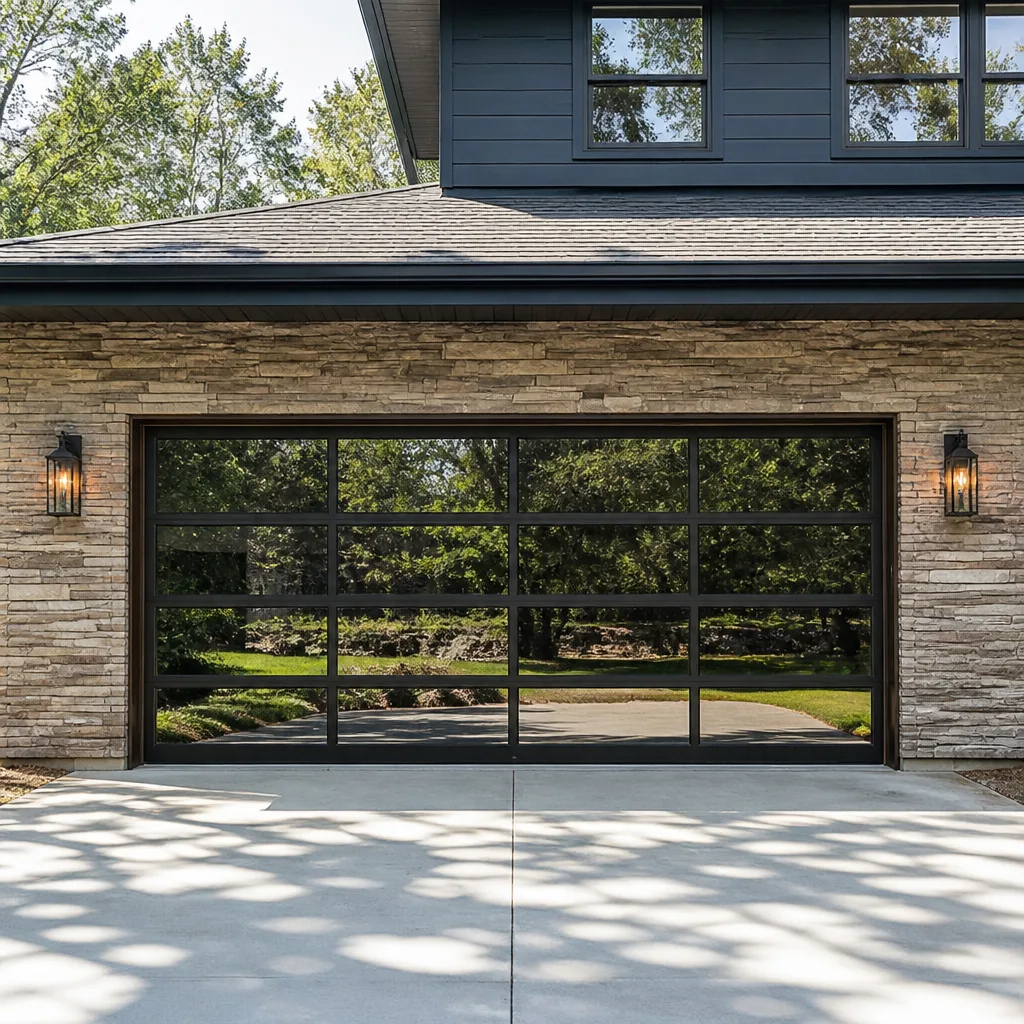 Full-view glass
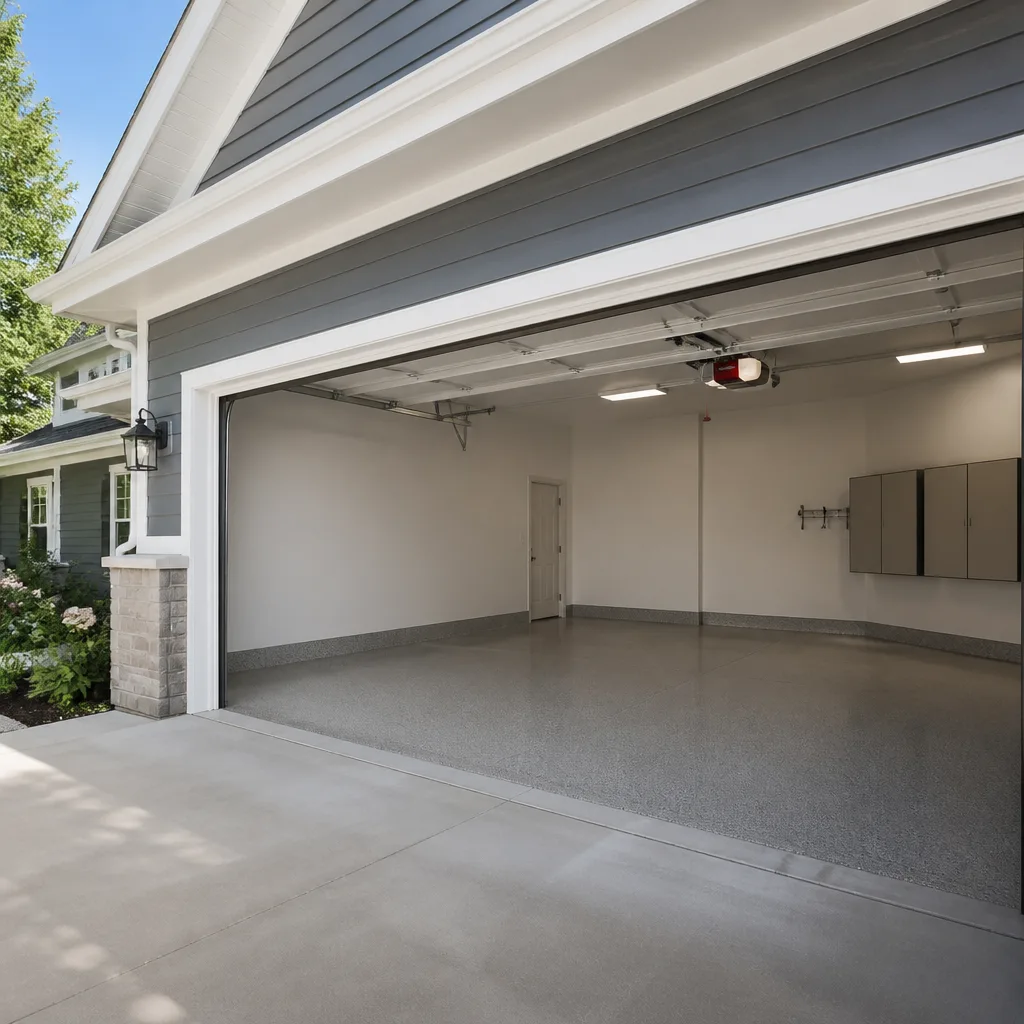 LiftMaster openers
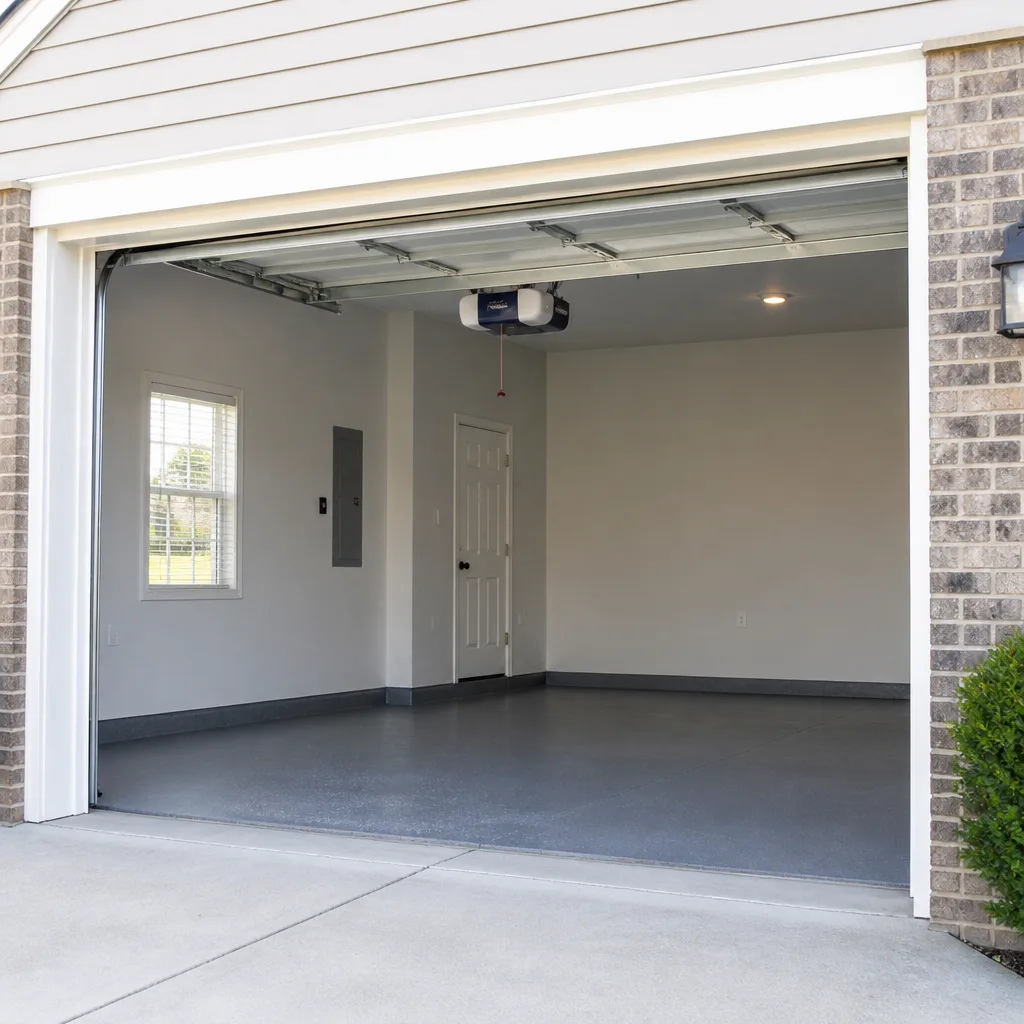 Chamberlain openers
Full 25-point door and opener safety check with every visit - springs, cables, rollers, tracks, and your LiftMaster or Chamberlain opener included
You get a price before we start. It does not change when the pro arrives.
Get your free estimateGarage Door Permits, Codes & Inspections in West Side, NJ: What You Need to Know
A garage door replacement can trigger a permit requirement in New Jersey even when nothing structural changes. Homeowners assume a door is “just a door” and skip the paperwork, and the issue can resurface years later during a home sale when an inspector or a buyer’s attorney starts asking for records on work that was never filed. We’ve seen how this catches people off guard far more often than a roof or a kitchen remodel would. This guide lays out when West Side projects need a permit, what like-for-like replacement actually means under the state code, how the inspection process works, and what to do if you discover unpermitted work.
Quick Answer
In West Side, NJ, replacing a garage door in kind usually requires a permit under the state Uniform Construction Code, while a repair to an existing door, spring, cable, track, or opener typically does not. The line between “repair” and “replacement” matters, and that’s where most confusion lives. When in doubt, ask the West Side building department before the door goes on, not after.
Styles & brands we work with
- Raised-panel steel
- Carriage house
- Modern flush
- Full-view glass
- LiftMaster openers
- Chamberlain openers
Table of Contents
- When Does New Jersey Require a Permit for Garage Door Work?
- What “Like-for-Like Replacement” Really Means Under New Jersey Code
- How the Inspection Process Works in West Side
- What Happens When Unpermitted Work Surfaces at a Home Sale
- Fire-Rated Door Requirements for Attached Garages
- What an Inspector Looks For
- Choosing a Contractor Who Understands West Side Requirements
When Does New Jersey Require a Permit for Garage Door Work?
New Jersey’s Uniform Construction Code governs most residential construction statewide, and West Side doesn’t set its own separate rules outside of the state framework. But local building departments enforce the code, and their interpretation of what needs a permit varies in practice. That variation is the reason a homeowner in one part of town hears “you need a permit” while a neighbor hears the opposite.
Here’s the general split, as it applies to residential garage doors:
- Replacement of the entire door, tracks, and hardware: Usually requires a permit as a building alteration. The door is a component of the building envelope and the structural opening.
- Replacement of a door with a different size, style, or material: Almost always requires a permit, since the load on the opening and the header above it could change.
- Spring, cable, roller, hinge, or opener repair: Generally not permitted work, since these are maintenance repairs to existing components.
- Opener replacement: Typically falls under electrical or equipment replacement and doesn’t trigger a building permit, but check with the West Side building department to be sure.
- Track or panel repair without full replacement: Often falls under repair, but a full panel swap on a sectional door may be treated as an alteration.
Nothing here replaces the word of the West Side building department on a specific job. When you call them with the make, model, and size of the door, you’ll get a clear yes or no. The conversation takes five minutes and saves you a headache a decade later.
What “Like-for-Like Replacement” Really Means Under New Jersey Code
“Like-for-like” sounds simple until you’re standing in front of a 30-year-old door and a builder’s spec sheet. In practice, the phrase means the new door matches the old one closely enough that it doesn’t change the building’s structural and code compliance profile. That includes size, opening dimensions, track configuration, and the door’s role in the building envelope.
Where the definition gets gray:
- Size changes. A quarter-inch change in width or height may sound small, but the opening header and jambs were framed for the original dimension. Changing the opening usually elevates the work from replacement to alteration, which means a permit and likely an inspection.
- Wind-load rating. New Jersey has specific wind-load and impact requirements depending on where a building sits. A new door with a different wind rating than the old one may not be “like-for-like.”
- Material changes. Going from steel to wood, or from solid to glazed, can change the weight and the framing needs. Even if the size matches, the loading may not.
- Fire rating. A door between an attached garage and the living space is fire-rated, and swapping a rated door for a non-rated one is never like-for-like.
- Insulation value. Upgrading an uninsulated door to an insulated one is usually fine, but if the door is part of a building envelope requirement, the new door needs to meet or exceed the same standard.
We handle replacement of doors from brands like Clopay, Amarr, and Wayne Dalton, and the paperwork often depends on which model goes in. Some of these models are direct swaps for common older doors. Others push the project into alteration territory. A contractor who does this every day can tell you which side of the line a specific model falls on before the door is ordered.
How the Inspection Process Works in West Side
Once a permit is issued, most garage door replacements move through a predictable sequence. The inspection is a routine check, not a stress test, but knowing the steps helps you plan the day.
- Permit application. The homeowner or the contractor files with the West Side building department, listing the door make, model, size, and how the door will be installed. Some towns want product spec sheets and load data. A licensed contractor typically handles this filing on your behalf.
- Permit issuance. Once the application is approved, the permit is issued with an inspection schedule. Some towns issue permits in days, some in a couple of weeks, depending on the workload at the time.
- Installation. The door, tracks, springs, and opener go in. Hardware is anchored, torsion springs set, safety features (photoelectric eyes and auto-reverse) confirmed working.
- Rough or final inspection. Most residential door replacements go straight to a final inspection. The inspector checks the door operation, the anchoring, and the safety reverse, and confirms the door matches the permit.
- Sign-off. The permit is closed and filed with the town. Keep the paperwork. It’s your proof when the house goes on the market.
The timeline depends on the town’s inspection calendar on a given week. Plan for a bit of buffer between installation and the final inspection, especially in the spring and early summer when permit volume picks up in West Side.
What Happens When Unpermitted Work Surfaces at a Home Sale
Unpermitted garage door work is one of the more common surprises during a home sale. It rarely blocks the sale outright, but it can stall closing while the parties work out how to remediate it. A buyer’s attorney pulls permit records, sees the door replacement on record as missing, and asks for documentation.
The typical remediation path:
- Confirm what was done. The seller provides the door manufacturer, model, and installation date to the town. Sometimes the work was permitted and just wasn’t properly closed out.
- File a retroactive permit application. The West Side building department will tell you whether they’ll accept a late filing. Most will, with a fee that reflects the original permit cost.
- Inspection. The same final inspection applies. If the door is correctly installed and meets current code, it usually passes.
- Correction if needed. If the installed door doesn’t meet current requirements (fire-rated properly, wind-rated properly, sized properly), it may need to be swapped or reinforced. This is where unpermitted work can get expensive.
- Sign-off and disclosure. Once the permit is closed, the seller has documentation to provide to the buyer’s attorney.
None of this is a disaster. It’s an inconvenience that traces back to skipping a small step at the front end. Buyers are increasingly thorough on garage doors, especially on homes where the door is older than the listing photos suggest.
Fire-Rated Door Requirements for Attached Garages
Attached garages are one of the most overlooked areas in New Jersey residential code. The barrier between a garage and the living space is part of the fire separation, and the door between the two spaces – not the overhead door, but the swinging door at the top of the steps or into the hall – is typically fire-rated.
What this means for garage work:
- The overhead door itself is usually not the fire-rated element. It’s a vehicle door, not a fire door. The separation happens at the walls, ceiling, and the pedestrian door.
- The pedestrian door is where the rating matters. If an attached garage in West Side has a door into the house, that door is typically required to be a fire-rated door with a self-closing hinge. A standard hollow-core interior door doesn’t meet it.
- Replacing the pedestrian door may need a permit. Like the garage door itself, the pedestrian door swap is often treated as an alteration to a building element with a code requirement attached.
- Drywall and ceiling penetrations matter. If new wiring, a new opener, or anything else bores through the garage ceiling, the fire separation requirement comes into play. In our experience, a lot of garages have already been patched in ways that weren’t documented.
If you’re replacing a door on an attached garage in West Side, ask the building department about the pedestrian door while you’re filing the permit. It’s easier to address both on one permit than to come back for a second round.
What an Inspector Looks For
Knowing what the inspector checks helps you spot problems before the appointment. The list isn’t long, and it’s mostly about safe operation and code match.
- Door matches the permit. The make, model, and size on the door should match the application. Substitutions after issuance usually require an amended permit.
- Attachments and anchoring. Tracks are fastened securely, jamb brackets are correct, and the header support is adequate for the door’s weight.
- Spring tension. Torsion and extension springs need proper wind and balance. An inspector doesn’t disconnect the springs, but a door that doesn’t balance mid-travel will be flagged.
- Safety reverse. Both the photoelectric eyes and the mechanical auto-reverse need to work. This is the most common failure on inspection day and it’s usually a quick fix.
- Fire separation on attached garages. The pedestrian door rating, wall penetrations, and ceiling condition all count on attached garages.
- Electrical connections. If a new opener or a new power circuit was installed, the inspector may want to see the connection is done correctly.
Most of these are covered by a competent installation. The one that trips up contractors who aren’t paying attention is the safety reverse – it’s easy to leave a sensor slightly misaligned, and it fails on the first test in the driveway.
Choosing a Contractor Who Understands West Side Requirements
The single biggest variable in how smoothly your permit process goes is the contractor on the job. A contractor who files the paperwork correctly and knows the local inspector’s expectations gets you through in one pass. A contractor who doesn’t know the process can turn a two-week job into a six-week back-and-forth.
What to look for:
- Licensing and insurance. The local pro should be licensed and insured as their state requires. Ask for proof before work begins.
- Familiarity with the state code and local filing. Ask whether they’ve filed permits in West Side before and what doors they typically file. The answer tells you a lot.
- Brand-specific knowledge. Your Clopay, Amarr, Wayne Dalton, or Craftsman door has specific installation tolerances. A contractor who works on those systems regularly knows where the paperwork usually lands and where it sometimes gets held up.
- Written estimate. Get the price in writing before any work starts, including permit fees if the contractor is pulling them. The final invoice should match the quote.
- Willingness to coordinate inspection. Good contractors don’t hand you a permit and walk away. They schedule the final inspection and close the permit out.
We work with the door brands customers have on their homes, from opener systems on LiftMaster, Chamberlain, Genie, and Craftsman units to complete door replacement on Clopay, Amarr, Wayne Dalton, and Raynor. That brand knowledge carries into the permit paperwork, because the make and model matter to the filing. If your door is one of these systems, we’re not learning it on your job.
Common Mistakes to Avoid
- Assuming replacement never needs a permit. It often does, even on a like-for-like swap, depending on how the West Side building department reads the job. Ask before the door is ordered, not after it’s hung.
- Assuming repair always needs a permit. Spring, cable, and opener repairs are usually maintenance and aren’t permitted work. Homeowners sometimes waste a week filing paperwork they didn’t need.
- Changing door size without amending the permit. If the permit lists a 9-foot door and a 9-foot-2 door goes on, the inspection can fail and the permit has to be refiled. The gap seems small on paper and matters at inspection.
- Ignoring the pedestrian door on an attached garage. Fire separation is part of the inspection checklist. Homeowners who focus only on the overhead door are often caught out on the swinging one.
- Paying the contractor before the inspection closes. The job isn’t done when the door is up. It’s done when the permit is signed off. Hold final payment until then.
- Assuming the old paperwork is still on file. Permits from 20 or 30 years ago may not be recoverable. If a sale is imminent, get ahead of it and file a retroactive application before the buyer’s attorney does.
- Hiring a generalist for a job that needs a specialist. High-tension torsion and extension springs are not a place for a jack-of-all-trades. A spring under the wrong tension can fail violently, and a poorly trained installer won’t catch it before the first cycle.
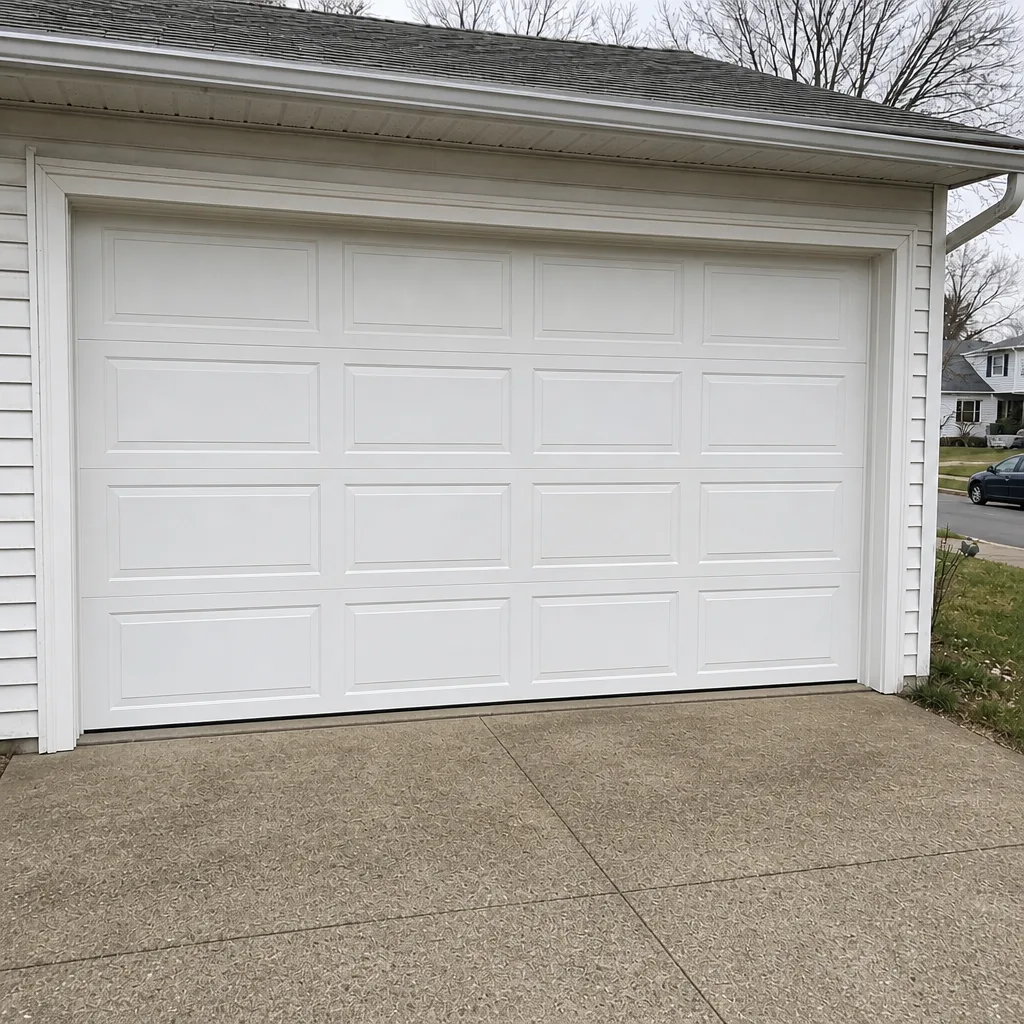
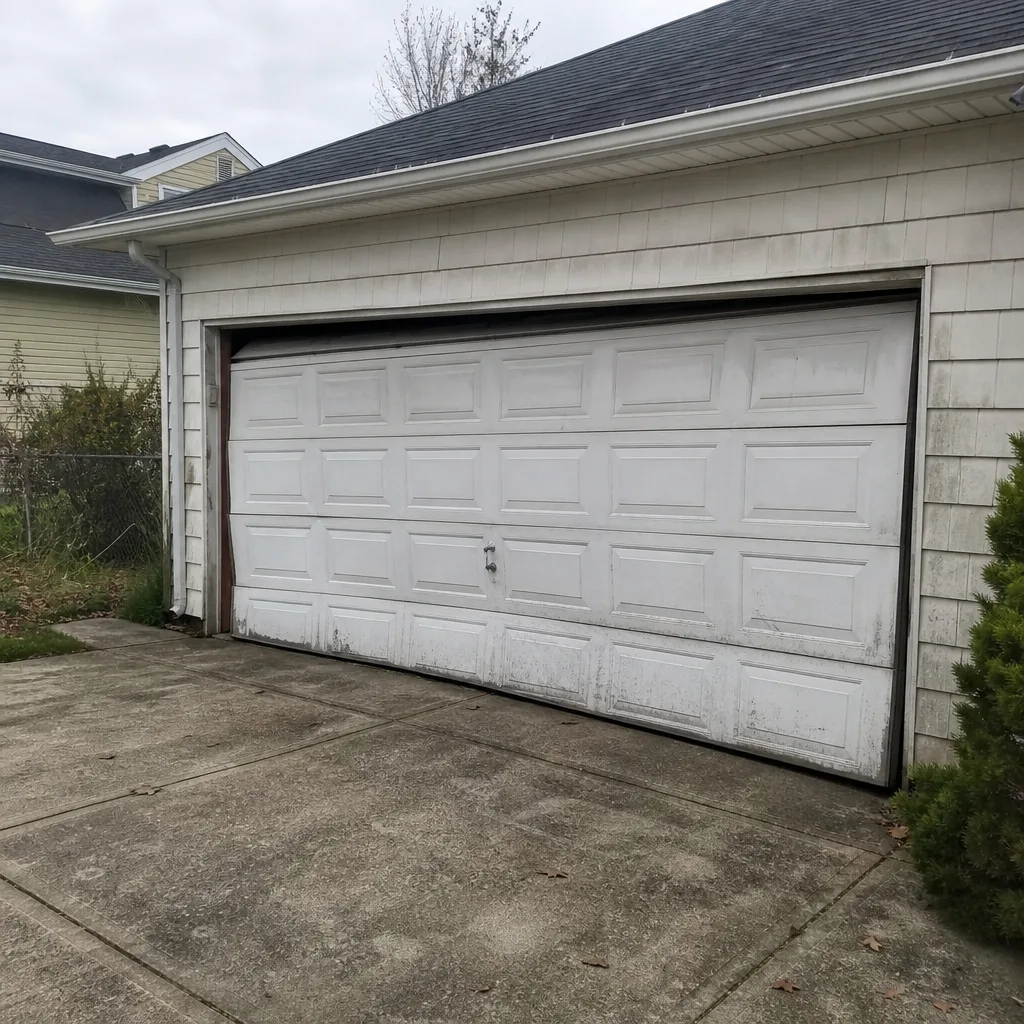
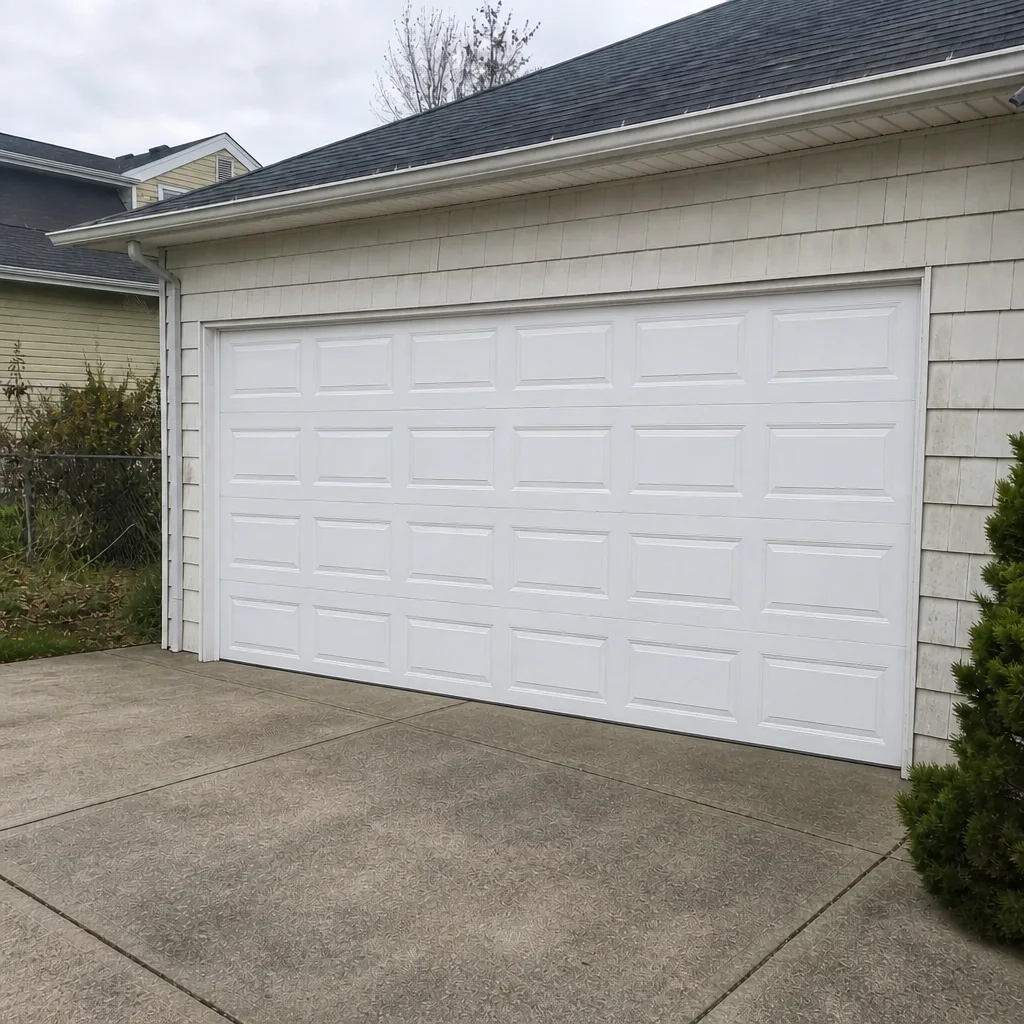
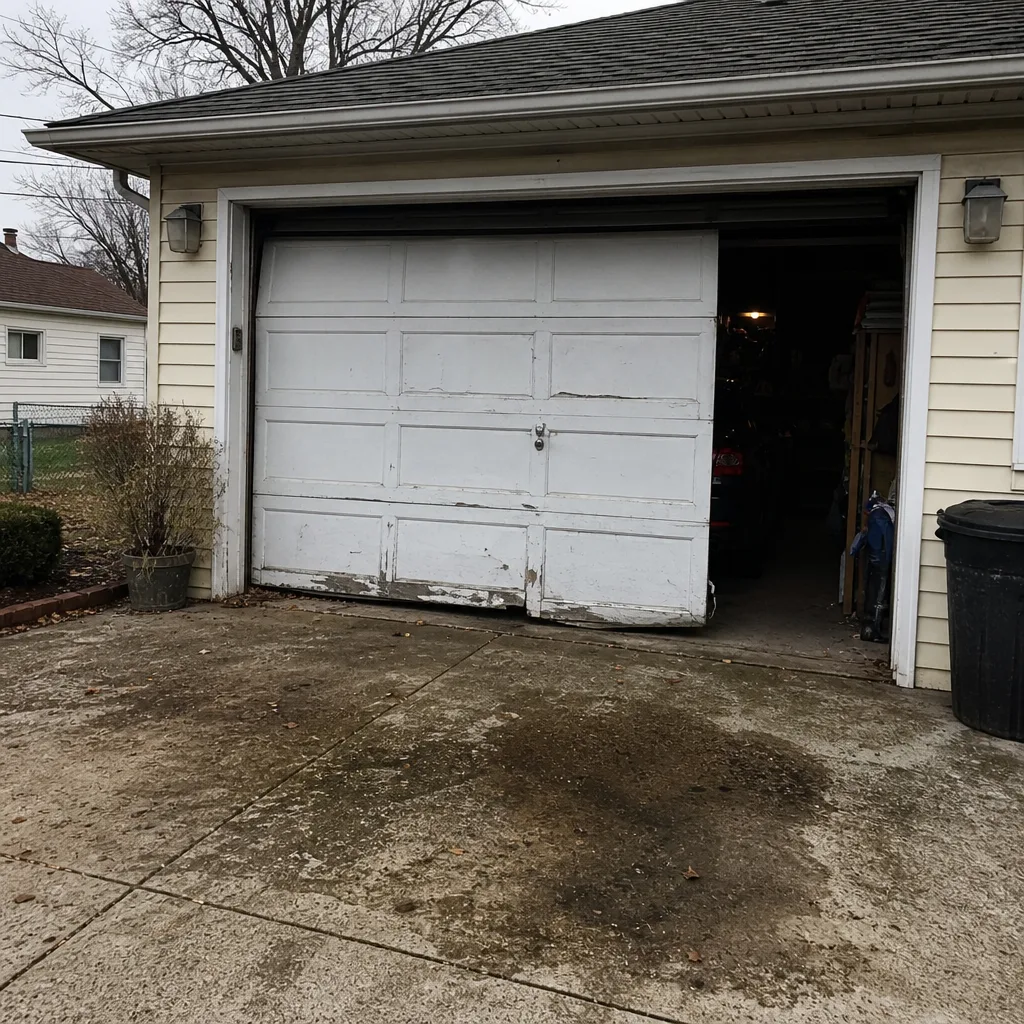
See the difference
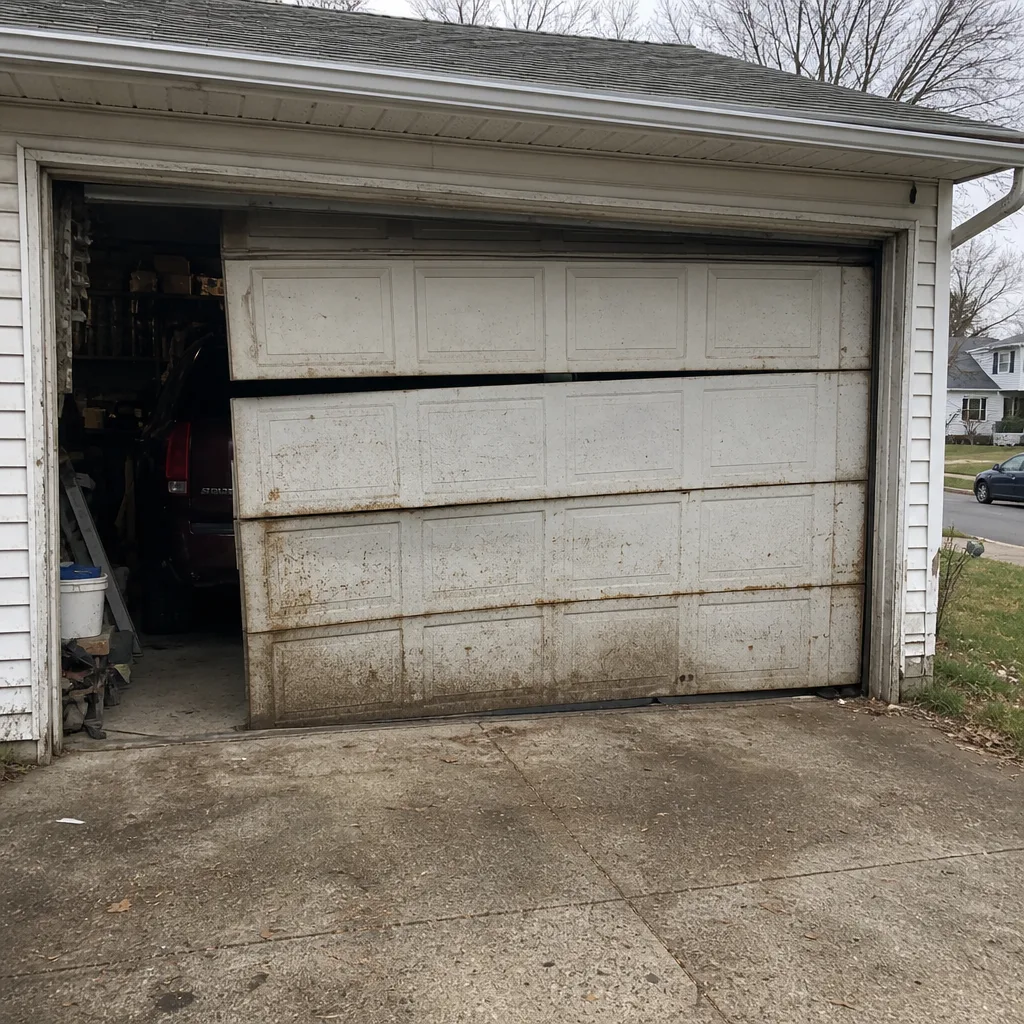 Before
 After
 Before
 After
 Before
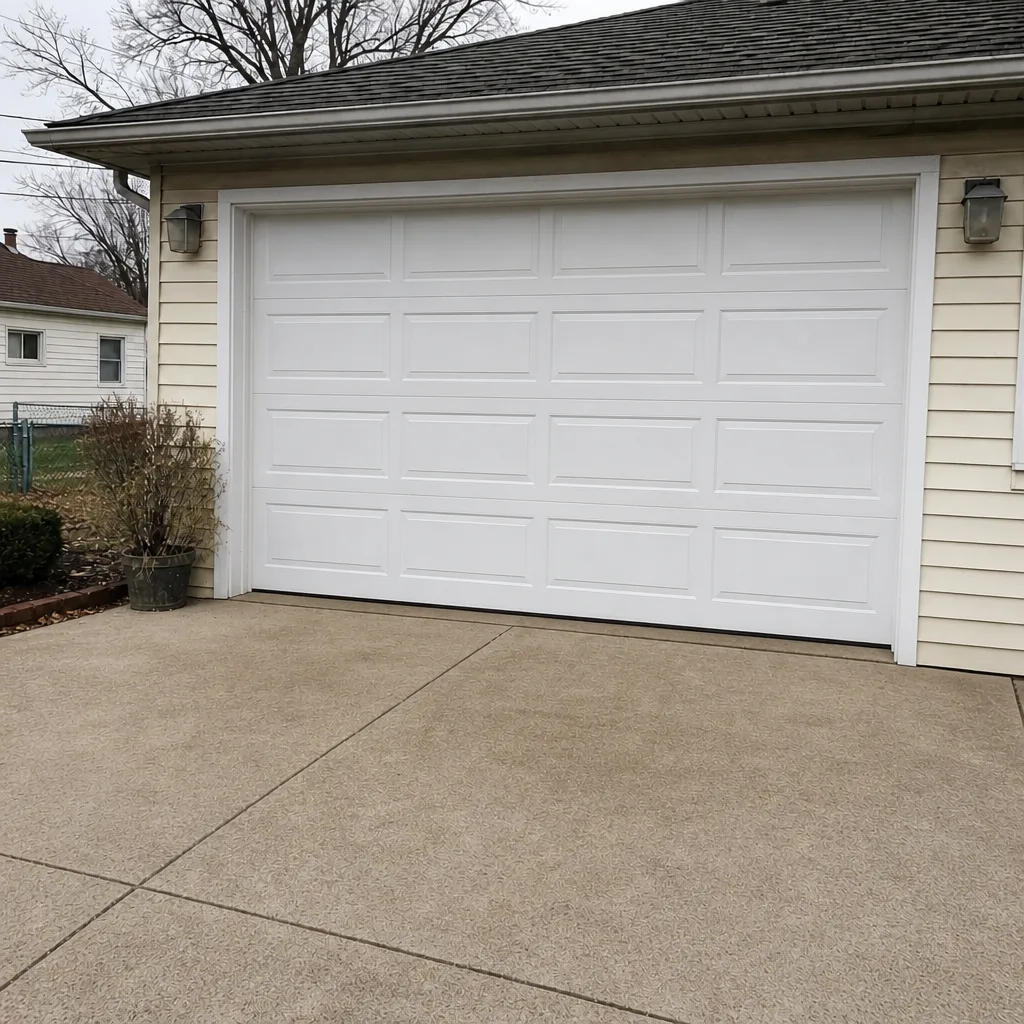 After
When to Call a Professional
Most of the decisions in this guide happen before the wrench comes out. If the door won’t close, a spring is snapped, or the door is stuck halfway up and blocking a car, that’s not the moment to figure out the permit. That’s the moment to call. We answer 24/7. Fast dispatch from 7am to 7pm, Sunday through Friday, closed Saturday. If the door fails on a Saturday, call and we’ll book you into the next opening on Sunday. Our technicians have up to 8 years of experience, and spring work in particular is a safety-critical job that needs a trained hand, not a general handyman.
For scheduled installations and replacements, the first step is a free measure and a written price. Garage Door Repair West Side offers free estimates in West Side. Call (855) 963-4043 and we’ll talk through the door, the permit, and the timeline before any work is ordered. Learn more about garage door repair or garage door installation when you’re ready to move forward.
Frequently Asked Questions
In most cases, yes. The New Jersey Uniform Construction Code treats a full garage door replacement as a building alteration, and the West Side building department will usually require a permit and a final inspection. Repairs to springs, cables, tracks, and openers are typically not permitted work. Call (855) 963-4043 to talk through your specific job, and we’ll tell you what we’d file.
No. Spring, cable, and opener repairs are maintenance on existing components and generally don’t trigger a permit. The trade-off is that spring work is high-tension and dangerous, which is why it belongs with a specialist. Call (855) 963-4043 for a free estimate.
Like-for-like means the new door matches the old one in size, track, and building function, without changing the opening, load, or fire and wind rating. If the new door changes any of those, the work is treated as an alteration and the paperwork is heavier. Talk to us before ordering a door so we can flag which side of the line your model falls on.
The buyer’s attorney will typically ask for documentation, and the seller files a retroactive permit, gets the door inspected, and closes the permit before the sale proceeds. It’s an inconvenience, not a disaster, but it’s easier to avoid by filing up front. Call (855) 963-4043 for a free estimate.
A licensed local pro typically files the permit on the homeowner’s behalf and coordinates the final inspection. We order your door and schedule the job, and the local pro handles the filing and inspection. Call (855) 963-4043 to start with a free measure and a written price.
The written estimate sets the price. If something unexpected comes up (a damaged header, a door that isn’t like-for-like on inspection, a pedestrian door that needs fire rating), we’ll discuss it with you before any extra work starts. You agree to the number before we begin. Call (855) 963-4043 for a free estimate.
The Bottom Line
Permits for garage door work aren’t a red-tape annoyance. They’re a record that protects you at resale and confirms the door was installed to code. The rules in West Side are governed by the New Jersey Uniform Construction Code, but the local building department enforces them, so the fastest way to get a clear answer is to call and ask. Repairs usually don’t need a permit. Replacements usually do. Fire separation on attached garages matters, and like-for-like might not mean what you think it means. Get the paperwork done up front, hold final payment until the inspection closes, and keep the records. That covers 90% of the problems we see.
Ready to schedule a free measure or talk through a repair? Call (855) 963-4043. We answer 24/7. Fast dispatch from 7am to 7pm, Sunday through Friday. Visit Garage Door Repair West Side for the full range of services, and if you’re having opener trouble, our garage door opener repair team can diagnose smart and legacy systems on LiftMaster, Chamberlain, Genie, and Craftsman units.
Written by the team at Garage Door Repair West Side.