
Last updated November 21, 2026
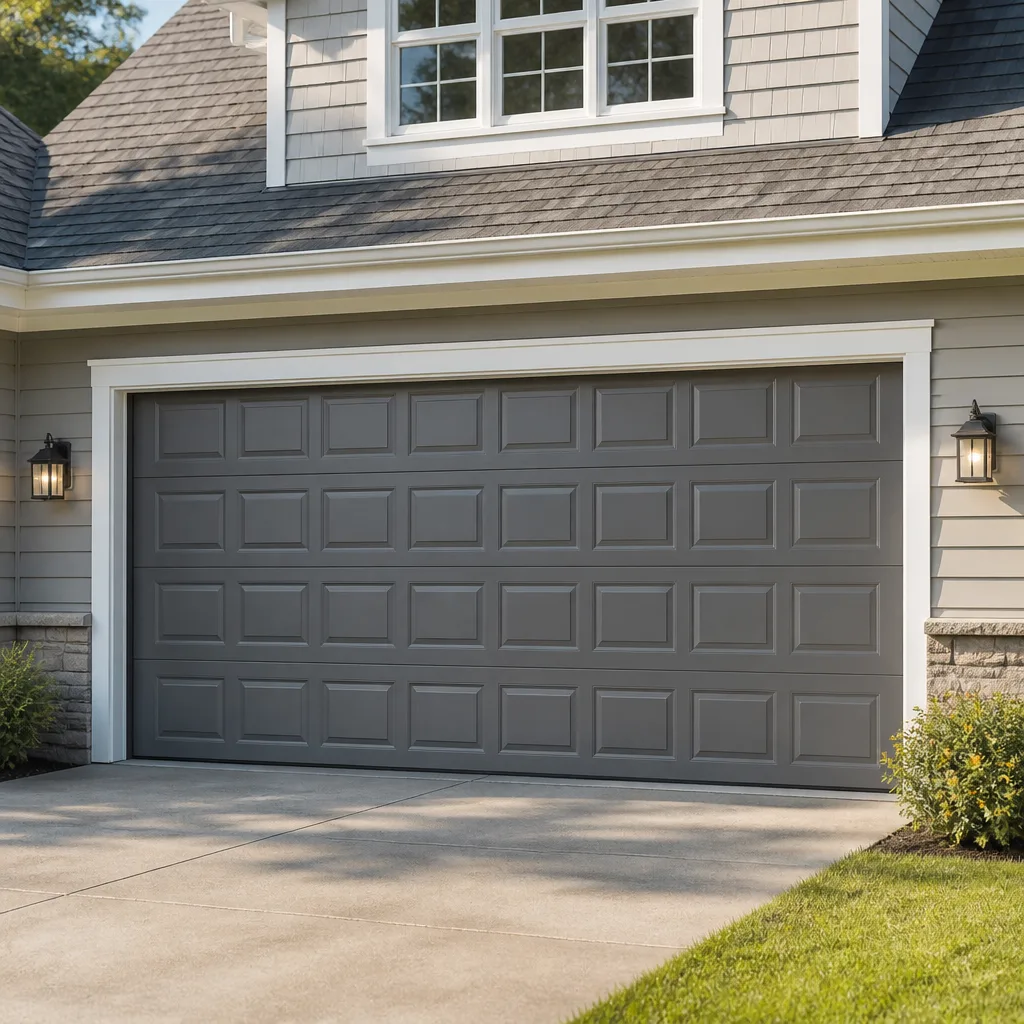 Raised-panel steel
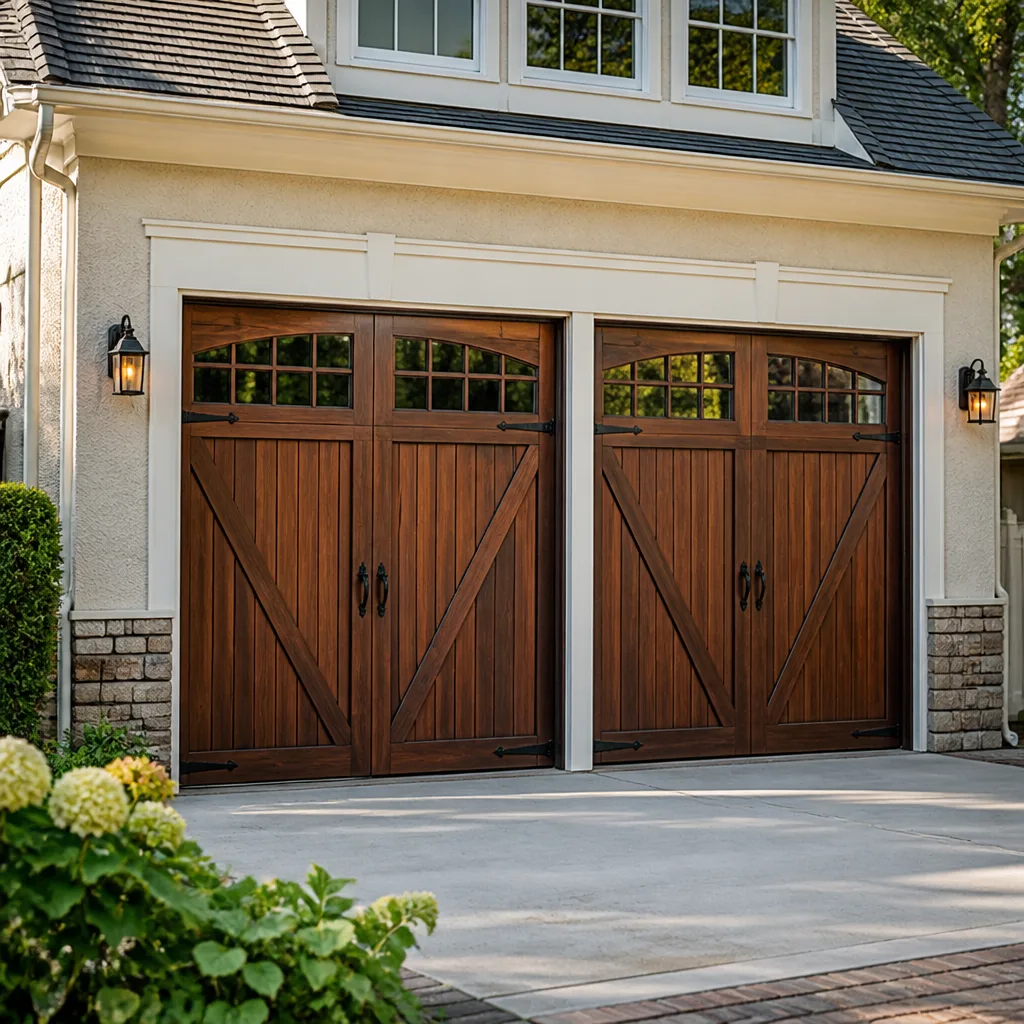 Carriage house
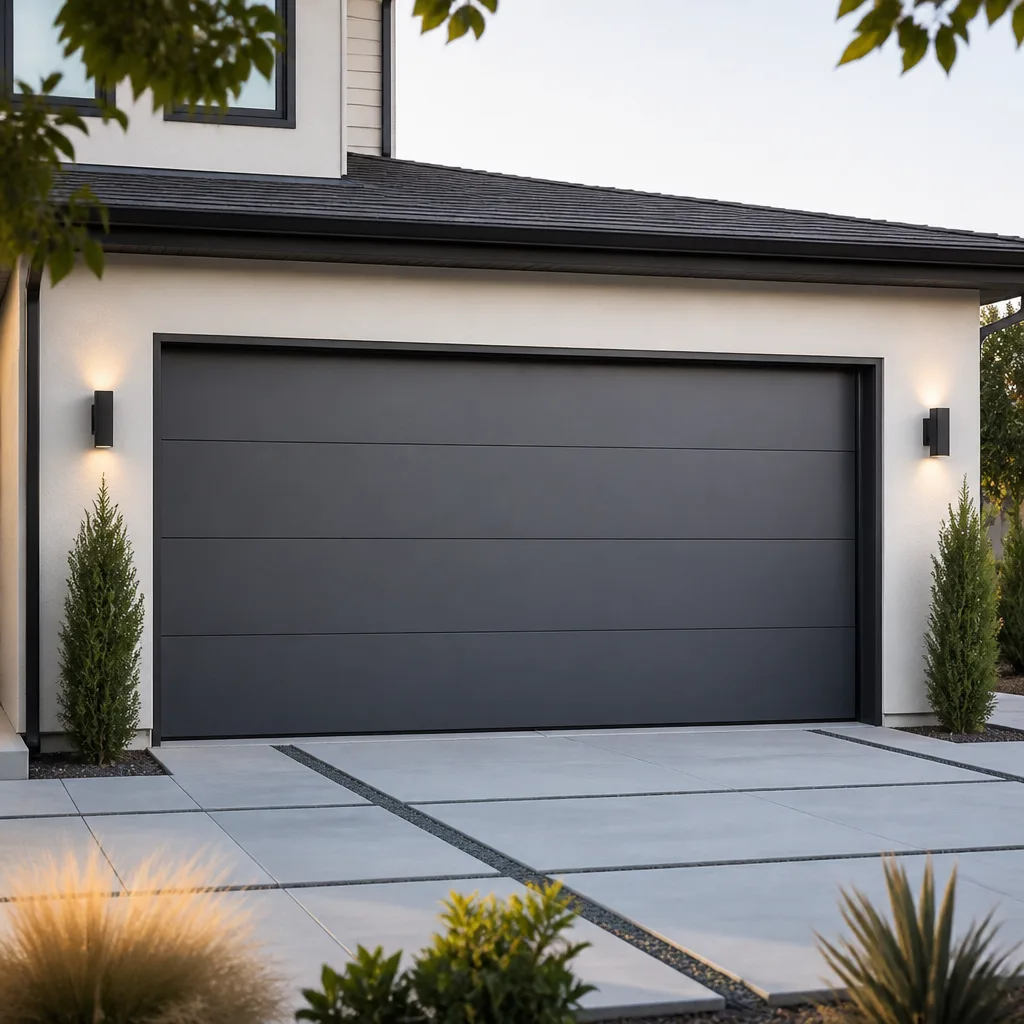 Modern flush
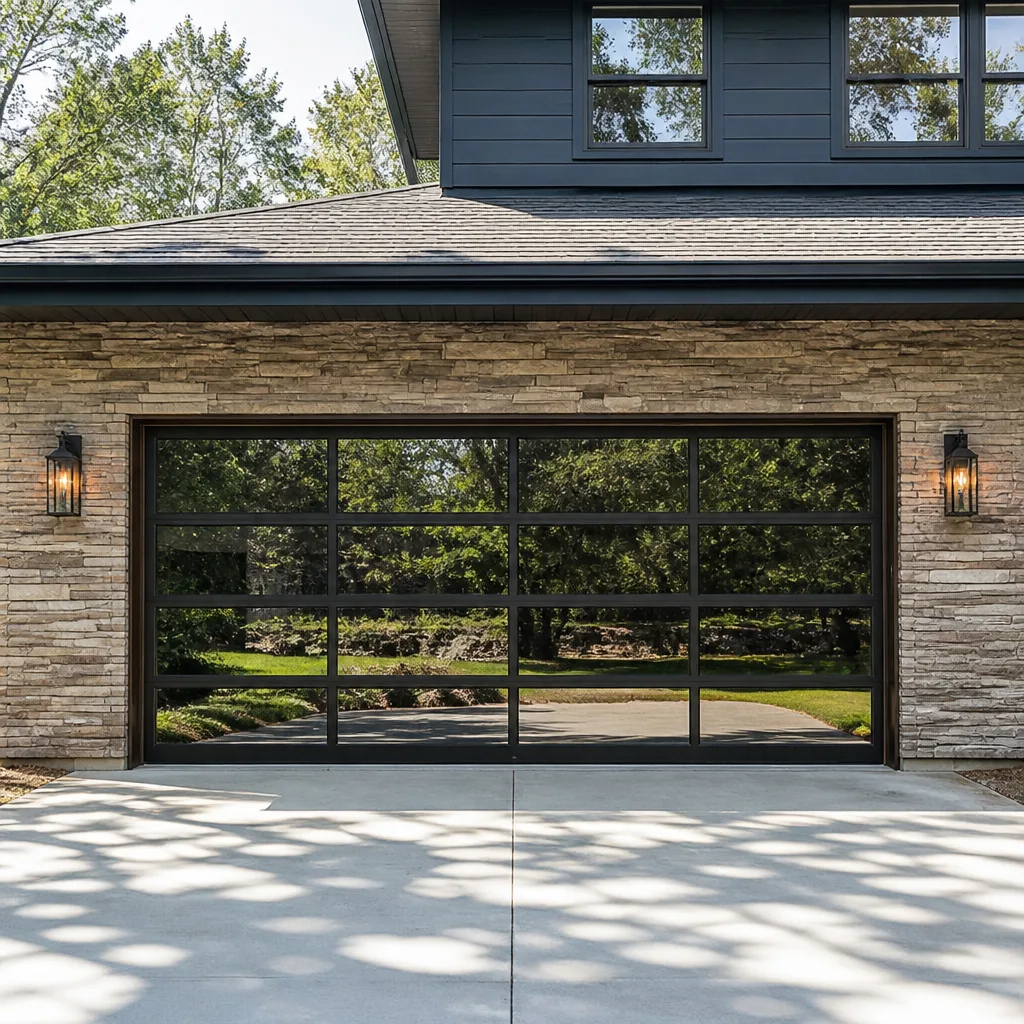 Full-view glass
 LiftMaster openers
 Chamberlain openers
Full 25-point door and opener safety check with every visit - springs, cables, rollers, tracks, and your LiftMaster or Chamberlain opener included
You get a price before we start. It does not change when the pro arrives.
Get your free estimateHow to Hire a Garage Door Contractor in West Side: A Step-by-Step Guide
The most common complaint after a bad garage door repair isn’t the price. It’s that the contractor stood in the driveway, looked at the opener, and said they “couldn’t work with that brand” – then left the job half-finished with the door still stuck open. That single sentence tells you everything about how a company operates. A garage door is a system: springs, cables, tracks, panels, and an opener that all have to work together, and the brand on your motor shouldn’t decide whether you can get your car out in the morning. In this guide, we’ll walk through what a West Side homeowner actually needs to check before hiring anyone: the license and insurance requirements in New Jersey, the five questions that separate a real technician from a reseller, the red flags hiding in a quote, and what a proper written scope of work looks like for a spring swap, an opener install, or a full door replacement.
Quick Answer
To hire a garage door contractor in West Side, verify the company’s New Jersey home improvement registration and liability insurance first, then ask five direct questions about brand compatibility, spring type, warranty terms, and written scope. A legitimate contractor will answer all of them without hesitation and put the price in writing before any work starts. If a company dodges the brand question or quotes a vague lump sum with no line items, walk away.
Styles & brands we work with
- Raised-panel steel
- Carriage house
- Modern flush
- Full-view glass
- LiftMaster openers
- Chamberlain openers
Table of Contents
- What License and Insurance Does a Garage Door Contractor Need in West Side?
- Five Questions That Reveal Whether a Contractor Knows the Work
- Why Multi-Brand Capability Matters Before You Sign Anything
- Red Flags in a Garage Door Quote
- What a Written Scope of Work Should Include
- Matching the Contractor to the Job: Spring, Opener, or Full Replacement
- How West Side Weather and Housing Shape Garage Door Wear
- What Garage Door Work Typically Costs in West Side
- Common Mistakes to Avoid
- When to Call a Professional
What License and Insurance Does a Garage Door Contractor Need in West Side?
New Jersey requires home improvement contractors to hold a registration with the state Division of Consumer Affairs, and to carry liability insurance as part of that registration. Garage door work falls under home improvement contracting here, so any company you hire to replace a torsion spring, install a new Clopay door, or swap an opener should be able to produce that registration number when you ask. This isn’t a formality. It’s your only real leverage if something goes wrong on your property.
Verifying it takes under two minutes if you know where to look:
- Ask for the registration number in writing – by text or email, not just spoken on the phone. A contractor who has one will send it without fuss.
- Look it up on the state Division of Consumer Affairs site. Search the business name and confirm the registration is active, not expired or suspended.
- Ask for a certificate of insurance and check that the general liability policy is current and names the work you’re having done. If the certificate lists a policy expiration date in the past, that’s a stop sign.
- Confirm workers’ compensation coverage if anyone besides the owner will be on your property. A helper injured in your garage is a problem you don’t want to own.
What you’ll find is that most legitimate West Side contractors are registered, insured, and happy to prove it. The ones who get defensive about the question are usually the ones with something to hide. You don’t need to memorize the statute. You just need to see an active registration and a live insurance certificate before anyone touches your door. When you’re comparing options for garage door repair, this is the step to do first, before price even enters the conversation.
Five Questions That Reveal Whether a Contractor Knows the Work
You can learn more in five minutes of targeted questions than in an hour of reading reviews. These questions aren’t tricks – they’re the things a trained technician thinks about automatically and a reseller has to bluff through. Ask every one of them before you book.
1. “What brand of opener is on my door, and do you work on it?”
A real tech will look at the unit and tell you – LiftMaster, Chamberlain, Genie, Craftsman, whatever it is – and confirm whether they carry parts for it. We work on LiftMaster, Chamberlain, Genie, Craftsman, and Raynor opener systems specifically, including the myQ smart-home setups that trip up general handymen. If the answer is a shrug and “we can probably figure it out,” keep calling.
2. “Is this a torsion spring or an extension spring, and which one is failing?”
These are two completely different systems with different failure modes. A technician who can’t tell you which one is on your door in the first thirty seconds doesn’t do this work often. This alone filters out a lot of noise.
3. “What’s the warranty, and is it on the part, the labor, or both?”
A parts-only warranty is close to worthless on a spring that fails because it was installed wrong. You want to know the labor is covered. Ask them to say it in writing.
4. “What’s included in the quoted price?”
You’re listening for whether they name the specific parts, the disposal of the old hardware, and any adjustment to the track or opener. A vague “we’ll take care of it” is a warning.
5. “Can you send the estimate in writing before the work starts?”
Every reputable contractor will. The price you agree to before work begins is the price you pay – anything else is a red flag you should have caught earlier.
Ask these five questions of any company you’re considering, whether you found them from a West Side neighbor’s recommendation or an online search. The answers will sort the field fast.
Why Multi-Brand Capability Matters Before You Sign Anything
Here’s the scenario that plays out more than any other: your Genie opener fails, you call a contractor who only stocks LiftMaster parts, and they tell you the whole unit has to be replaced because “we don’t work with that brand.” Sometimes that’s true. Often it’s just an upsell to a system they know.
Multi-brand capability means the technician on your driveway actually has compatibility knowledge, not just a catalog. A Clopay panel has different tolerances than an Amarr or Wayne Dalton door. A Chamberlain opener with myQ connectivity has different diagnostic steps than a legacy mechanical Genie. A company that services all of these can look at what’s already on your house and tell you honestly whether it needs repair or replacement – not just which option is more convenient for them.
How to test for it before you sign:
- Name your brand and watch the reaction. If they ask you to spell it, that’s your answer.
- Ask what parts they’d need to order. Real compatibility knowledge includes knowing lead times on specific panels or openers.
- Ask whether they can service the opener and the door as a system. The best outcome is one company that handles the panels, springs, cables, tracks, and the opener – because the failure is almost never isolated to one part.
We work on eight of the most widely installed garage door and opener brands, which covers the vast majority of residential systems you’ll find in West Side homes. But the point isn’t the count. It’s that your brand shouldn’t be the reason a job can’t be finished. When you’re ready to move on garage door opener repair, test the company’s knowledge before you commit to anything.
Red Flags in a Garage Door Quote
The quote is where a bad contractor shows their hand, if you read it carefully. Not every red flag is obvious. Some hide behind friendly language and reasonable-sounding line items.
Watch for these:
- Vague line items. “Garage door repair – $375” tells you nothing. A real quote breaks out the spring, the cables, the labor, and any opener adjustment separately.
- Parts-only warranties. If the spring fails in three months because it was wound wrong, a labor exclusion leaves you paying twice.
- An “assessment fee” that disappears if you book. This is a pressure tactic dressed as a diagnostic. The written price should be the price, and a free estimate should be free.
- One flat quote for a spring pair. A matched pair of springs is a two-part job. Any quote that offers a single-spring price for a paired replacement is either unclear or cutting corners.
- No mention of the opener at all. When a spring snaps, the opener takes stress too. A quote that ignores the opener may be hiding a second problem.
- Verbal-only pricing. If you don’t get it in writing before work starts, you have no protection on the final invoice.
One more thing to check: whether the quote reflects the actual condition of your door or a generic template. A good contractor will have looked at your track, your cables, your opener, and your panels before quoting a number. If you’re shopping for a full replacement, the same discipline applies – the estimate should be based on a real measure, not a phone conversation. See what garage door installation should include on the written quote side.
What a Written Scope of Work Should Include
A written scope of work is your protection. It’s the difference between “we’ll fix your door” and a document that tells you exactly what will happen, what it will cost, and what happens if something goes wrong. Ask for one on every job, no matter how small. It takes a legitimate contractor about five minutes to put together, and it removes every argument before it starts.
For every job type, the scope should include:
- The specific part numbers or model names for anything being replaced
- Whether the work covers one spring or a matched pair
- Whether old hardware is being removed and disposed of
- Labor costs stated separately from parts
- Warranty terms, split between parts and labor
- The total price, with a line confirming it’s the price that will be charged
For a spring replacement, the scope should name the spring type – torsion or extension – and the cycle rating if the manufacturer lists one. It should say clearly whether both springs are being replaced and why, since a matched pair is the standard practice when both are near the same age. A technician who explains the cycle count of a spring is a technician who understands the work.
For an opener install, the scope should name the exact model, whether it includes a battery backup, and how the connectivity works if it’s a smart unit. It should say whether existing wiring and mounting hardware are being reused or replaced, and confirm the safety reversal test will be done at the end.
For a full door replacement, the scope should name the door brand and model, the panel material, and the track and hardware being installed. It should confirm the old door is being hauled away. And it should reflect a real measurement of your opening, done in person, before any price is agreed to. That’s why replacement work is measured, ordered, and scheduled – not same-day.
Matching the Contractor to the Job: Spring, Opener, or Full Replacement
Not every company is equally good at every part of the job, and it’s worth knowing which category your problem falls into before you call. The right question to ask changes depending on what’s failing.
Spring repair
This is the most safety-critical work on any garage door. Torsion and extension springs sit under high tension, and a failing spring can cause serious injury if someone tries to handle it without the right tools and training. Ask whether the company does spring work as a core service or farms it out. The best contractors treat it as a specialty, not a commodity. If you’re in West Side and your spring has snapped, the correct move is a call, not a YouTube tutorial.
Opener repair and replacement
Opener work splits into two categories: smart-home systems like LiftMaster and Chamberlain myQ, and legacy mechanical units like Genie and Craftsman. The right contractor needs to handle both. A technician who only knows the newest systems won’t be able to diagnose a Genie that’s been on a door for years. A technician who doesn’t understand myQ won’t be able to fix a Wi-Fi connection that keeps dropping.
Full door replacement
Replacement calls for measurement, brand selection, and scheduling. This isn’t emergency work, and any contractor who promises same-day installation hasn’t measured your opening. Ask what brands they install – Clopay, Amarr, Wayne Dalton, and Raynor are the leading residential names. Ask how long from measure to install, and what happens if the panel arrives damaged. The written scope should answer all of it.
If you’re not sure which category your problem is in, describe the symptoms and ask. A company that services the full system – panels, springs, cables, tracks, and openers – can usually tell you what’s wrong in a few questions. That’s a real advantage when you’re trying to avoid calling three different contractors for one door.
How West Side Weather and Housing Shape Garage Door Wear
Garage doors don’t wear evenly from one place to another. The North Jersey climate – hot humid summers, cold winters with real freeze-thaw cycles, and a lot of wet springs – works on a door in specific ways. In a typical West Side garage, that shows up as a few common patterns.
Springs take the biggest hit. A torsion spring is a coil of steel under constant tension, and every temperature swing stresses the metal slightly. A cycle rating is part science, part luck, but cold snaps that follow warm weeks tend to line up with spring failures. So do doors that get used several times a day. If a spring has been on your door long enough to have gone through several winters, it’s worth a professional inspection before it fails – especially if it’s paired with a second spring of the same age.
Wood and steel panels behave differently here too. Wood doors in West Side tend to need fresh paint or stain more often because the humidity swings cause them to expand and contract. Steel doors can rust at the bottom edge if water pools on the threshold. Aluminum doors hold up better but dent more easily. None of this is repair work you should put off, and none of it means a replacement is urgent. A visual inspection once or twice a year catches most panel problems before they turn into water damage.
Track alignment drifts as houses settle, and older West Side garages often have tracks that have shifted enough to make the door scrape or hesitate on its way up. If your door rattles or jams on one side, that’s usually a track issue, not an opener issue.
The practical takeaway: a technician who’s worked on doors in this climate knows the failure patterns. Ask about it during your hiring conversation. It’s a good way to test local experience without asking for a founding date.
What Garage Door Work Typically Costs in West Side
Pricing on garage door work is per job, and the written estimate is the final number. What follows are typical ranges, not quotes. Your written estimate sets the actual price. These numbers are useful mostly as a sense-check when a contractor offers a figure that seems far out of line.
- Torsion spring replacement (one spring): typically $180 to $340. A matched pair is usually replaced together, so a pair costs about twice that.
- Extension spring replacement (one spring): typically in a similar range, with pairs at the higher end.
- Opener repair (diagnostics and small fixes): typically $120 to $260, depending on the part.
- Opener replacement (unit plus install): ranges widely by brand and features, and the model determines the price.
- Cable, roller, or track repair: usually quoted per item, with the written scope listing each part.
- Full door installation: priced per door after measure, based on brand, panel material, and size.
What matters more than the range is how you get to the final number. Ask for a written estimate that lists each part and the labor. Confirm the price is the price before work starts. If you’re comparing quotes and one is dramatically lower, ask what’s missing. If one is dramatically higher, ask what’s included that the others don’t cover.
Don’t let anyone quote you a price over the phone on a job they haven’t seen. Description of a “spring problem” could easily be a track issue, an opener issue, or both. The estimate needs to reflect what’s actually on your door, which is why we recommend a written estimate after an on-site look for anything more involved than a routine repair.
The bottom line on pricing: a return trip to fix a botched job always costs more than doing it right the first time. Paying a fair price to a contractor you’ve vetted is the cheapest option in the long run.
Common Mistakes to Avoid
- Hiring on price alone. The lowest quote is often the lowest for a reason – cheaper springs, no labor warranty, or a job that stops halfway when the second problem appears. West Side homes have real weather cycles, and corners cut on this equipment show up fast.
- Skipping the registration and insurance check. It takes two minutes and it’s the only real protection you have if something goes wrong on your property. Skipping it because the contractor “seems nice” is the single biggest mistake we see.
- Accepting a verbal quote. Get it in writing before anyone starts. A verbal price is a moving target after the work begins. The written estimate is the number that matters.
- Believing “we don’t work with that brand.” This is the number one reason a job stalls in your driveway. Ask about brand compatibility before you hire, not after.
- Assuming a spring is a DIY job. High-tension springs are the most dangerous component on a garage door. Trained technicians handle them; homeowners should not.
- Ignoring the opener after a spring failure. When a spring snaps, the opener takes the load of a falling door. A quote that only replaces the spring and doesn’t test the opener is leaving a loose thread.
- Letting a replacement quote happen over the phone. Full door replacement requires a real measure. A number given over the phone is a guess, not an estimate.
When to Call a Professional
Some jobs are safe to handle yourself – lubricating rollers, wiping down panels, replacing a battery in a remote. The rest are not. If a spring has snapped or the door won’t lift cleanly, don’t touch it. High-tension torsion and extension springs are the most dangerous component on a garage door, and the tools required to handle them safely are not in a typical homeowner’s garage.
Call a professional if the door won’t close or opens unevenly, if the opener runs but the door doesn’t move, if you see a visible gap in the spring, if the cables look slack or frayed, if the door is making loud bangs or grinding noises, or if the door has stopped responding after a power outage and a reset hasn’t fixed it. Electrical panel and wiring work at the opener head should also be left to a trained technician, not improvised.
Garage Door Repair West Side offers free estimates in West Side – call (855) 963-4043. We answer 24/7, and fast dispatch runs from 7am to 7pm, Sunday through Friday. If your door fails and blocks a vehicle, that call is worth making before you try to muscle the door open yourself. Garage Door Repair West Side is the number to keep handy.
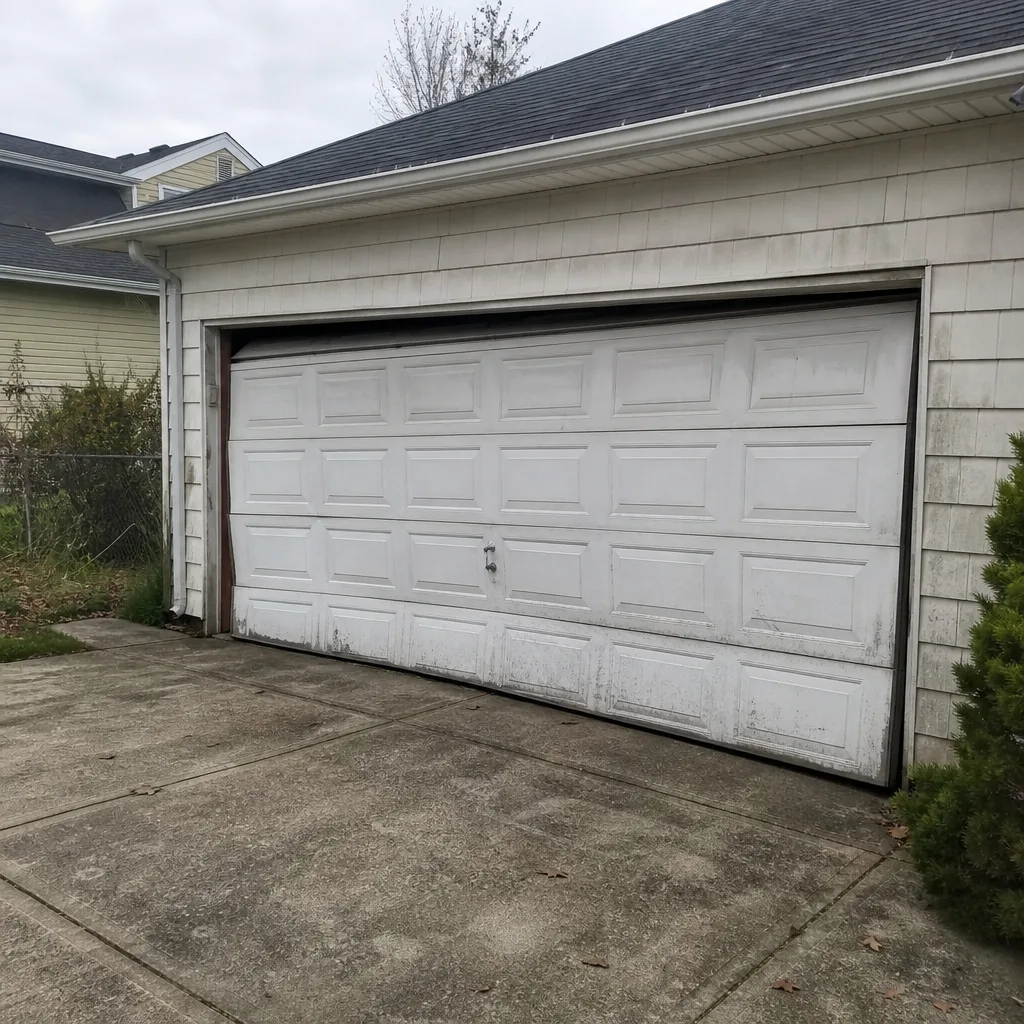
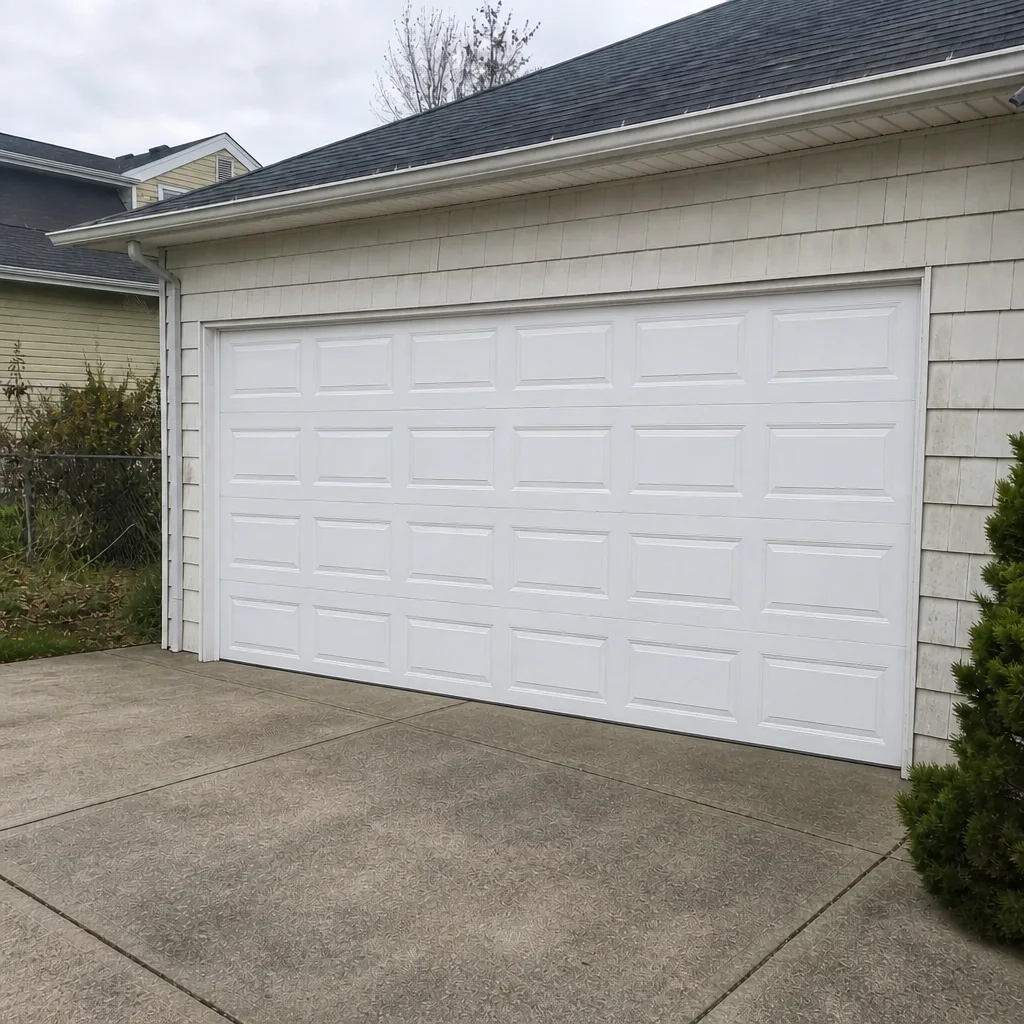
See the difference
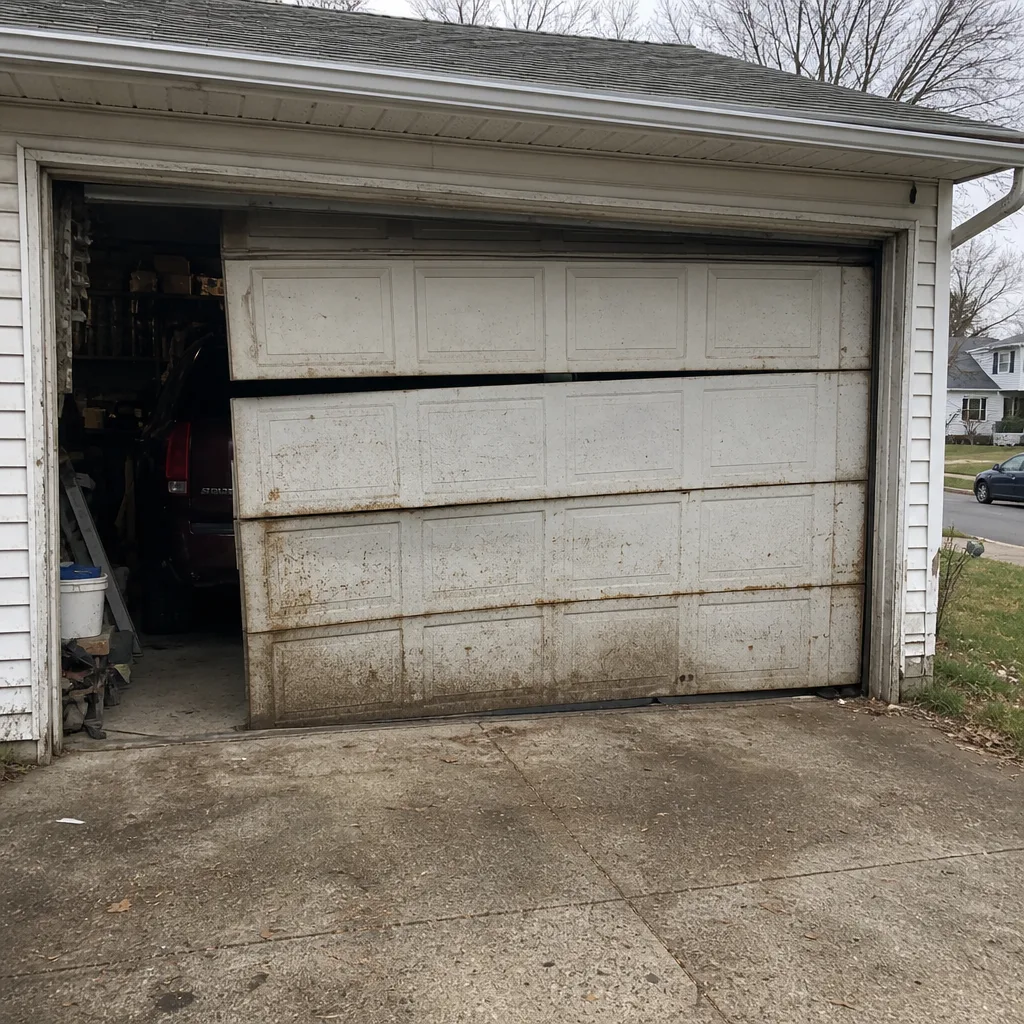 Before
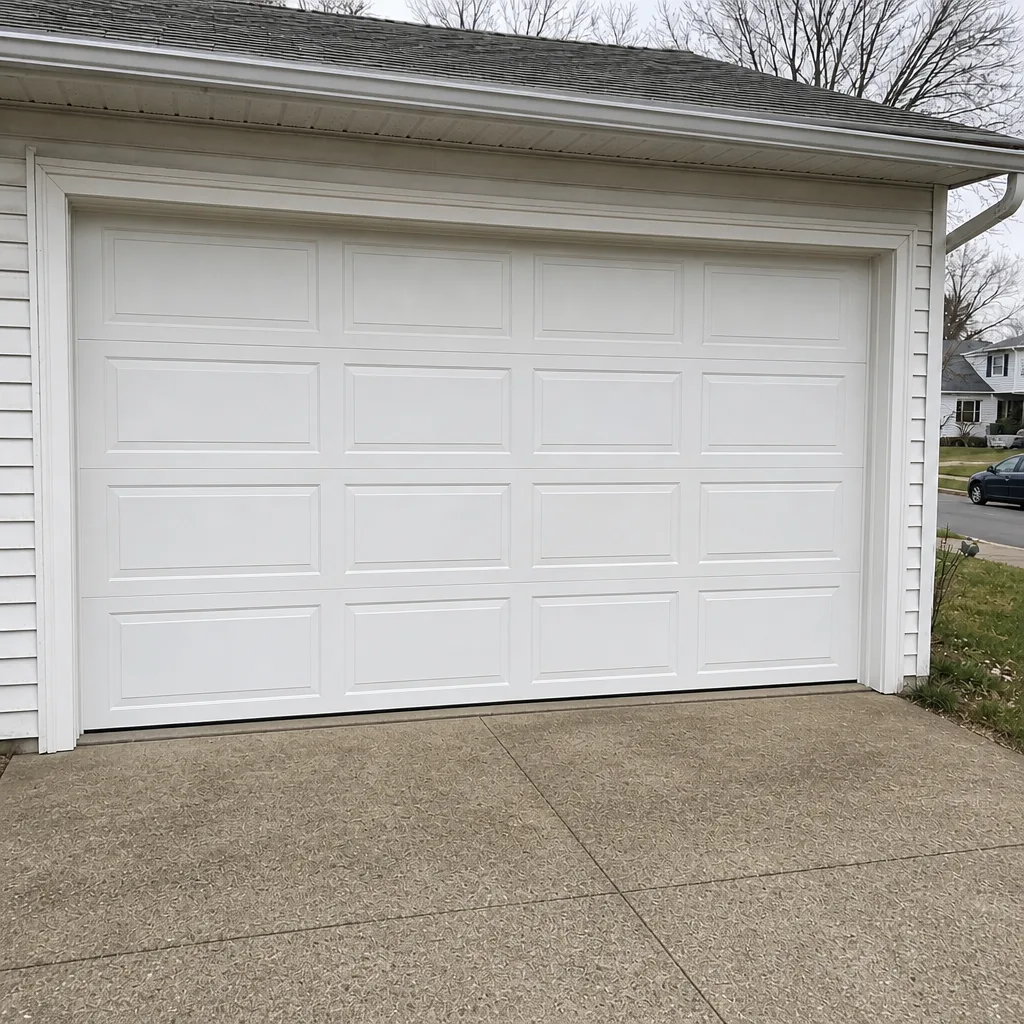 After
 Before
 After
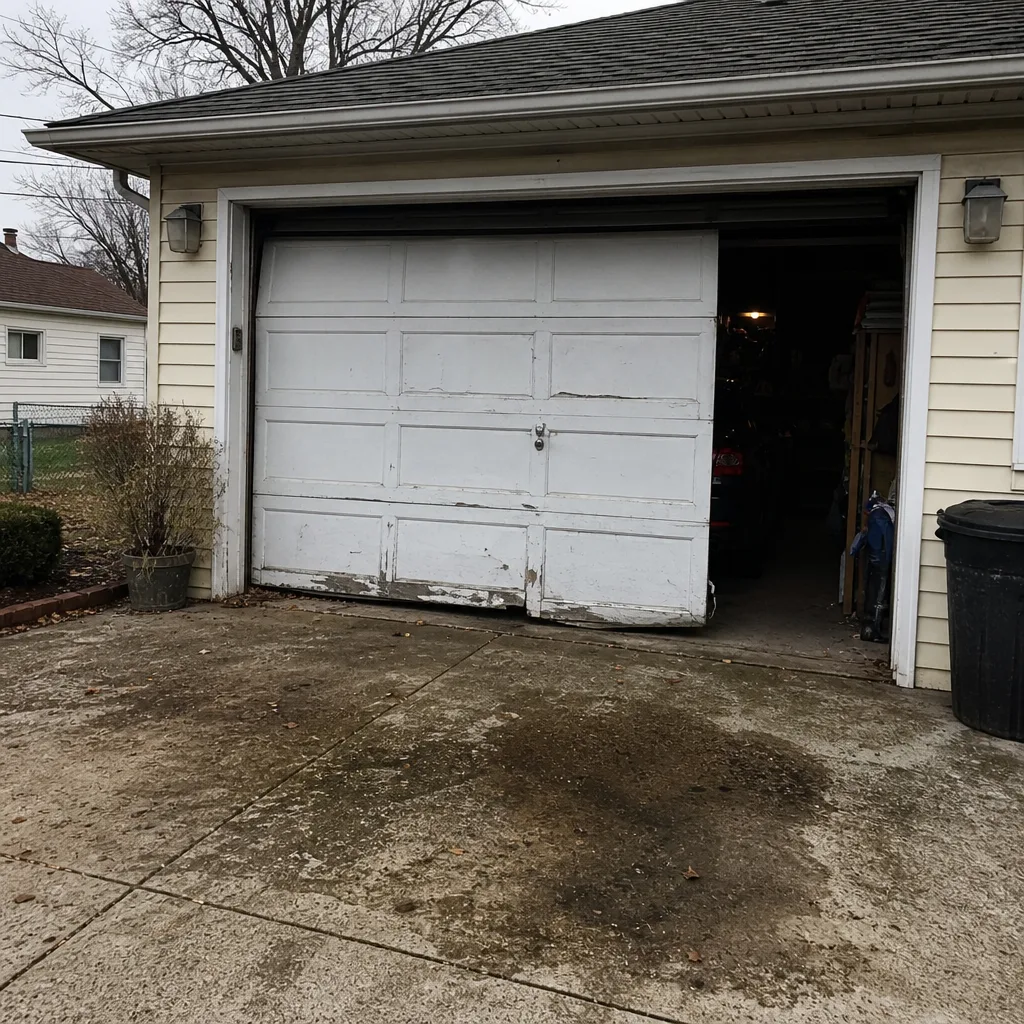 Before
 After
Frequently Asked Questions
New Jersey requires home improvement contractors to hold a registration with the state Division of Consumer Affairs and to carry liability insurance. Ask for the registration number in writing and look it up before hiring. It takes under two minutes, and a legitimate contractor will never hesitate to provide it.
Ask them to name the brand on your door and to describe the difference between a torsion and an extension spring. A real technician will answer both in seconds. A reseller will need to look it up or give you a vague answer. Call (855) 963-4043 for an exact quote – estimates are free.
For emergency situations like a door that won’t close or one blocking a vehicle, yes – emergency service is a standing offering. We answer 24/7. A call outside dispatch hours is booked into the next opening, Sunday through Friday, 7am to 7pm. Call (855) 963-4043 for the fastest response.
Torsion spring replacement typically runs $180 to $340 for one spring, and a matched pair usually costs about twice that since the pair is replaced together. Extension springs fall in a similar range. The written estimate sets the final price, and the price is quoted and agreed before any work starts. Call (855) 963-4043 to get an exact quote – estimates are free.
No. The price in the written estimate is the price you pay. The estimate is prepared after a look at the actual door, so it reflects what’s really there. If the scope of work changes because of something found during the job, we’ll talk to you before doing anything additional. Call (855) 963-4043 for a free estimate.
Both. We service LiftMaster, Chamberlain, Genie, Craftsman, and Raynor systems, including smart-home units like myQ and older mechanical models. Genie and Craftsman systems are some of the most common on West Side homes, and they’re a routine part of our work. Call (855) 963-4043 to confirm your specific model before booking.
The Bottom Line
Hiring a garage door contractor in West Side comes down to a few checks that take less time than the job itself: verify the state registration and insurance, ask the five questions that reveal whether the technician knows the work, and insist on a written scope of work before anyone starts. Multi-brand capability matters because your door shouldn’t stall on a “we don’t work with that brand.” A written estimate that names the parts, the labor, and the warranty is the only protection you have against the invoice growing after the fact. Most of the bad outcomes we hear about started with one skipped check. The good ones start with a phone call and a straightforward conversation about what your door actually needs.
Written by the team at Garage Door Repair West Side.