
Last updated November 21, 2026
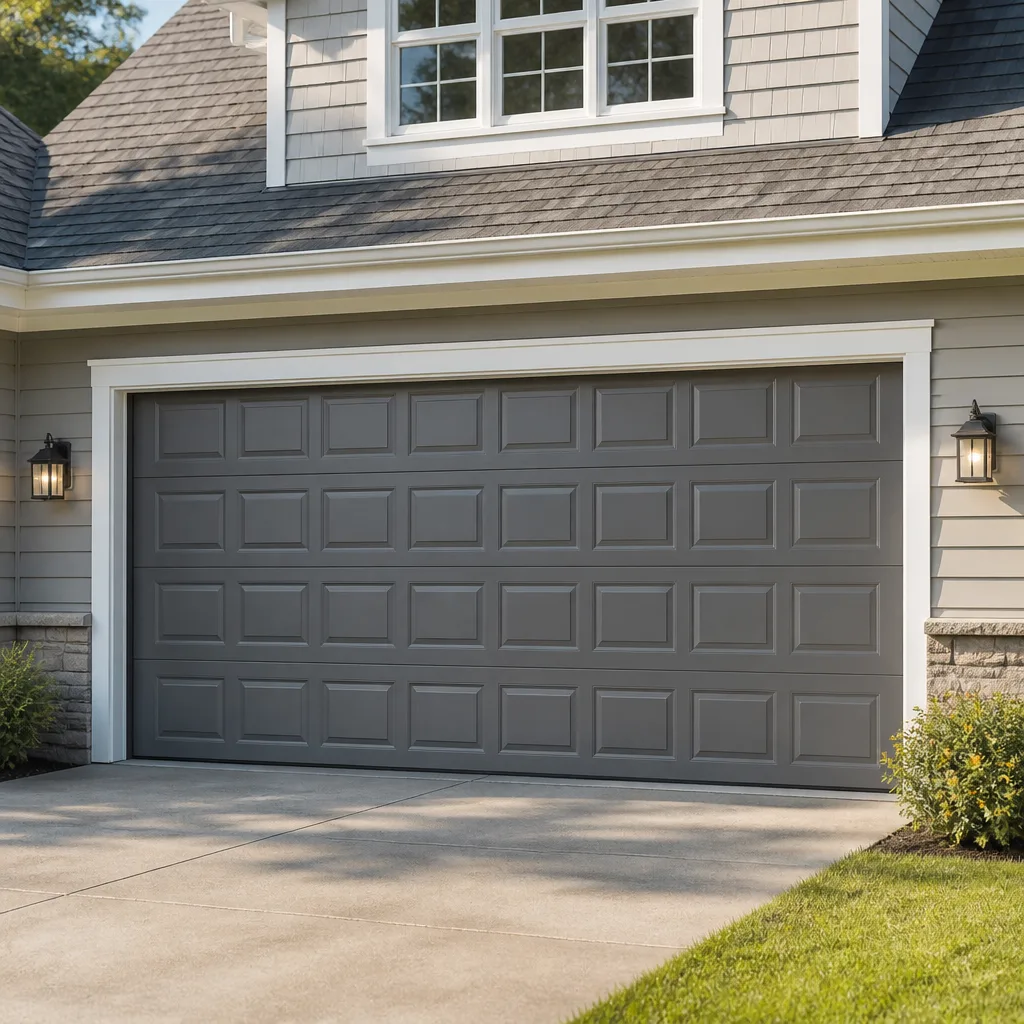 Raised-panel steel
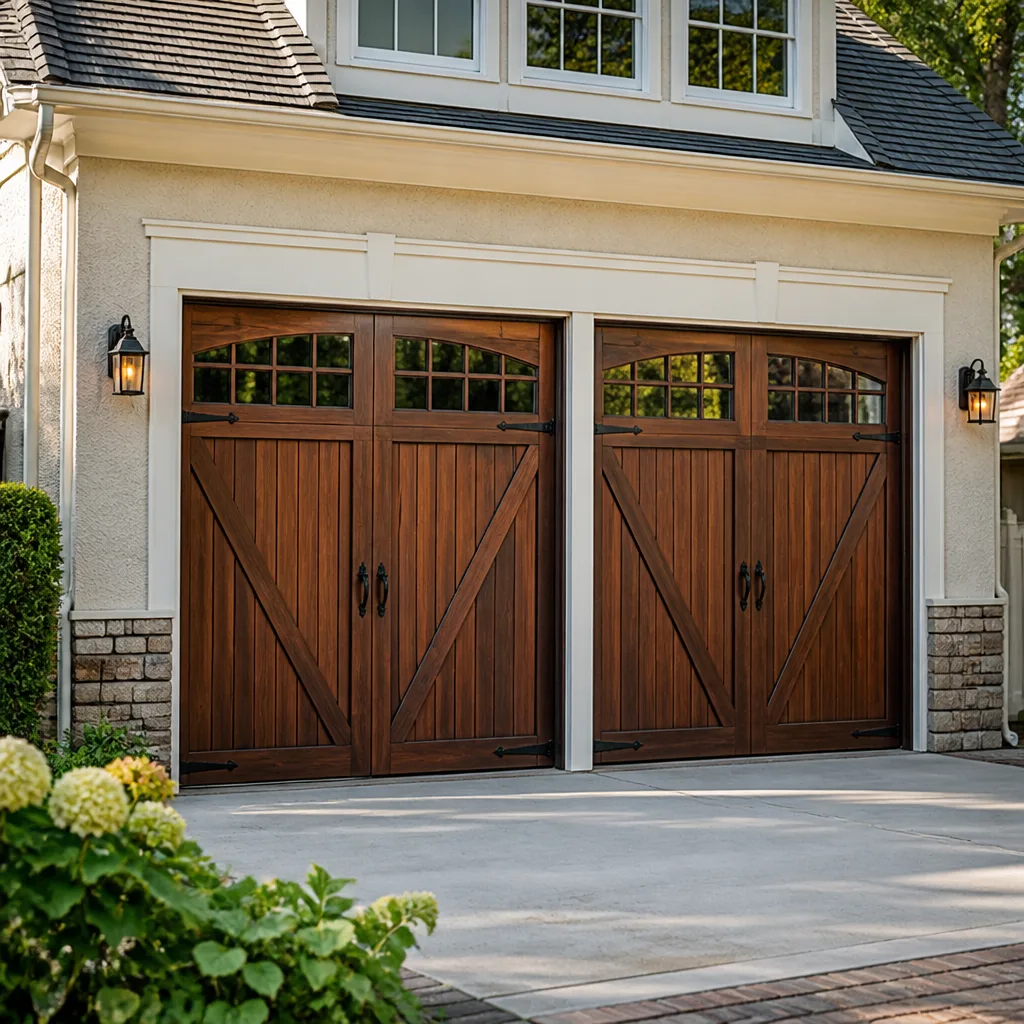 Carriage house
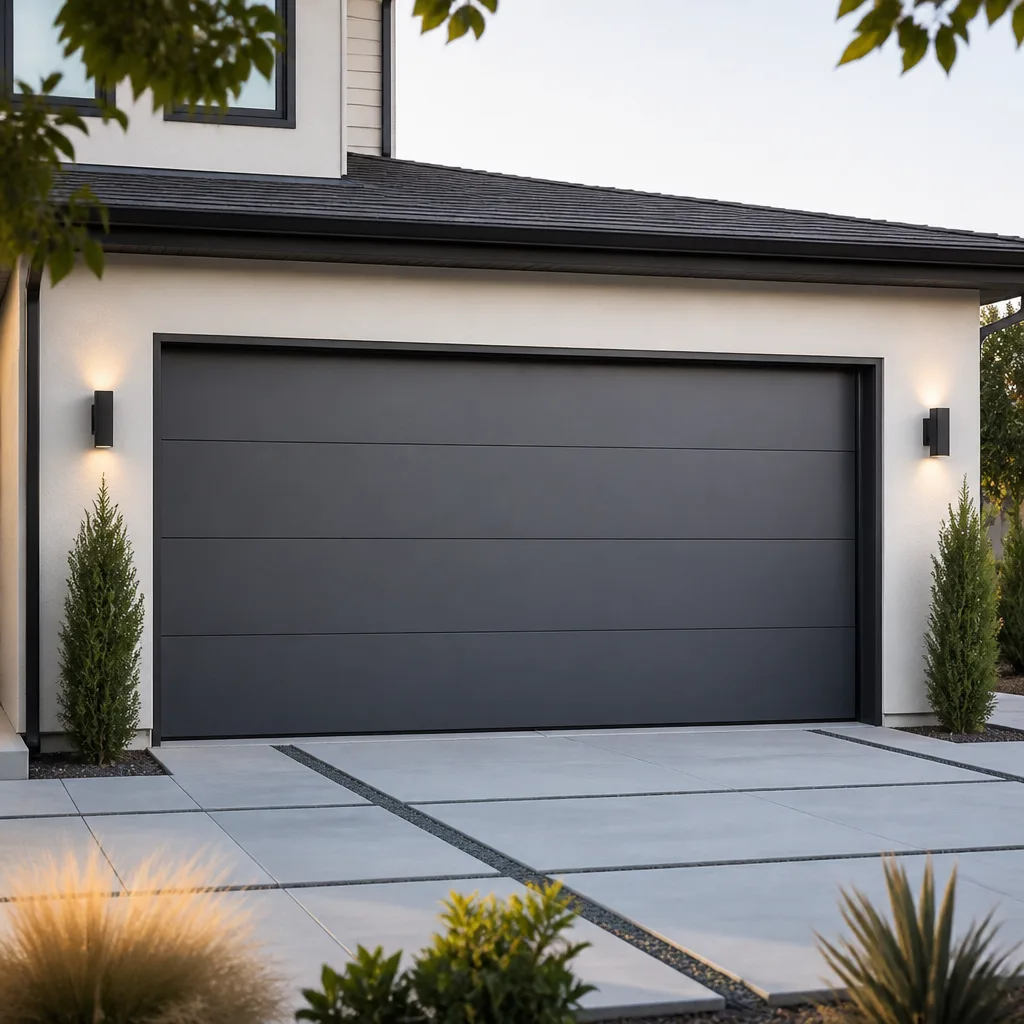 Modern flush
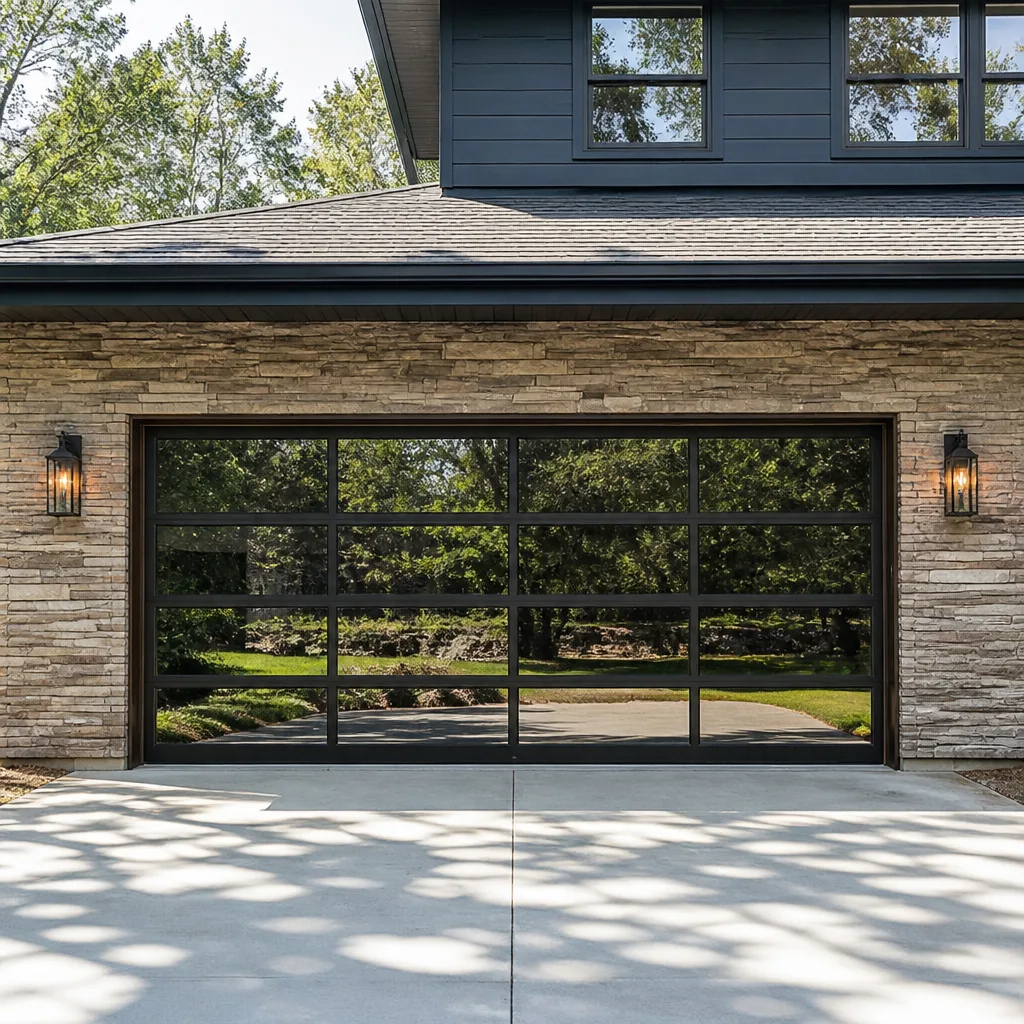 Full-view glass
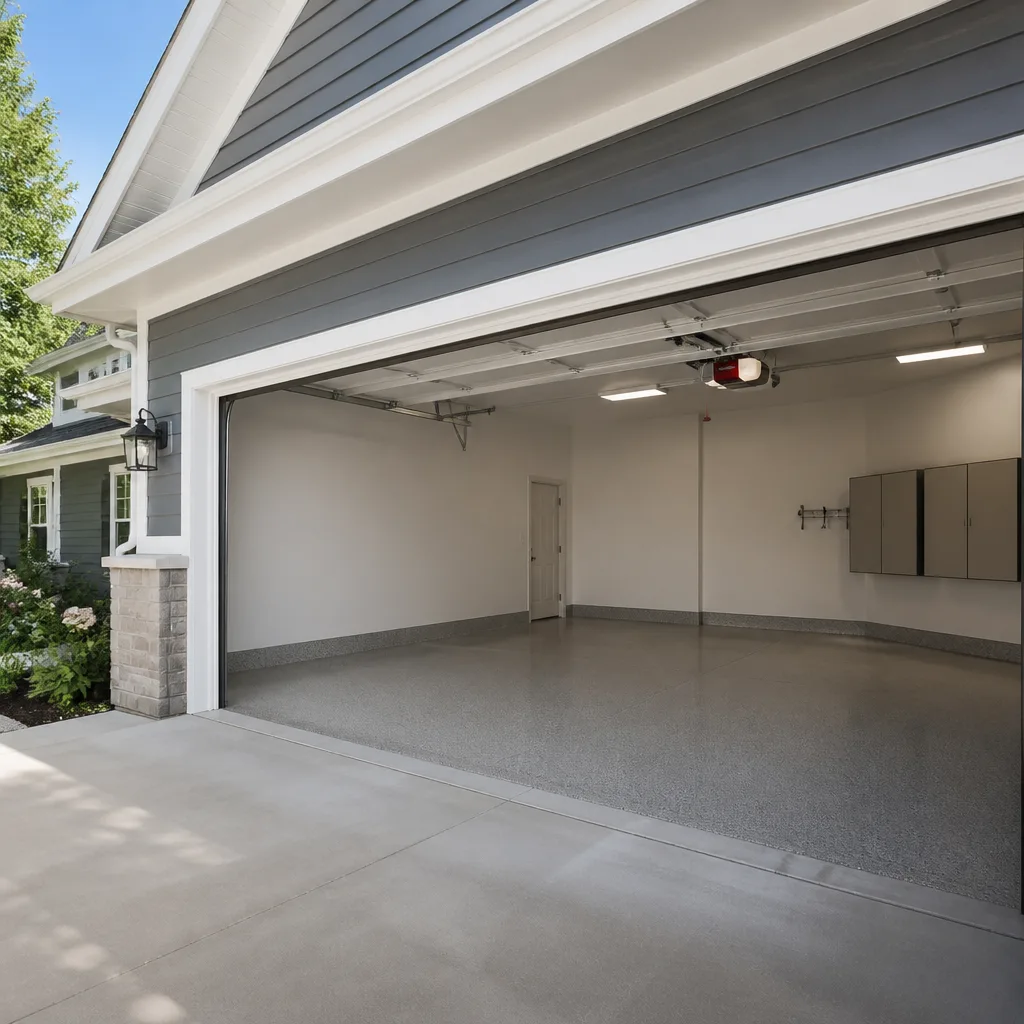 LiftMaster openers
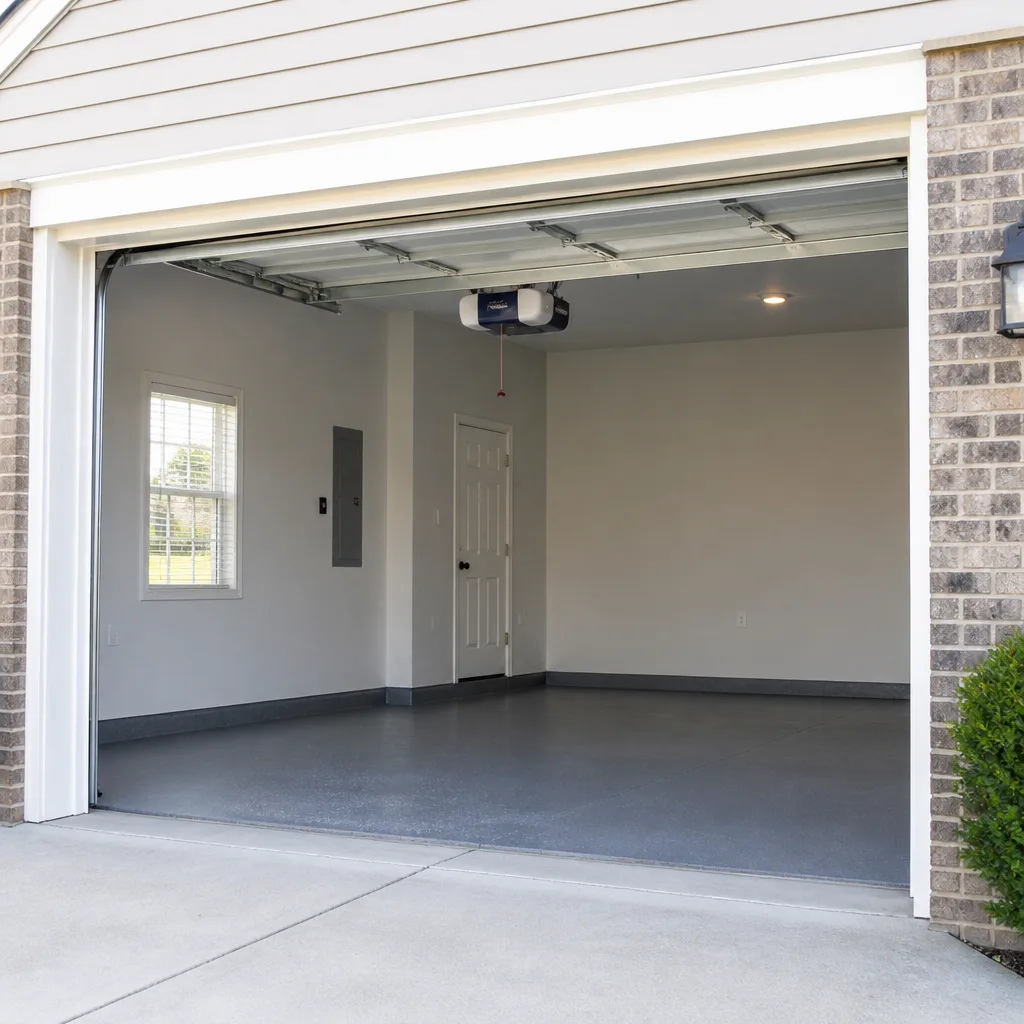 Chamberlain openers
Full 25-point door and opener safety check with every visit - springs, cables, rollers, tracks, and your LiftMaster or Chamberlain opener included
You get a price before we start. It does not change when the pro arrives.
Get your free estimateGarage Door Emergency Preparedness Guide for West Side Homes
When a garage door fails, the homeowner’s first reaction is usually the thing that makes it worse. Prying a stuck door, yanking a manual release under load, or propping a door open with a broom handle all feel like reasonable responses in the moment. In practice, each one can bend panels, damage an opener, or put someone in front of a loaded spring. What follows covers the four failures we see most often in West Side, the correct response in the first ten minutes, and how to tell whether a door needs attention tonight or can safely wait until morning.
Quick Answer
In a garage door emergency, the safest first move is almost always to stop touching the door and clear the area. A broken spring, a snapped cable, or a door off its track is a loaded-system failure – call a trained technician rather than trying to force it back into place. If a door is stuck open in bad weather, secure the opening from the inside with your car still parked where it is, and call for professional help the same day.
Styles & brands we work with
- Raised-panel steel
- Carriage house
- Modern flush
- Full-view glass
- LiftMaster openers
- Chamberlain openers
Table of Contents
- The First Ten Minutes: What to Do Before You Call Anyone
- The Four Most Common Garage Door Emergencies in West Side
- How to Use the Manual Release Safely – and When Not To
- Security When Your Door Is Stuck Open
- What to Have Ready Before You Call for Emergency Repair
- Tonight or Tomorrow? How to Judge Your Situation
- Prevention: Lowering the Odds of a Failure in West Side
- What Emergency Garage Door Work Typically Costs
The First Ten Minutes: What to Do Before You Call Anyone
The correct response to a failed garage door starts with not touching the door. A spring or cable carries tension even when the door looks broken and harmless, and the parts that fail under load can move unpredictably. The first ten minutes should be spent making the space around the door safe, not trying to solve the mechanical problem.
Here is the sequence we recommend to West Side homeowners:
- Clear the area. Move people, pets, and anything breakable out of the garage and off the driveway directly in front of the door.
- Stop operating the door. Don’t press the remote or wall button again to “see if it works.” Repeated cycles on a broken spring or bent track cause more damage and can drop the door.
- Check the vehicle situation. If a car is trapped inside and the door won’t open, leave the car where it is until you’ve spoken to a technician. A car can usually be moved once the door is fixed, and forcing the door to free it risks the whole system.
- Look, but don’t touch. From a safe distance, note what you see: a visible gap in a spring, a cable hanging loose, a door sitting crooked, or panels off the track. That information helps whoever you call.
- Call for help. Call (855) 963-4043. We answer 24/7. Fast dispatch from 7am to 7pm, Sunday through Friday.
The pattern holds no matter what failed. A door that won’t close, a door that won’t open, a spring that snapped in the cold – in every case, the first ten minutes belong to safety and information gathering, not to hands-on repair. That’s not a sales pitch; it’s the same advice we’d give a neighbor standing in their driveway in West Side.
One more thing worth knowing: a garage door can look completely normal after a spring breaks. The door goes up under opener power on some systems, then drifts down or slams when released. If your door suddenly feels much heavier to lift by hand, or the opener strain sounds different, stop using it and treat that as a spring concern.
The Four Most Common Garage Door Emergencies in West Side
Most of the emergency calls we receive fall into four categories, each with a different correct response. Knowing which failure you’re dealing with tells you how urgent the situation really is.
1. A Broken Spring
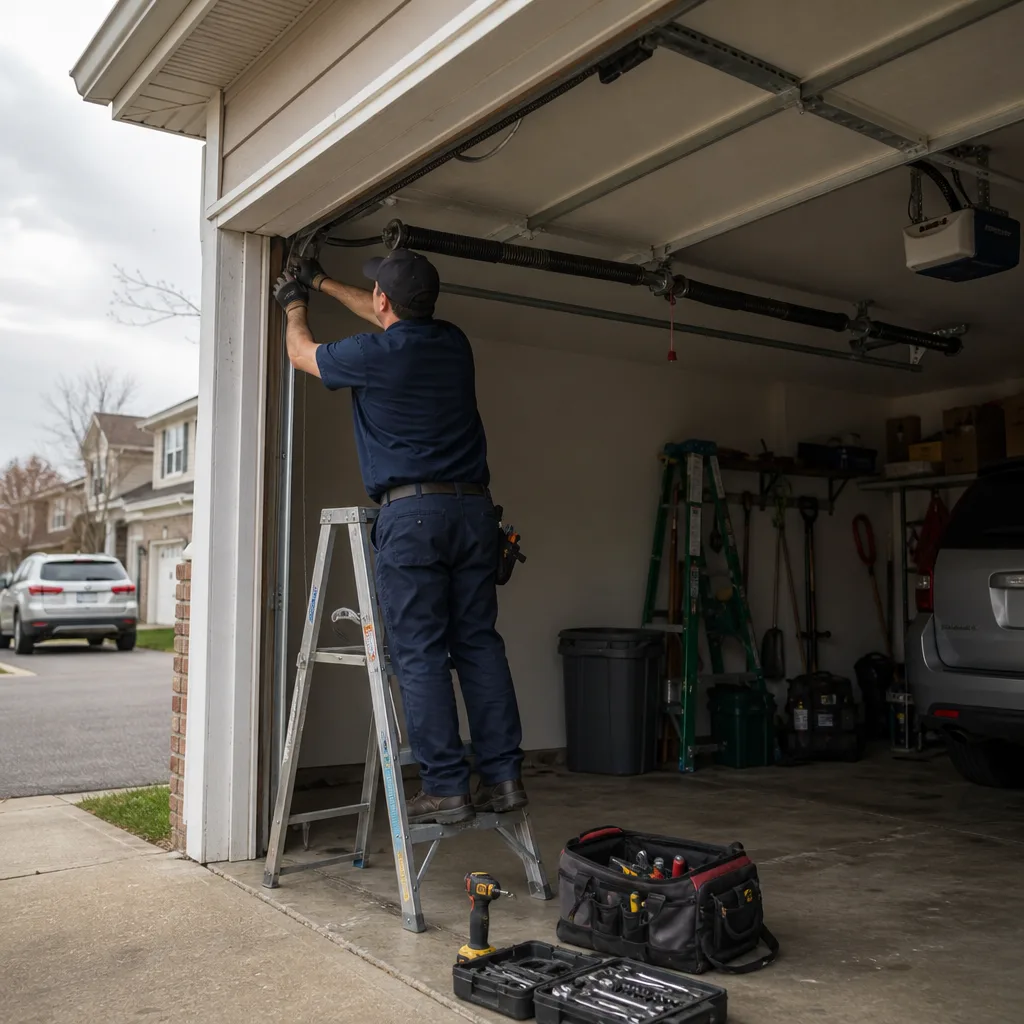
A torsion or extension spring that snaps is the single most common cause of a door that won’t lift. You may hear a loud bang from the garage; the door becomes very heavy or won’t move at all under opener power. Correct response: stop operating the door immediately and keep it closed if possible. Springs are high-tension parts, and the damage they cause during a failure is the reason most general handymen won’t touch them. Spring repair is a core service for us, handled by technicians who work on high-tension systems regularly. Call for same-day help rather than attempting to move the door.
2. A Door Off Its Track
An off-track door is usually bent, hanging at an angle, or jammed partway down. This often follows an impact or a worn roller, and it can happen with a variety of door brands, including Clopay and Amarr panels common on West Side homes. Correct response: don’t try to push the door back into the track. Track alignment and roller seating need to be reset by someone with the right tools, and a forced door can bend the panel beyond repair. Leave it where it is and call for a technician.
3. A Door Stuck Open in Bad Weather
This one is a security and weather concern more than a mechanical one. The door won’t come down, the house is open to the elements, and the homeowner understandably wants it fixed now. Correct response: secure the opening from inside and block the space, then call. Getting the door down is a repair job, not a pull-until-it-moves job.
4. An Opener Failure
Sometimes the door itself is fine but the opener won’t respond. Frustrating and often fixable, but rarely dangerous. Correct response: check the wall switch (not just the remote), make sure the opener has power, and look for anything blocking the safety sensors near the floor. If the door doesn’t move after those checks, it’s time for garage door opener repair. Modern LiftMaster and Chamberlain systems, and older Craftsman and Genie units, all fail in fairly predictable ways, and a technician can usually tell in minutes which part is at fault.
How to Use the Manual Release Safely – and When Not To
Every automatic opener has a manual release, and most homeowners have never used it. The release is designed for a power outage, not for a broken door, and using it at the wrong time is genuinely dangerous. Here’s how to think about it.
How the Release Works
On a standard opener, you pull a cord hanging from the carriage assembly on the rail. That disconnects the opener from the door, so the door moves by hand. The sequence matters:
- Make sure no one is standing in the path of the door.
- Close the door fully before pulling the release, if the door is working normally.
- Pull the cord once and listen for the carriage to disengage.
- Move the door slowly by hand, supporting it as you go.
When NOT to Pull It
Never pull the manual release when a spring is broken, a cable is snapped or loose, or the door is off its track. Without a working spring, the door is far heavier than it should be, and releasing it from the opener can send it down fast and hard. Never pull the release with the door partway open and no one supporting it. And never pull it under the assumption that “the door will be lighter than it looks.” It won’t be.
If you’re not sure which situation you’re in, don’t pull the release. Call and describe what you see. We answer 24/7. A call outside dispatch hours is booked into the next opening, Sunday through Friday, 7am to 7pm.
Security When Your Door Is Stuck Open
A door stuck open overnight creates a real security problem, and the instinct to fix it with something quick usually creates a false sense of security. A broom handle, a piece of lumber propped against the door, or a rope tied to a track all look helpful and all fail under any real pressure. Worse, some of these makeshift fixes put weight on a damaged system and make the eventual repair worse.
What actually works is securing the opening from the inside, not the door itself. A few practical steps:
- Park inside or pull the car up close if you can. A vehicle parked just inside or directly in front of the opening is a real physical barrier.
- Close the door between the house and the garage. It should be locked and treated as your actual perimeter for the night.
- Use interior lighting. Keeping a light on in or near the garage is a deterrent; it also makes the space easier to check from inside the house.
- Skip the ladder and the rope. Neither will stop a determined person, and both can fail onto the car or the door.
- Book the repair now, not later. Calling for same-day service is the fastest route back to a closed, locked door.
What creates a false sense of security is propping the door with something that holds it “mostly closed” while leaving a gap. A door that’s three-quarters closed looks closed from the street and isn’t. If the door won’t come down at all, secure the interior and call.
What to Have Ready Before You Call for Emergency Repair
The quality of the help you get on the phone depends on what you know when you call. Having the right information ready means faster, more accurate advice, and a better chance of the right parts arriving the first time.
Before you dial, be ready with:
- What the door is doing: won’t open, won’t close, off the track, hanging crooked, or making a particular noise.
- What you can see: a snapped spring, a loose cable, a bent panel, any visible damage.
- The door brand and opener brand, if you know it. Brands like Clopay and Amarr on the door; Chamberlain, Genie, or LiftMaster on the opener are especially common in West Side homes.
- Approximate door size and type: single or double, sectional or one-piece, and how many years ago it was installed if you know.
- Whether a vehicle is trapped inside. This may affect how the repair is prioritized.
- The address and any access notes: driveway width, narrow street entry, gate codes, anything that affects how a technician reaches you.
Brand information matters more than most people expect. Our technicians work on eight of the most widely installed brands: LiftMaster, Chamberlain, Genie, Clopay, Amarr, Wayne Dalton, Craftsman, and Raynor. Knowing which system is on your home lets the technician bring the right parts and know the tolerances for that door before arriving. That’s not a small thing on an emergency call.
If you don’t know the brand, don’t worry. A technician can identify it quickly once on site. But if the label is visible on the opener or the door panel, note it before you call.
Tonight or Tomorrow? How to Judge Your Situation
Most garage door failures can safely wait until the next morning if the area is secured. A small number genuinely can’t. Here’s how we sort them, and how you can sort your own situation.
Usually Safe Until Morning
- A door that won’t open, but is closed and stays closed.
- An opener that won’t respond, with the door manually secured.
- A door that runs roughly but still opens and closes fully.
- A noisy or slow door with no visible damage.
Call Now
- A door hanging off its track or sitting crooked, especially if it’s resting on a vehicle or blocking access.
- A broken spring where the door is stuck open and the home is exposed.
- A door stuck open at night with no way to secure the opening.
- Any situation where a child, pet, or vehicle is at risk of being caught.
If you’re not sure which side of that line you’re on, call and describe it. We answer 24/7. Fast dispatch from 7am to 7pm, Sunday through Friday.
For West Side homes, the season affects the answer. Cold snaps are hard on springs, and a break during a cold night leaves the door stuck in whatever position it failed. If the door is closed and secure, morning is fine. If it’s not, it needs attention now.
Prevention: Lowering the Odds of a Failure in West Side
Emergency preparedness is mostly about reducing the chance of an emergency in the first place. A few habits make a real difference.
- Test the safety sensors monthly. A sensor that’s out of alignment is one of the most common reasons a door won’t close. A two-minute check catches it early.
- Listen for changes. A door that’s suddenly louder, slower, or juddering is telling you something. Get ahead of it.
- Look at the springs. From a safe distance, check for visible gaps or rust on torsion springs. Don’t touch them; just look.
- Keep the tracks clean. Grime and debris cause rollers to wear and can lead to an off-track failure.
- Balance the door occasionally. Disconnect the opener (with the door closed) and lift the door partway by hand. It should feel manageable. If it feels extremely heavy, plan a service call before it becomes an emergency.
- Don’t skip the annual look-over. A quick inspection catches wear before it becomes a breakdown. If anything looks off, schedule garage door repair.
When it’s time for a new door, or an aging one has more repair history than it’s worth, garage door installation across leading brands resolves a lot of future emergencies in one move. A door that’s installed correctly with a properly rated spring lasts longer and fails less.
What Emergency Garage Door Work Typically Costs
You can’t plan an emergency, but you can know what to expect. The ranges below are typical estimates for the kind of work we do in West Side; the written estimate you get before any work starts is the number that sets the price.
| Work | Typical Cost Range |
|---|---|
| Single torsion spring replacement (one spring) | $180-$340 per spring |
| Matched pair (both springs replaced together) | About twice the single-spring range |
| Cable replacement | $120-$260 |
| Track realignment or roller replacement | $150-$320 |
| Opener repair (diagnostic and part) | $180-$380 |
Prices are confirmed before we start and we don’t add to them afterward. If the estimate changes on arrival because the problem is more extensive than the phone description suggested, you’ll hear about it before any work begins, not after.
Common Mistakes to Avoid
- Forcing a stuck door. A door that won’t move usually won’t move for a reason – a broken spring or a jammed track. Pushing harder bends panels and lines up a much bigger repair.
- Using a broom handle or lumber to prop a door open or closed. It creates a false sense of security and can fall onto the car or jam the track. Secure the interior of the garage instead.
- Pulling the manual release on a broken door. The release is for power outages, not for failed springs. Used at the wrong moment, it’s genuinely dangerous.
- Calling a general handyman for a spring or cable repair. Spring work is a load-bearing, high-tension job. It needs a technician who works on these systems regularly.
- Continuing to press the remote after a failure. Repeated cycles strain a damaged system and can drop the door. Stop after the first failed cycle.
- Waiting until the door won’t stay closed at all. Many West Side emergencies were preceded by weeks of “it sticks a bit, but it works.” Small symptoms are the cheapest thing to fix.
- Leaving a door stuck open all night without a plan. Deciding to “just go to bed” with the garage open is a security gamble. If the door is open, secure the interior and call.
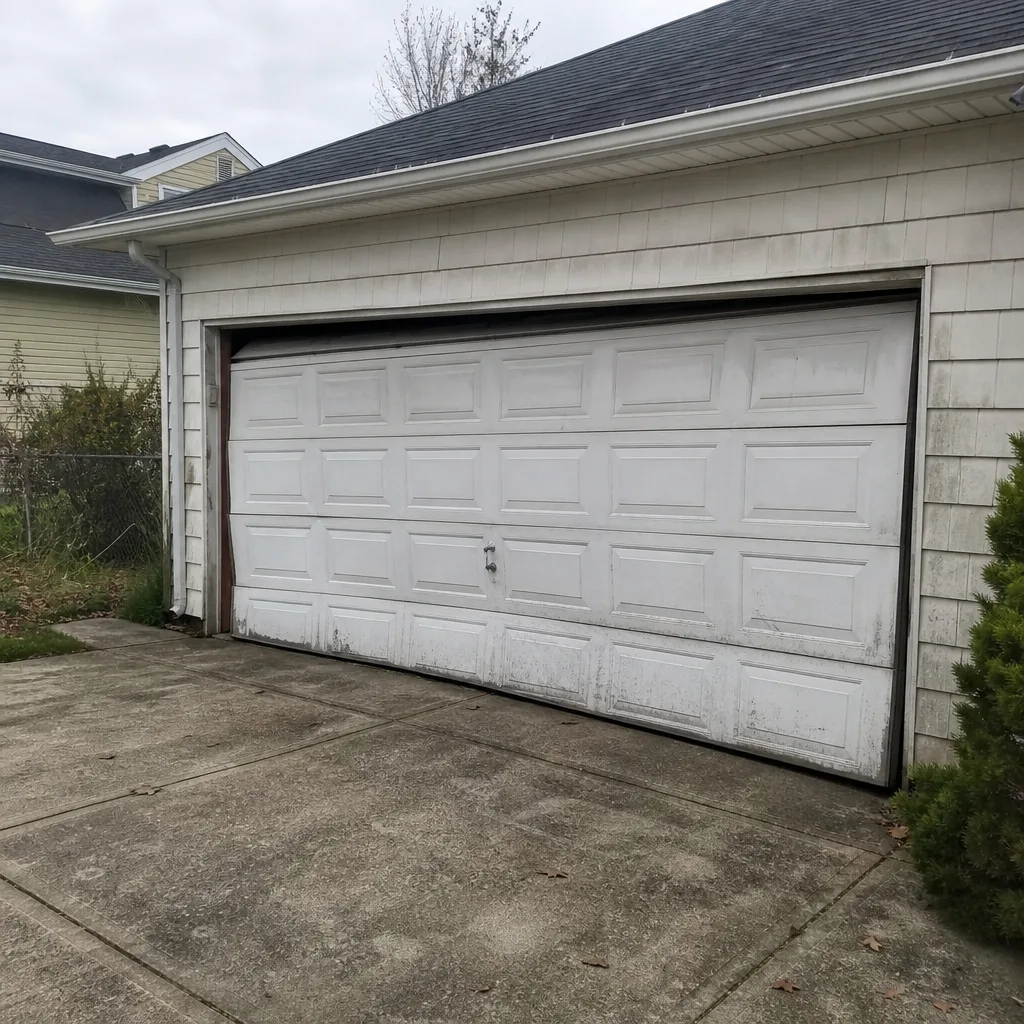
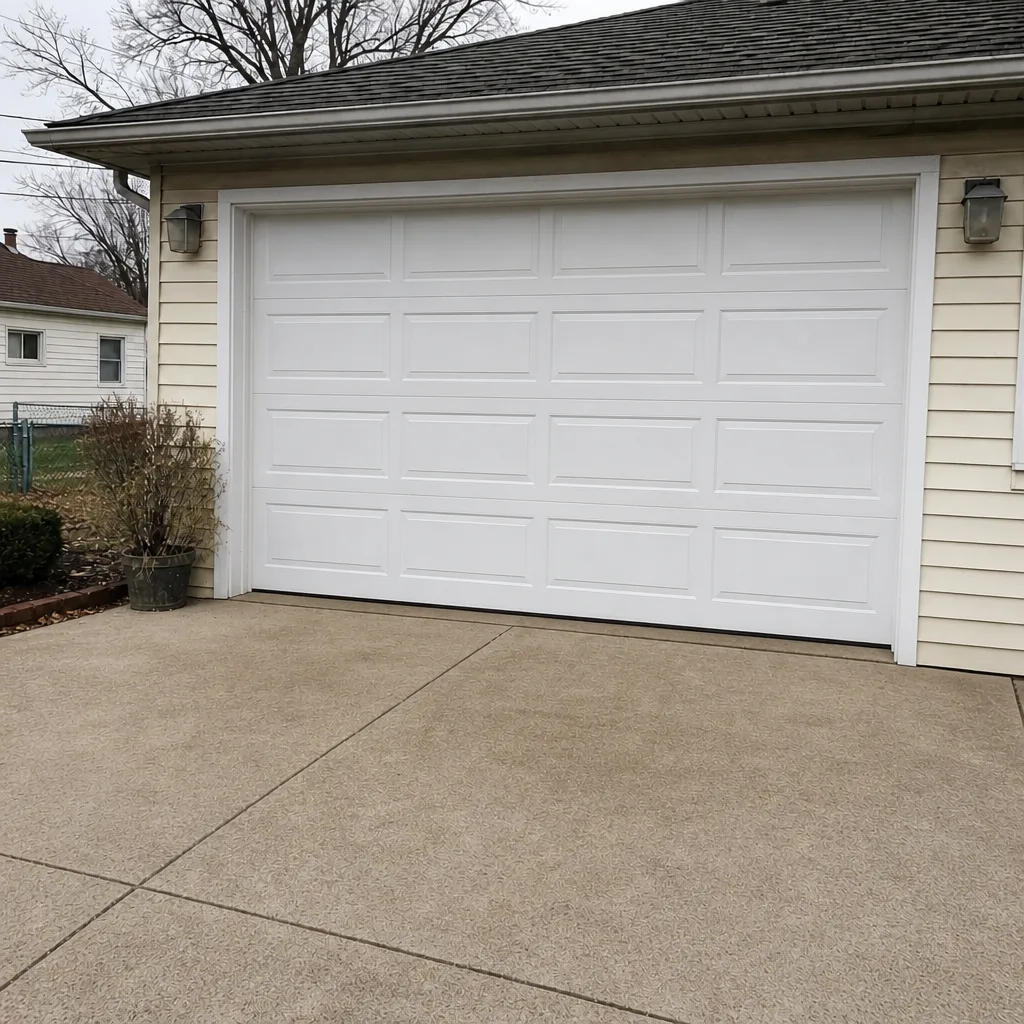
See the difference
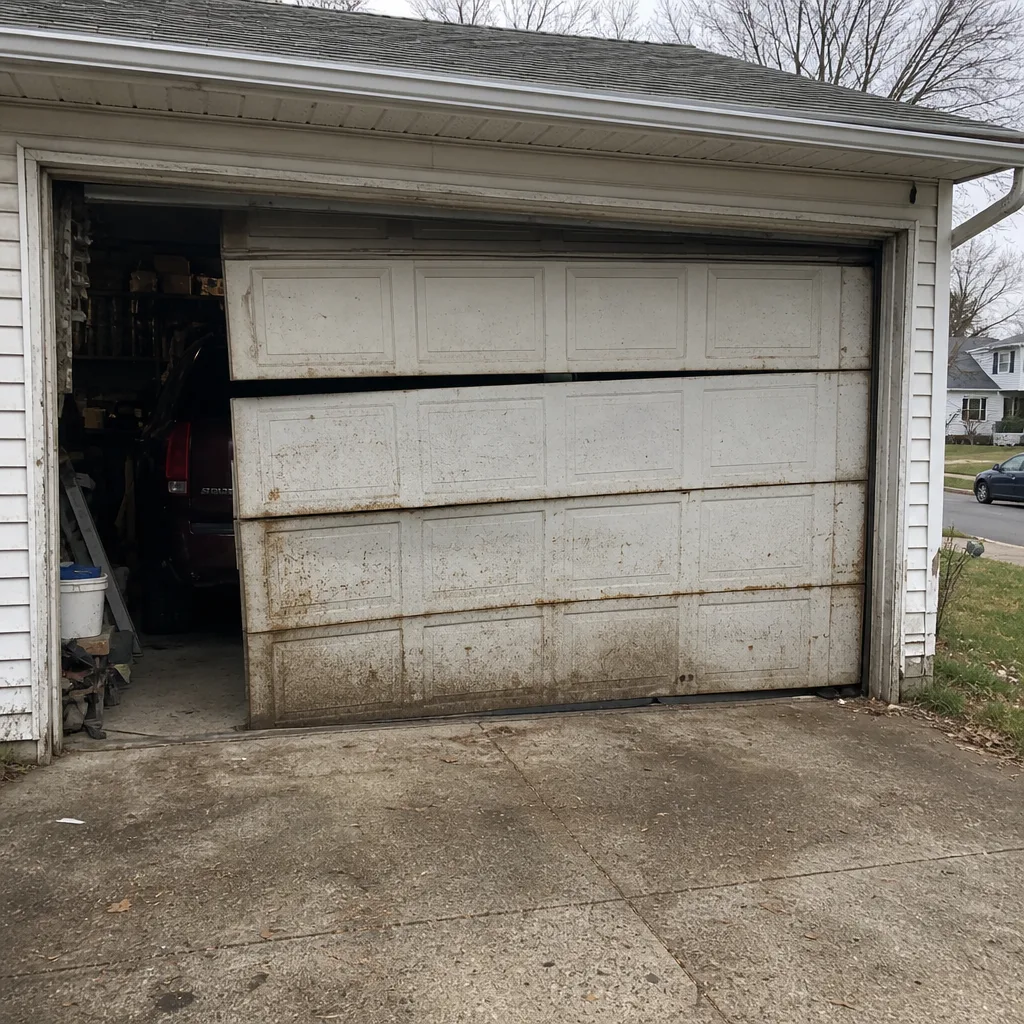 Before
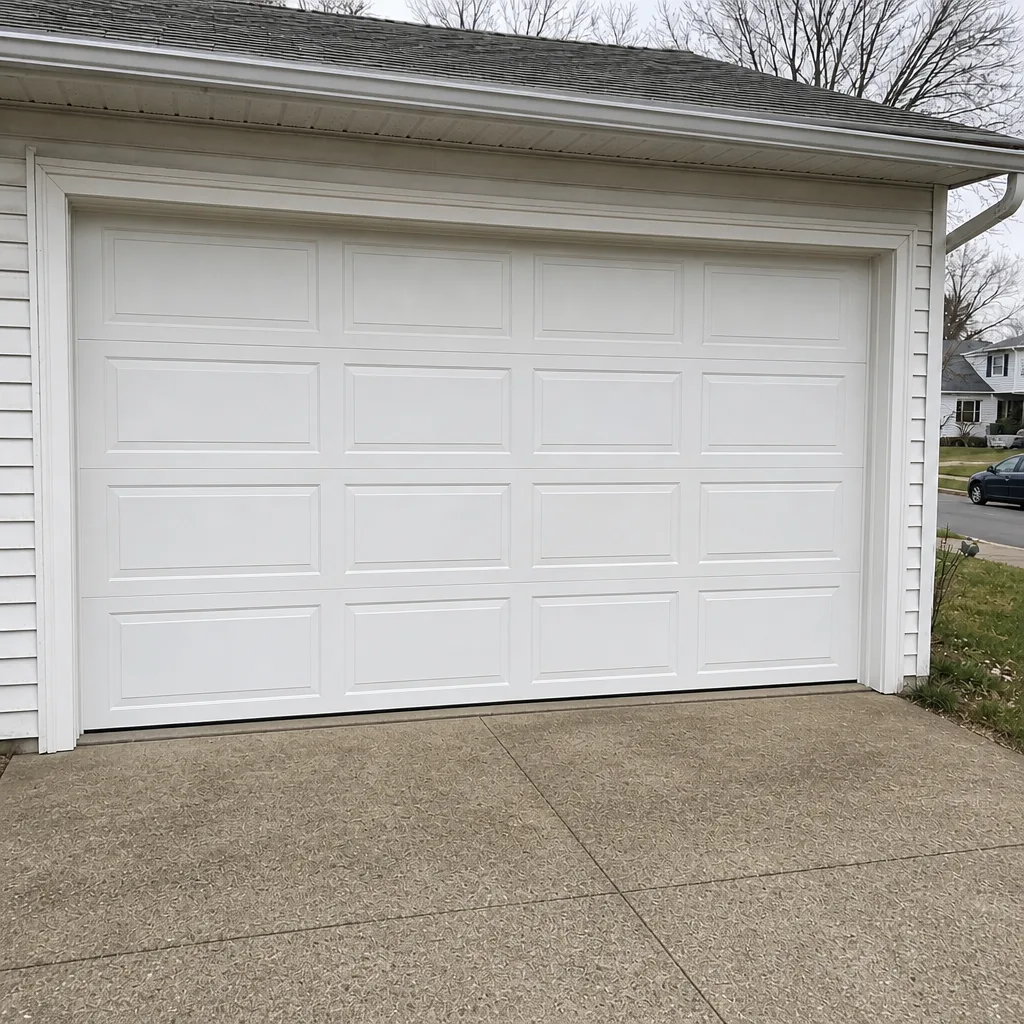 After
 Before
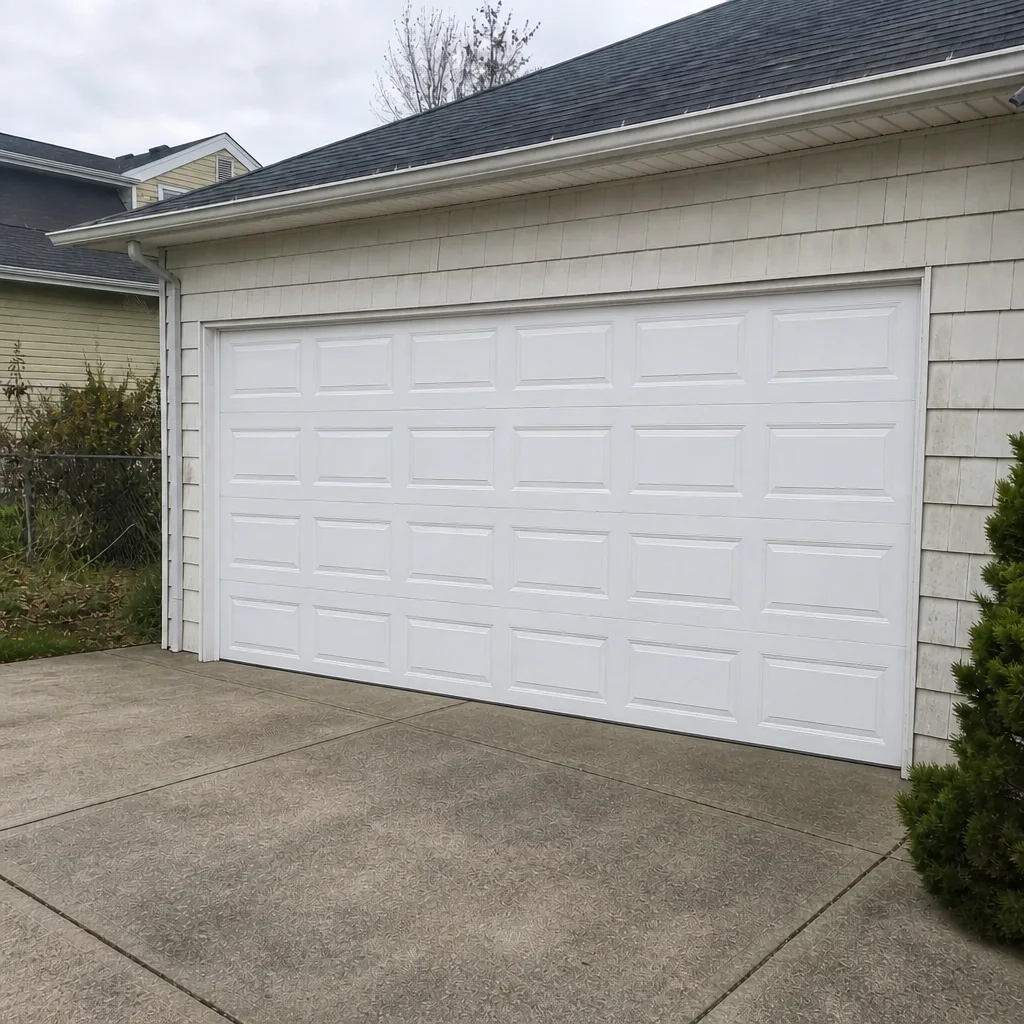 After
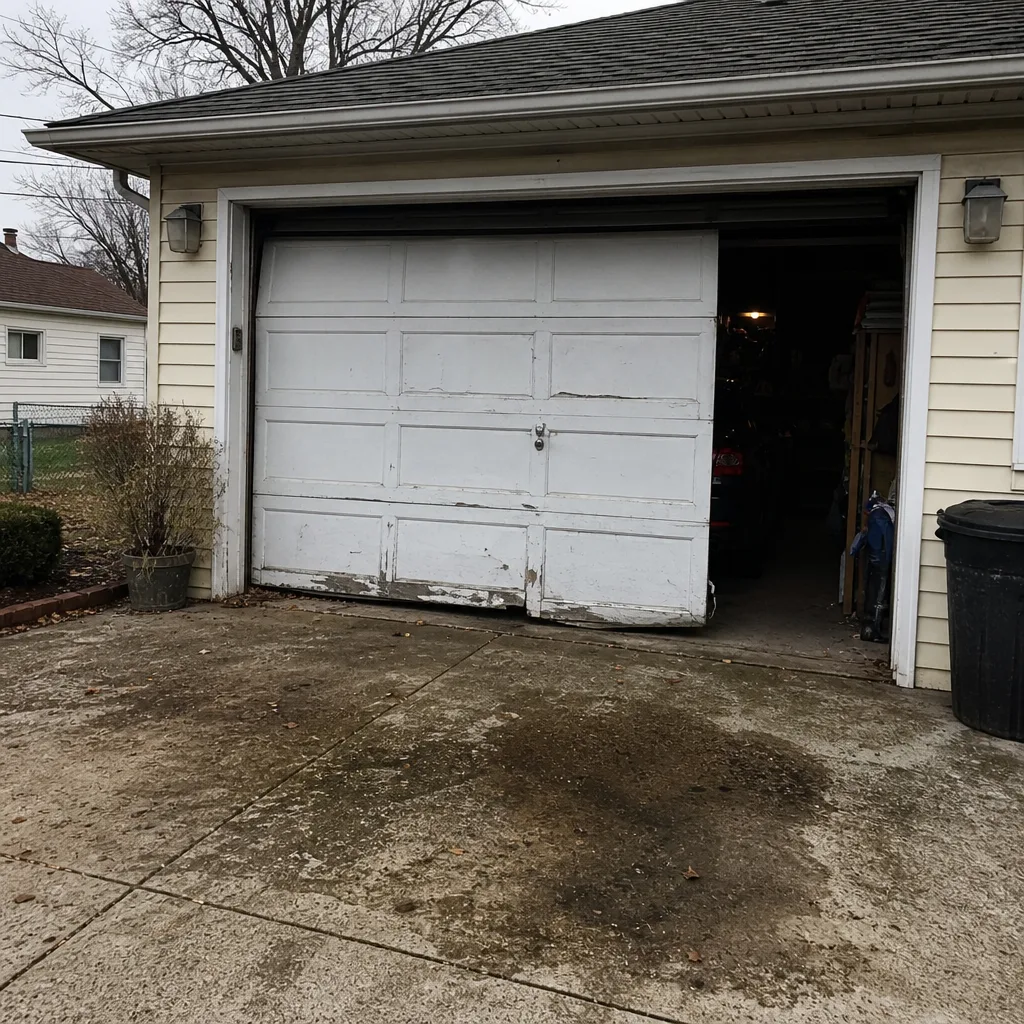 Before
 After
When to Call a Professional
Call a professional for anything involving springs, cables, tracks, or the opener’s internal mechanics. Those components are loaded and can cause injury, and a botched repair tends to make the next repair more expensive. If the door won’t close, if it’s off its track, if a spring is visibly broken, or if the opener won’t respond after basic checks, that’s a call. If a vehicle is trapped and you’re on a timeline, say so when you call and we’ll prioritize it accordingly.
Garage Door Repair West Side offers free estimates in West Side – call (855) 963-4043. We answer 24/7. Fast dispatch from 7am to 7pm, Sunday through Friday. For openers, our brand specialization covers LiftMaster, Chamberlain, Genie, Clopay, Amarr, Wayne Dalton, Craftsman, and Raynor, so you won’t be told “we don’t work on that brand.” For general service, see the Garage Door Repair West Side overview.
Frequently Asked Questions
No, don’t force it. A door with a broken spring is extremely heavy, and trying to lift it by hand or through the opener can damage the door or cause injury. Leave the door closed if possible and call for repair.
It depends on whether the door is secured. A door stuck closed and locked can usually wait until the next dispatch window. A door stuck open, off its track, or hanging above a vehicle should be treated as urgent.
Most repairs fall into the ranges above – spring replacement around $180-$340 for a single spring, cable work around $120-$260, and opener repair around $180-$380 – but the written estimate before any work starts sets the final price. Call (855) 963-4043 for an exact quote; estimates are free.
Only if the on-site inspection reveals something the phone description didn’t capture, like additional damage to a track or panel. If the price needs to change, you’ll hear about it and agree to it before any work begins. The written estimate is the number that matters.
Only if there’s no broken spring, no snapped cable, and the door is on its track. If any of those are in question, don’t. Releasing a loaded door by hand is how people get hurt.
We work on LiftMaster, Chamberlain, Genie, Clopay, Amarr, Wayne Dalton, Craftsman, and Raynor. That covers the vast majority of residential systems in the area, from smart-home connected openers to older mechanical units.
The Bottom Line
A garage door emergency is decided in the first ten minutes. Stop operating the door, clear the area, and call rather than force it. Know the four most common failures – springs, cables, off-track doors, and opener failure – and know that the correct response to three of them is to leave the door alone. If the door is secured, most failures can wait until the next dispatch window. If it’s open to the street or hanging off its track, don’t wait. Keep the manual release for power outages. Secure the interior of the garage, not the door, when something’s stuck open. Have your brand information ready. Call (855) 963-4043 for a free estimate. We answer 24/7. Fast dispatch from 7am to 7pm, Sunday through Friday.
Written by the team at Garage Door Repair West Side.