
Last updated November 21, 2026
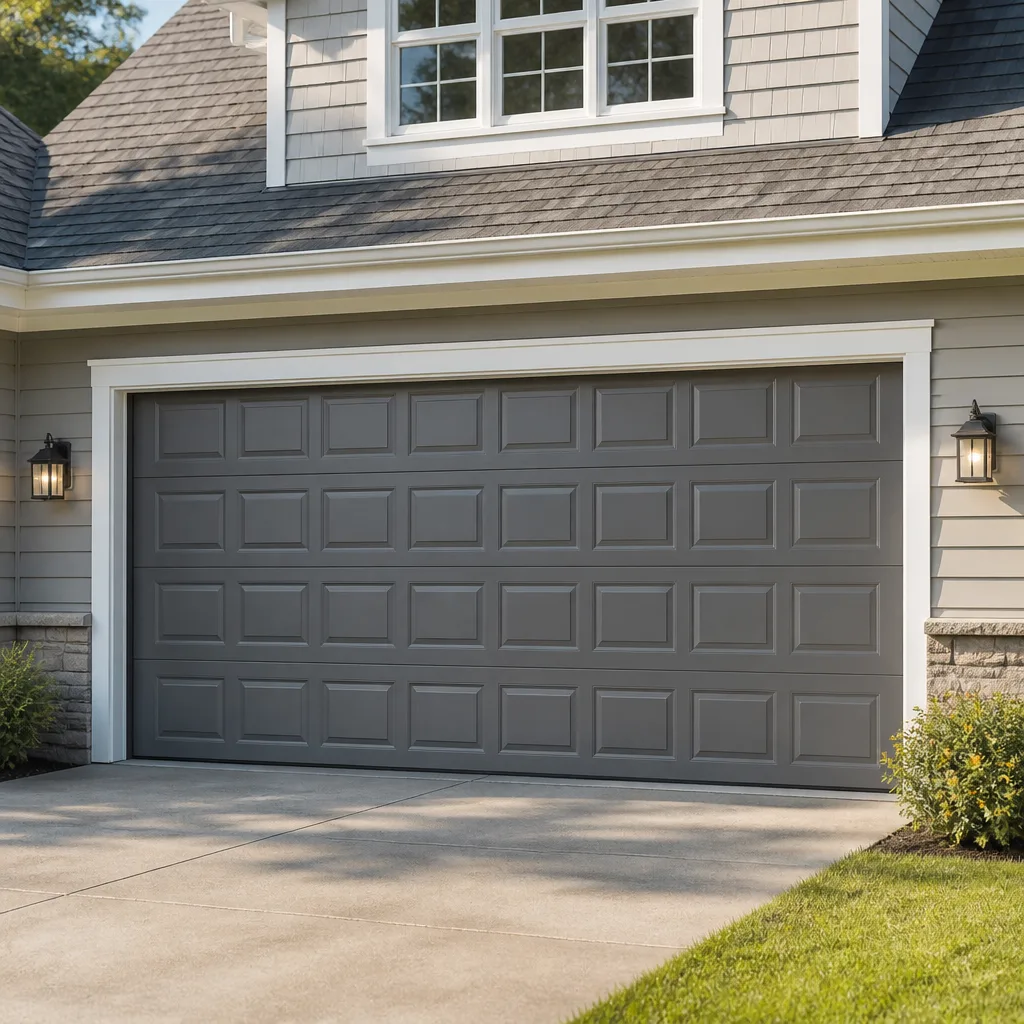 Raised-panel steel
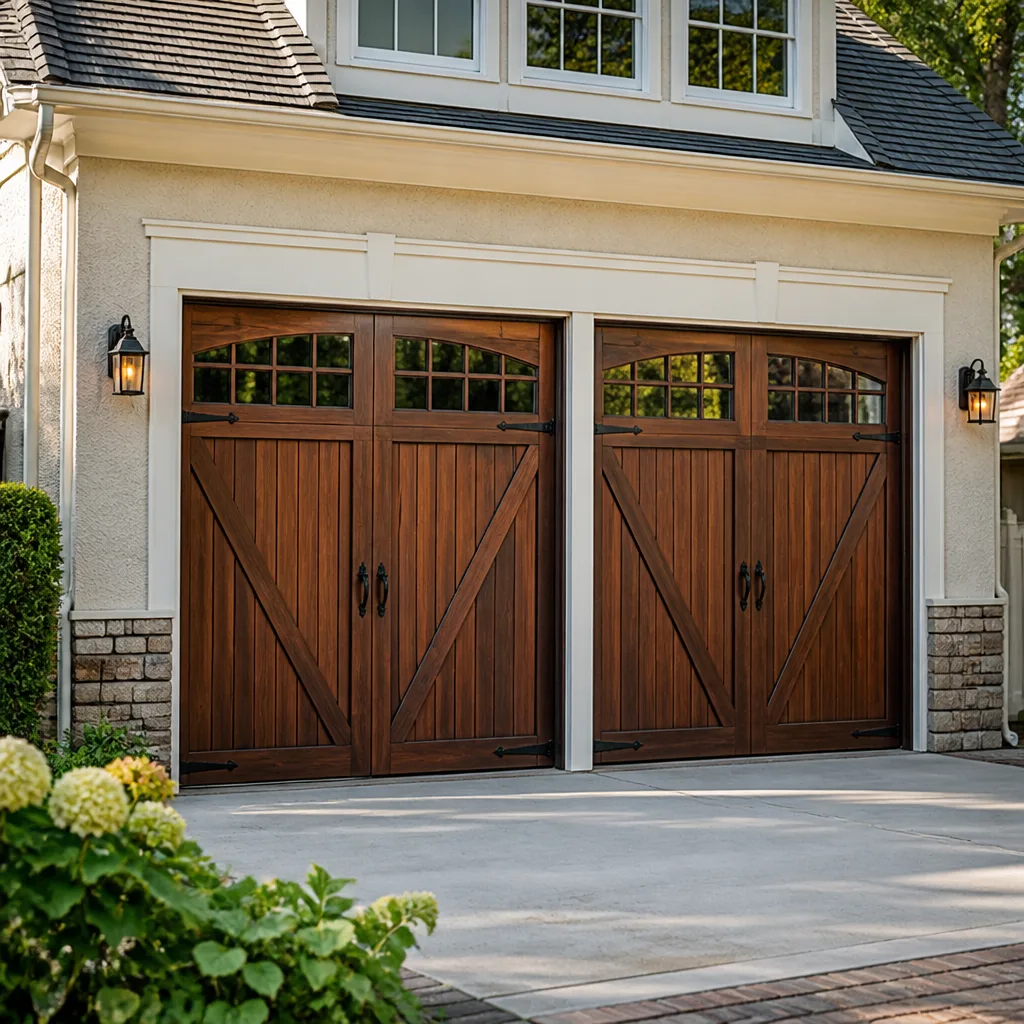 Carriage house
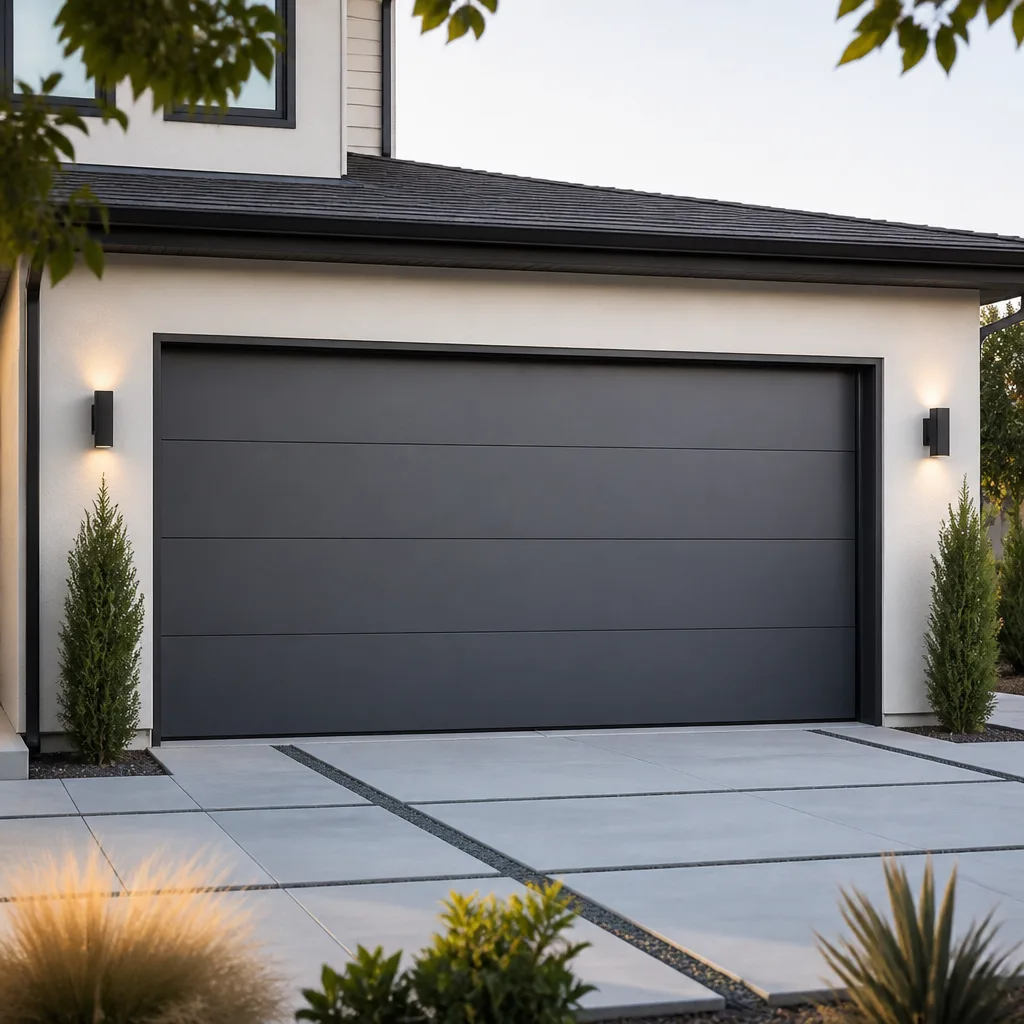 Modern flush
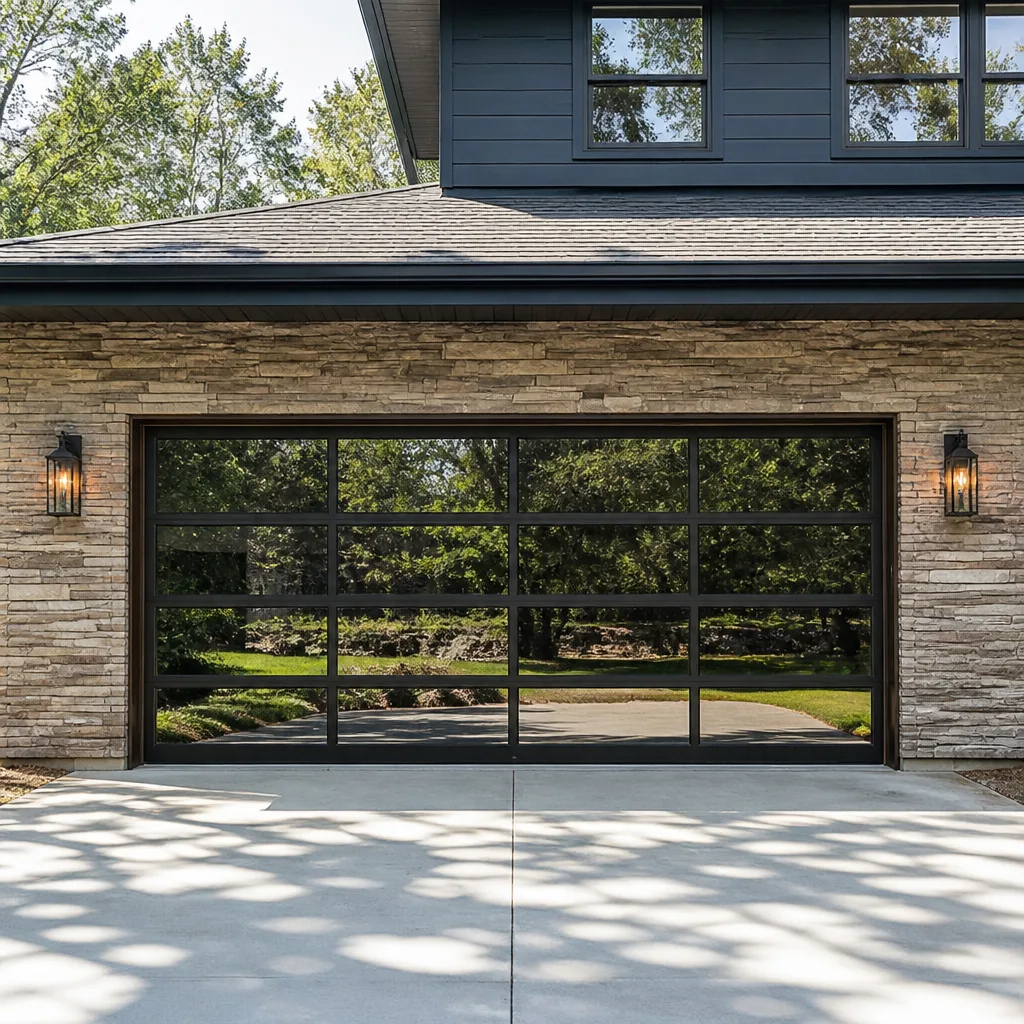 Full-view glass
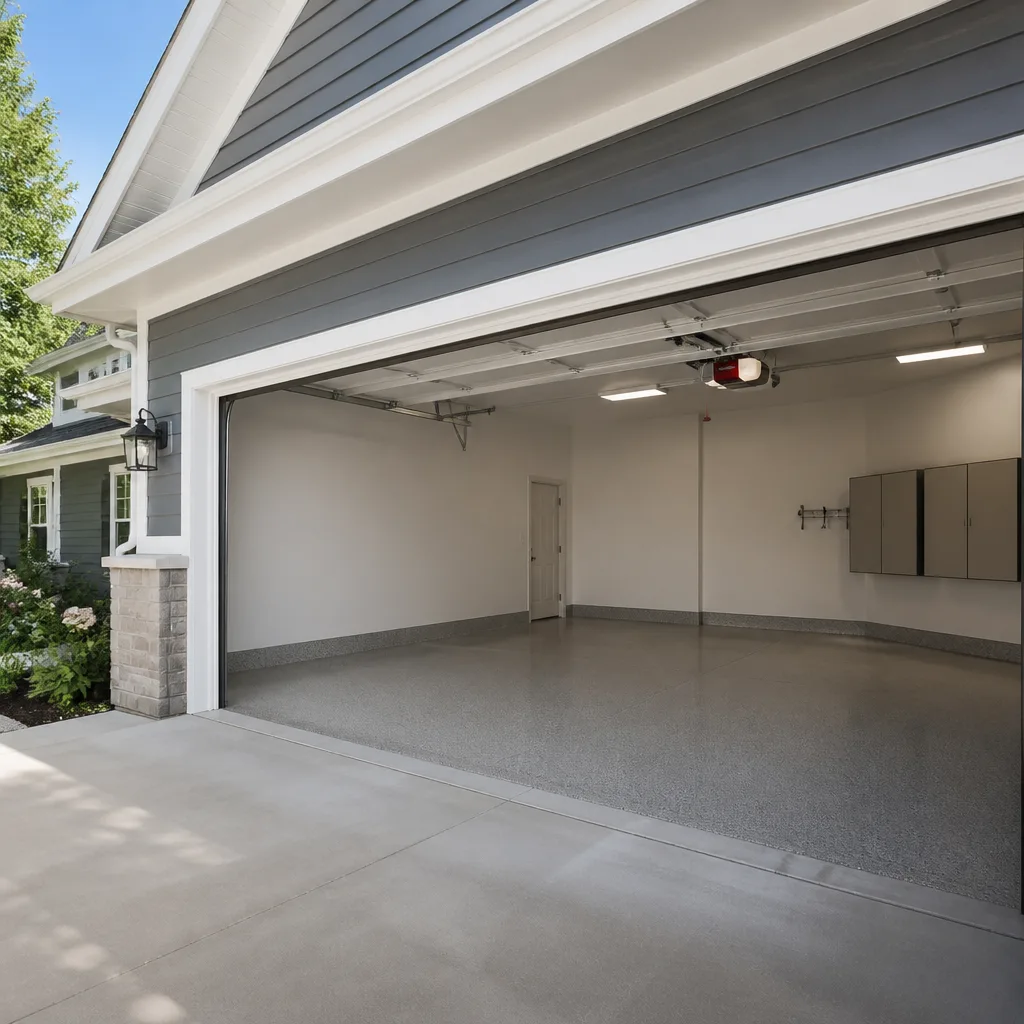 LiftMaster openers
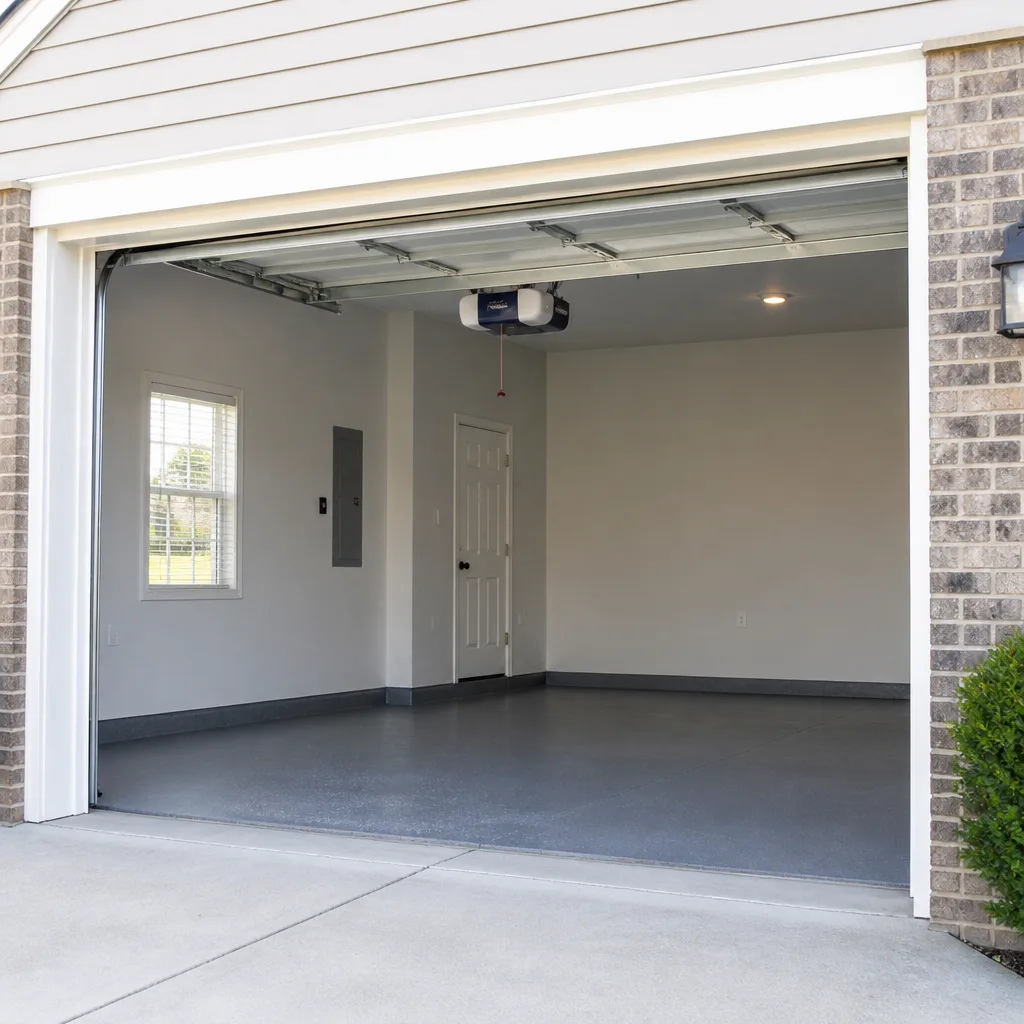 Chamberlain openers
Full 25-point door and opener safety check with every visit - springs, cables, rollers, tracks, and your LiftMaster or Chamberlain opener included
You get a price before we start. It does not change when the pro arrives.
Get your free estimateThe Complete Guide to Garage Doors in West Side
Your garage door is the largest moving part of your home and probably the least understood. Most people couldn’t name a single component until the day it stops working at 7 a.m. with the car trapped inside. That’s the wrong moment to start learning. A garage door is a mechanical system with predictable wear points: springs that cycle thousands of times a year, cables under load, rollers that dry out, and an opener that does more work than it was designed for when the hardware starts to drag. This guide walks West Side homeowners through how the whole system fits together, what New Jersey’s humidity and freeze-thaw swings do to it, how to tell a panel problem from a hardware problem, and when repair makes more sense than replacement.
Quick Answer
A residential garage door in West Side is a balanced mechanical system made of panels, torsion or extension springs, cables, tracks, rollers, hinges, and an opener, and it needs a professional inspection about once a year to stay safe and quiet. Most door failures trace back to worn springs or neglected hardware rather than the opener itself, which is why a proper diagnosis matters before you spend money. Spring repair typically runs $180 – $340 for one spring (a matched pair usually about twice that), and a full new door installation generally runs $1,200 – $3,500 depending on size, material, and insulation.
Styles & brands we work with
- Raised-panel steel
- Carriage house
- Modern flush
- Full-view glass
- LiftMaster openers
- Chamberlain openers
Table of Contents
- How a Garage Door System Actually Works
- What West Side’s Climate Does to Your Door
- Panel, Hardware, or Opener? Diagnosing the Right Problem
- Which Door Styles Fit West Side Housing
- What a Full-System Inspection Covers
- Repair vs. Replace: Lifecycle Costs
- Openers: Brands, Smart Systems, and Repair
- Springs, Cables, and Safety
How a Garage Door System Actually Works
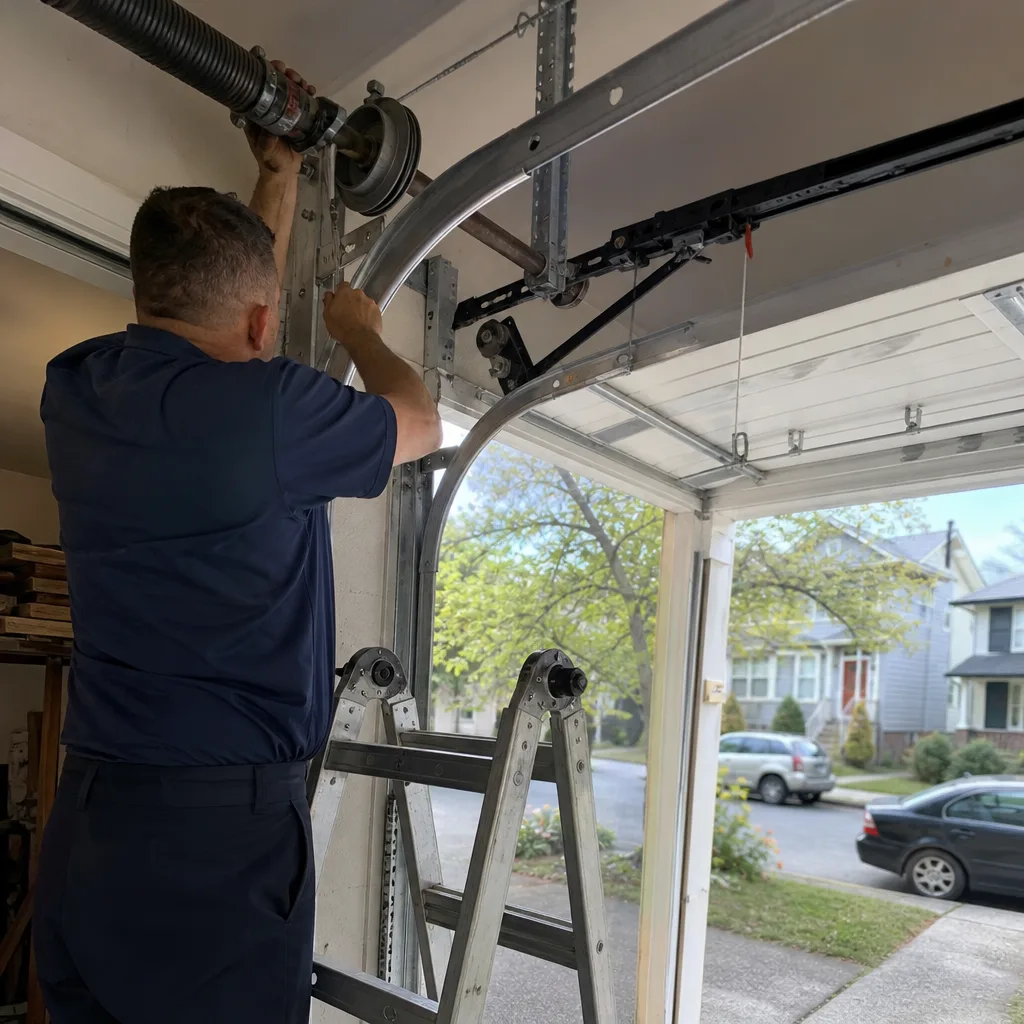
Every sectional garage door is a balanced load. The door panels might weigh a few hundred pounds, but the springs are wound to counterbalance that weight so a person (or a small opener motor) can lift it with one hand. That’s the whole design principle, and once you understand it, most garage door problems start to make sense. When the balance drifts, everything else works harder.
Here are the components that matter and what each one does:
- Springs (torsion or extension): Store the energy that lifts the door. Torsion springs mount on a shaft above the door; extension springs run along the sides. Both are the highest-wear part of the system.
- Cables: Connect the springs to the bottom corners of the door and carry the load. A frayed cable is a serious safety issue.
- Tracks: Guide the rollers and keep the door traveling in a straight line. Bent tracks cause binding and premature roller wear.
- Rollers and hinges: Small parts that take constant friction. Nylon rollers last longer and run quieter than metal ones.
- Opener: The motor, rail, and drive system (belt, chain, or screw) that lifts the door. It’s designed to lift a balanced door, not to drag an unbalanced one.
The reason this matters in West Side is that homeowners often replace the opener when the real problem is a tired spring or a dry roller. If you’d rather have a specialist look at the whole system, our Garage Door Repair West Side team diagnoses the balance first before recommending anything.
What West Side’s Climate Does to Your Door
New Jersey sits in a climate with real seasonal swings, and those swings work on your garage door all year. Summer humidity swells wood, softens paint, and can warp cheaper composite panels. Winter cold contracts metal and stiffens grease. But the biggest wear driver is the freeze-thaw cycle: water gets into small cracks, freezes, expands, and widens them, then thaws and drains. Over a few winters that cycle does real damage to untreated wood door bottoms, metal seams, and painted steel edges.
What to watch in a West Side home:
- Wood doors: Check the bottom rail and panel joints each fall for soft spots, bubbling paint, or dark staining that signals moisture. Repainting every few years is cheaper than replacing rotted sections.
- Steel doors: Look for rust at the bottom edge where road splash and snowmelt collect. A small rust spot treated early stays small.
- Hardware: Metal rollers and hinges lose lubrication in cold, and dry rollers get noisy and wear the track. A seasonal lube keeps things quiet.
- Weather seal: The rubber or vinyl seal along the bottom is the first line against drafts, water, and pests. A cracked seal lets water pool at the door bottom, which accelerates rot and rust.
Humidity also stresses the opener’s electronics and the door’s balance. A door that’s perfectly balanced in October can feel heavier in January because cold thickens lubricant and stiffens seals. If your West Side door starts reversing or straining in cold weather, the balance is usually the culprit, not the motor.
Panel, Hardware, or Opener? Diagnosing the Right Problem
Most money wasted on garage doors goes to misdiagnosis. A homeowner hears a grinding noise, assumes the opener is dying, and buys a new one. The real problem was a worn roller or a bent track. Getting the diagnosis right is the single biggest cost saver in this trade, and it’s why a proper garage door repair visit starts with observation, not a parts order.
Here’s a simple way to sort out what you’re dealing with:
- The door looks wrong. A bent or dented panel, a gap at the top, or a door that looks crooked in the opening points to panels or tracks. Panel issues are usually visible from the outside.
- The door moves wrong. It binds, jerks, hangs, or feels heavy when you lift it by hand. That’s a hardware or balance issue: springs, cables, rollers, or tracks.
- The door won’t move at all but the motor runs. A humming opener with no movement suggests the drive gear, the rail, or the opener’s internal mechanism. If the motor is silent, it’s electrical or the remote/sensor.
- The door reverses immediately. Safety sensors, a misaligned track, or a balance problem. Check the sensors first, then the balance.
- Loud grinding or squealing. Dry rollers, worn bearings, or a failing opener gear. The noise location tells you which.
The order matters. Panels are cosmetic until they compromise the seal or the door’s alignment. Hardware and springs are safety-critical. The opener is a motor doing a mechanical job, and it only does that job well when everything else is right. For a brand-specific opener issue, our garage door opener repair team handles the electronics and drive systems on the major brands.
Which Door Styles Fit West Side Housing
West Side’s housing stock is mostly colonials, split-levels, and older ranches, and those home styles don’t all want the same garage door. A colonial with a prominent front facade usually looks right with a raised-panel door in a color that matches the trim. Split-levels, which often have a garage tucked under the main level, tend to suit a traditional short-panel or carriage-house style. Older ranches often have a flatter, wider opening where a long-panel steel door reads cleanly and isn’t fighting the architecture.
Practical picks by home type:
- Colonial: Raised-panel steel or carriage-house style. Insulated if the garage sits under living space.
- Split-level: Short-panel or traditional raised-panel. Watch the headroom, since some split-level garages run tight on vertical space.
- Older ranch: Long-panel steel in a neutral color. Steel resists the moisture swings better than wood in this climate.
- Any home with a room above the garage: Insulated doors are worth the extra cost. They cut noise and help hold heat.
Material choices narrow quickly once you factor in climate. Steel and aluminum handle humidity swings best. Wood needs more maintenance. Composite holds up well and mimics wood. If you’re planning a change, garage door installation starts with measuring the opening, headroom, and sideroom before anyone talks color, because the wrong size class eliminates options fast. We work with Clopay and Amarr panels among other major brands, so the style you want usually has a match.
What a Full-System Inspection Covers
A garage door is a system, and inspecting one part in isolation misses the point. A proper inspection in West Side looks at balance, hardware, safety devices, and weather sealing together, because a problem in one area usually shows up somewhere else. We recommend a full inspection once a year, ideally before winter, plus a quick visual check every few months. That cadence lines up with how the freeze-thaw season stresses the door.
What a thorough inspection should cover:
- Balance test: Disconnect the opener and lift the door halfway. It should hold there with little effort. If it drops or feels heavy, the springs need attention.
- Springs and cables: Inspect for gaps in the spring coils, rust, fraying, or slack in cables. This is visual only; springs are never something to touch or adjust yourself.
- Rollers, hinges, and tracks: Check for wear, flat spots, loose hinges, and tracks that are bent or out of plumb.
- Opener function: Test the safety reverse, check the force settings, and listen to the drive system. A straining opener usually has a mechanical cause.
- Weather seal and bottom rail: Look for cracks in the seal and rust or rot at the door bottom, where moisture collects in this climate.
- Lubrication: A light application on rollers, hinges, and the spring shaft keeps things quiet and slows wear.
If you schedule one inspection a year in West Side and fix small things as they show up, you avoid most emergency calls. Our technicians have up to 8 years of experience, and they check the system in this order because that’s the order that finds the real cause. Free estimates are available when you call (855) 963-4043.
Repair vs. Replace: Lifecycle Costs
This is the decision homeowners ask about most, and the honest answer depends on the age of the door and what’s failing. A single spring replacement is a straightforward repair that restores full function for years. A door with multiple dents, failing panels, and worn hardware is throwing good money after bad. The trick is comparing what a repair buys against what a replacement gives you.
Typical estimated ranges (final price set by the written estimate):
- One torsion or extension spring: $180 – $340. A matched pair is usually replaced together, so about twice that range.
- Cable replacement: $150 – $300, depending on the door and the number of cables.
- Roller and hinge replacement: $100 – $250 for a full set, sometimes less for a partial.
- Track repair or straightening: $120 – $280, depending on how badly it’s bent.
- Opener repair: $120 – $300, depending on the brand and the failed component.
- New opener installation: $300 – $600, including the unit for a standard model.
- Full new door installation: $1,200 – $3,500, depending on size, material, and insulation.
Here’s the lifecycle logic. If your door is in decent structural shape and the failure is mechanical, repair is almost always the better use of money. If the panels are compromised, the door is hard to balance even after repair, or you’re replacing springs and hardware on the same door repeatedly, a new door resets the clock and usually improves insulation and curb appeal at the same time. In West Side’s housing stock, a well-chosen steel door also handles the climate better than an older wooden door that’s already showing moisture damage. For a full-system look at your own door, call us for a free estimate and a written price before anything is decided.
Openers: Brands, Smart Systems, and Repair
The opener is the part most homeowners know by brand, and that’s useful, because openers behave differently from one another. LiftMaster and Chamberlain (the myQ smart-home ecosystem) are the two most connected systems in modern homes, and their Wi-Fi and app-based features change how problems show up. Genie and Craftsman are widely installed legacy systems where mechanical failures are more common than connectivity issues. Knowing which brand is on your ceiling saves time on the phone.
What tends to go wrong, by system type:
- Smart openers (LiftMaster, Chamberlain myQ): Connectivity issues, app pairing problems, sensor faults, and firmware quirks. Modern electronics fail differently than old motors.
- Legacy openers (Craftsman, Genie): Worn drive gears, failing capacitors, remote and receiver problems, and tired safety sensors.
- Belt, chain, or screw drive: Each has its own wear pattern. Belt drives run quiet but can stretch; chain drives are loud but durable; screw drives need regular lubrication.
We work on these systems specifically, so we know the tolerances and parts for the brand on your door. The most common mistake we see in West Side is replacing a working opener because it seemed like the easier fix. If the door is out of balance or the rollers are dragging, a brand-new opener will strain just as much. Our opener repair service starts with the mechanical side and moves to the electronics from there. When replacement makes more sense, a new LiftMaster or Chamberlain unit pairs cleanly with the rest of the door.
Springs, Cables, and Safety
Torsion and extension springs are under extreme tension at all times, and they’re the most dangerous part of the system. When a spring fails it can release that stored energy suddenly, and the cables attached to it are equally unforgiving. This is the one area of garage door work that should never be a homeowner project. Trained technicians use proper winding tools and control the release, and that’s exactly why spring repair is a specialist job, not a handyman job.
Safety basics for West Side homeowners:
- Never touch, adjust, or attempt to wind a torsion spring. That’s a professional-only job.
- If you see a gap in a spring coil, rust, or a bent spring, stop using the door and call for service.
- Keep fingers and hands clear of the hinges and the bottom rail while the door moves.
- Test the safety reverse monthly by placing an object in the door’s path.
- If the door comes down hard or makes a loud snap, don’t force it; the springs or cables need attention.
Our technicians handle high-tension torsion and extension springs directly, and we treat that work as safety-critical every time. If a spring snaps in West Side and the door is stuck or blocking a vehicle, we answer 24/7 and offer same-day emergency service. Fast dispatch from 7am to 7pm. Call (855) 963-4043 and we’ll get a professional out to secure the door.
Common Mistakes to Avoid
- Replacing the opener first. When a door strains, most homeowners assume the motor is at fault. The real cause is usually a tired spring or dragging roller, and a new opener on an unbalanced door just wears out faster.
- Ignoring a small rust spot on a steel door. In West Side’s freeze-thaw cycle, a small rust spot at the bottom rail widens each winter. Treating it early is a ten-minute job; replacing a rotted bottom section isn’t.
- Greasing the tracks. Rollers and hinges need lubrication, but the tracks should stay dry. Grease in the tracks collects grit and causes binding.
- Skipping the annual inspection because the door still works. The door working is not the same as the door being safe. A balance or cable problem can be invisible until it fails.
- Buying a new door by color before checking the opening. Size, headroom, and sideroom decide which styles fit. Choosing the look first can eliminate your favorite option.
- Choosing the cheapest spring quote without asking about the pair. Springs wear at the same rate. Replacing one and leaving its partner is a short-term fix that often leads to a second call.
- Ignoring the weather seal. A cracked bottom seal lets water pool at the door, which is how moisture damage starts on West Side doors. It’s an inexpensive part that protects an expensive one.
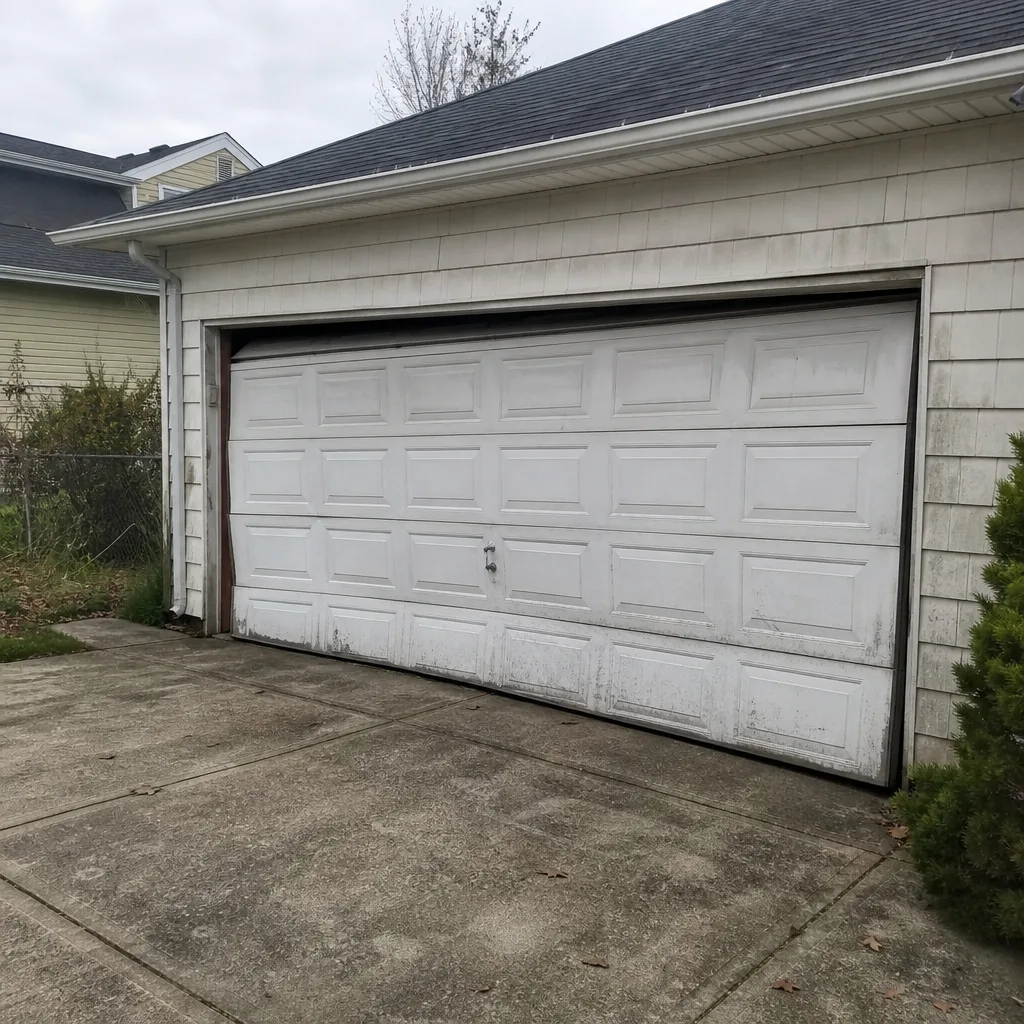
See the difference
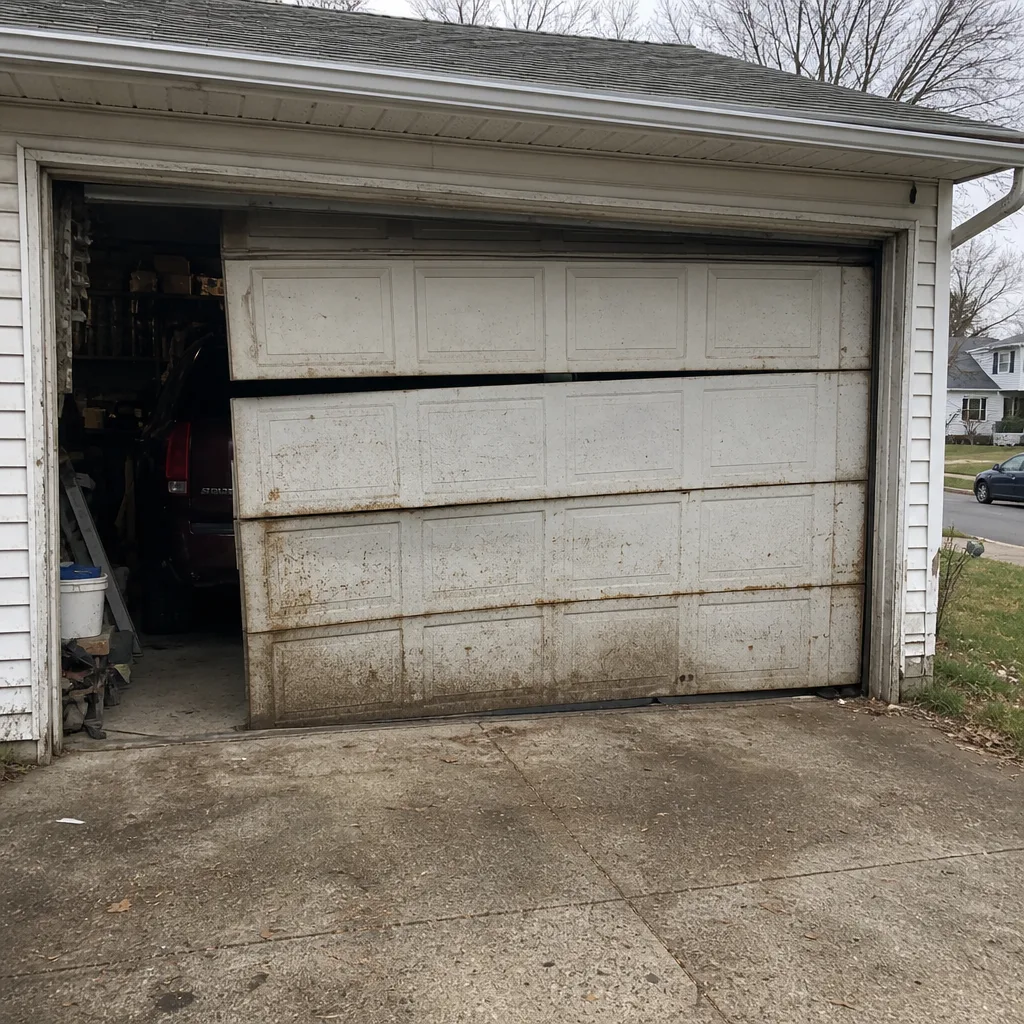 Before
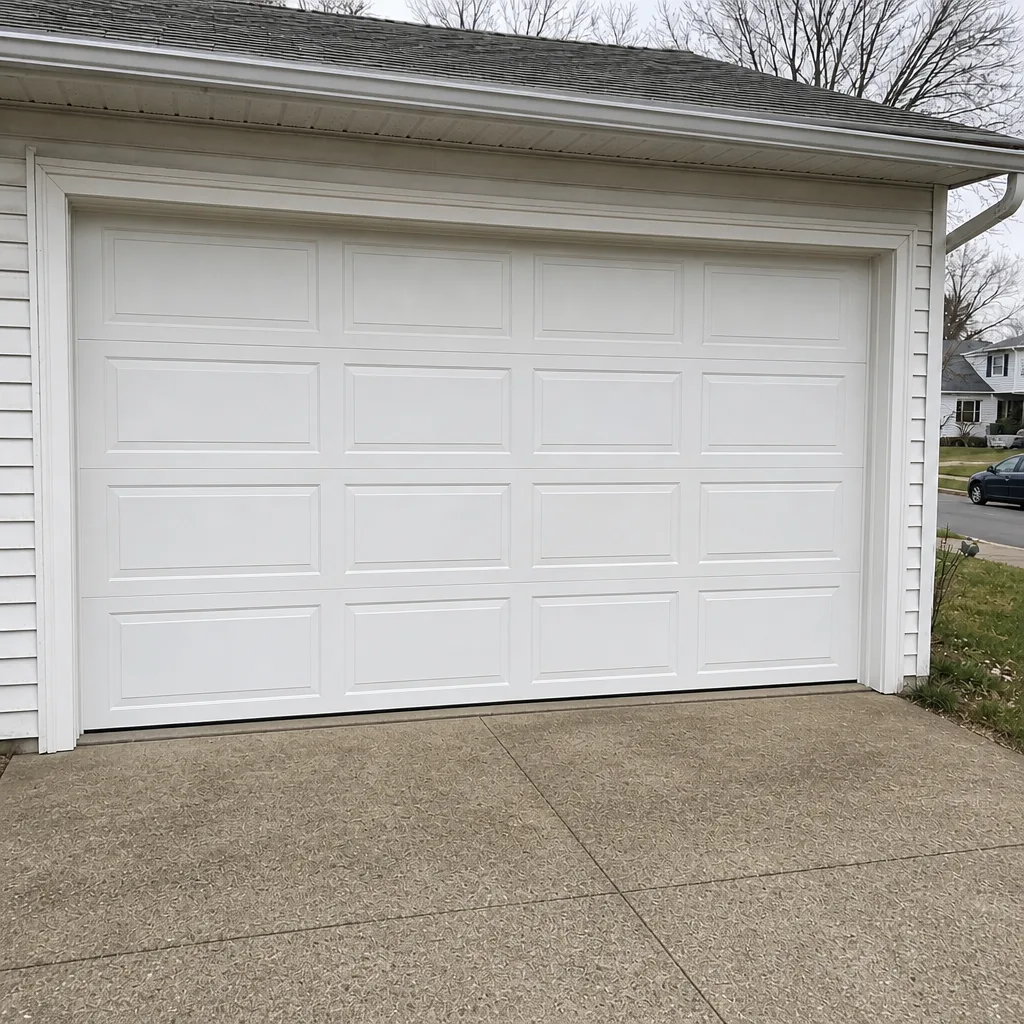 After
 Before
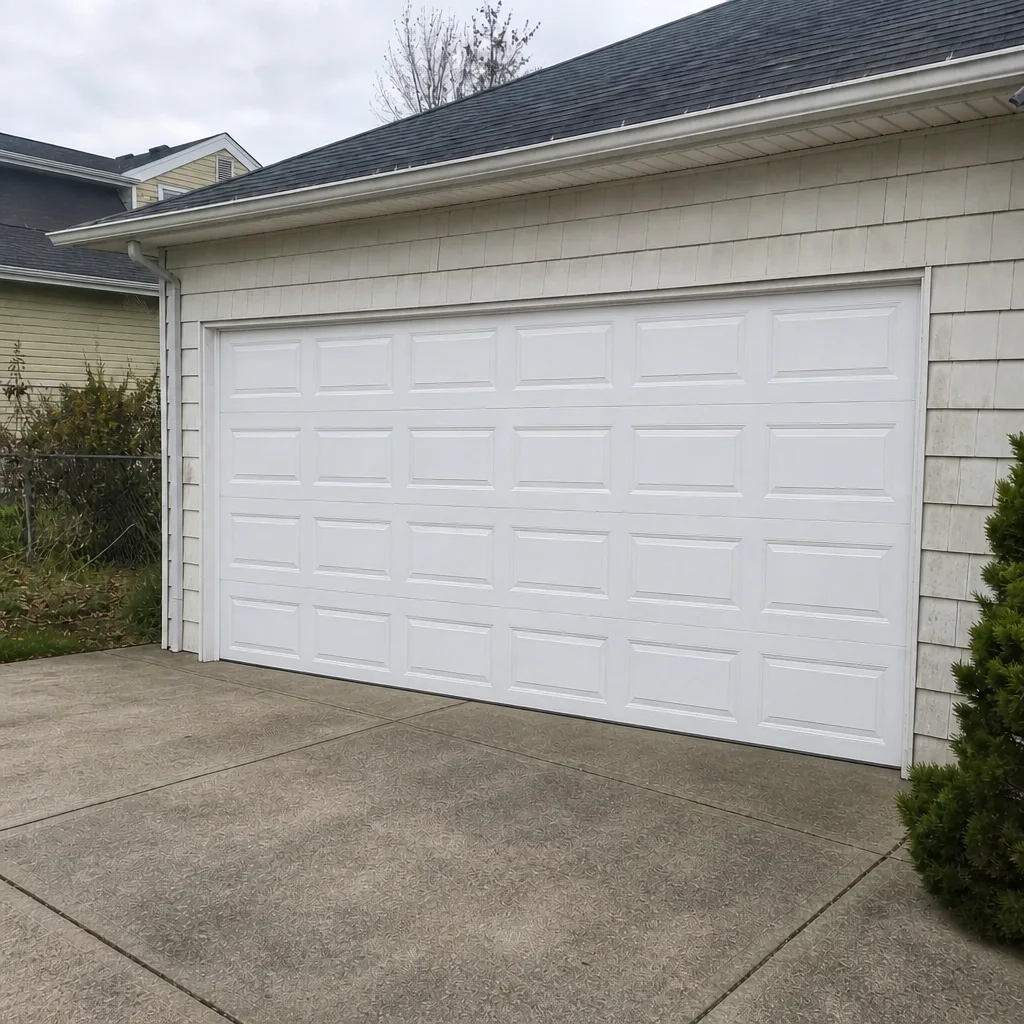 After
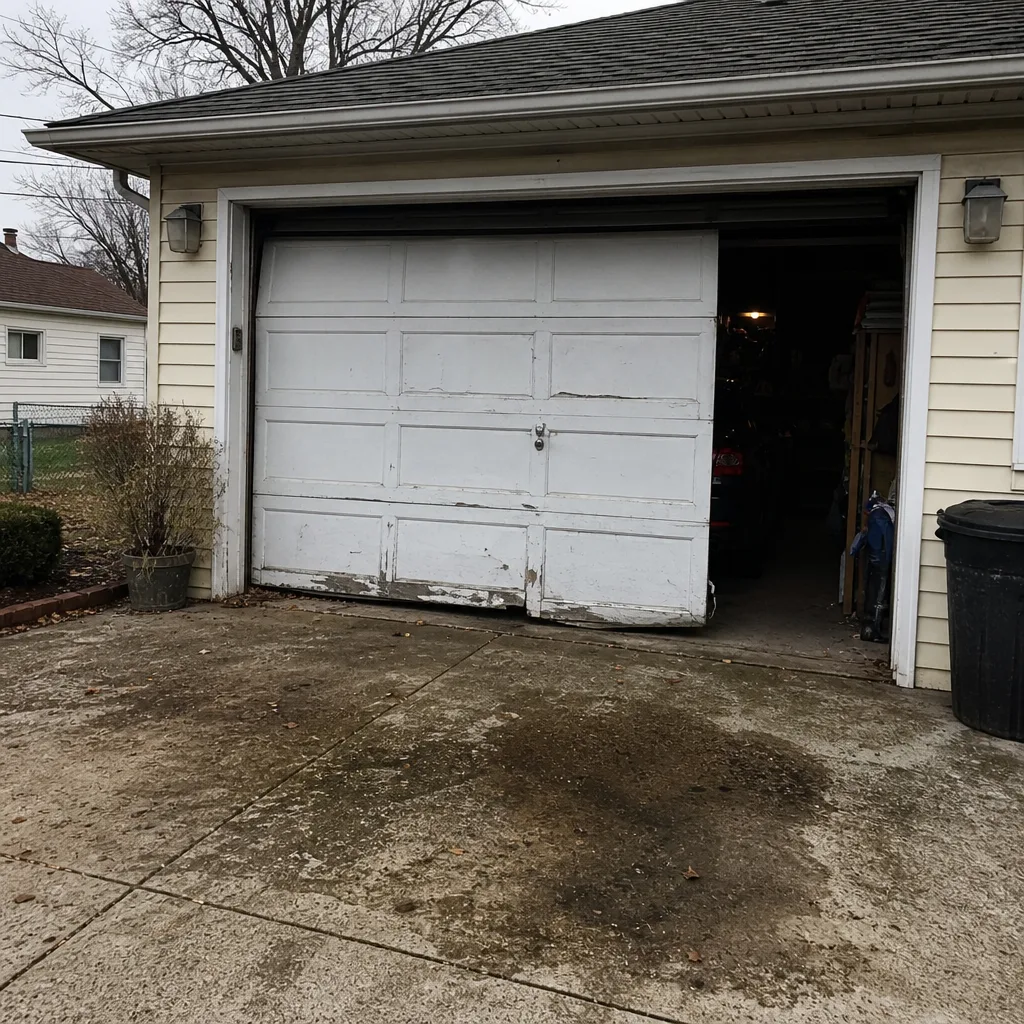 Before
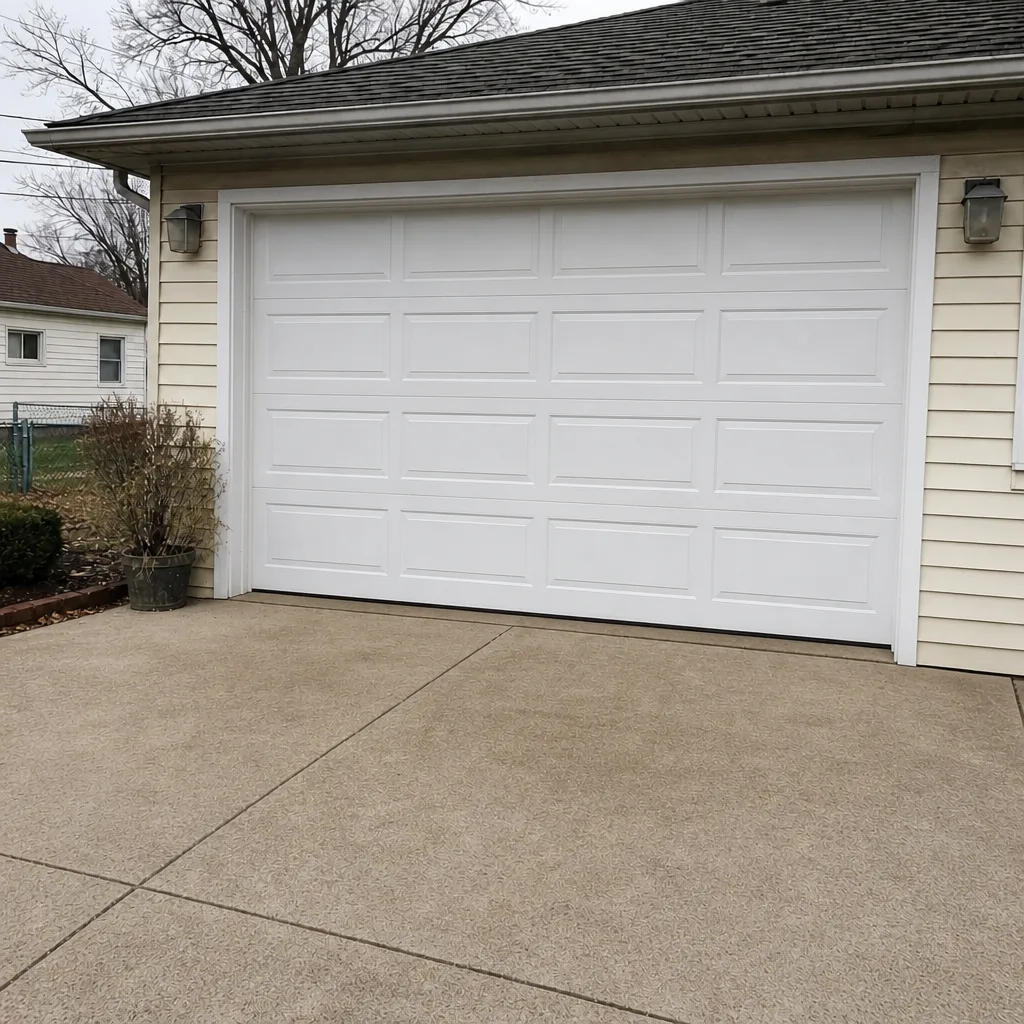 After
When to Call a Professional
Some garage door issues can wait for a scheduled visit; others can’t. Call a professional if your door comes down hard, if a spring has snapped and the door won’t lift, if a cable is frayed or hanging loose, if the door is crooked in the opening, or if the opener runs but the door doesn’t move. These are the scenarios where a diagnostic visit saves money and prevents injury. Routine maintenance, weather-seal replacement, and roller lubrication can be scheduled ahead. Garage Door Repair West Side offers free estimates in West Side, so you can get a written price before committing to anything. Call (855) 963-4043. We answer 24/7. Fast dispatch from 7am to 7pm, Sunday through Friday. For anything that can’t wait, our emergency service is a standing offering, not an add-on.
Frequently Asked Questions
Spring repair in West Side typically runs $180 – $340 for one spring, and a matched pair is about twice that since they’re usually replaced together. The final price depends on the spring size, the door type, and whether any cables need attention. Call (855) 963-4043 for an exact quote; estimates are free and the price is agreed before any work starts.
Once a year is the standard recommendation, ideally before winter when freeze-thaw cycles in West Side put the most stress on the system. A yearly inspection catches balance problems, worn rollers, and weather-seal issues before they turn into emergency calls. A quick visual check every few months helps in between.
No. Torsion and extension springs are under extreme tension and can cause serious injury if handled without the right tools and training. This is one of the few garage door repairs that should always go to a trained technician. If your door is stuck with a broken spring, call (855) 963-4043 and we’ll secure it safely.
Repair usually wins when the door is structurally sound and the failure is mechanical, like a spring or roller. Replacement makes more sense when panels are compromised or the door has repeated failures. As a rough guide, spring repair runs $180 – $340 per spring, while a full new door runs $1,200 – $3,500. Call for a free estimate and we’ll walk you through the better option for your door.
We work on equipment from LiftMaster, Chamberlain, Genie, Clopay, Amarr, Wayne Dalton, Craftsman, and Raynor. That covers the two dominant smart-home systems and the most common legacy openers in West Side homes. If your opener is one of these, we’ll know the parts and tolerances before we arrive. Call (855) 963-4043 with your brand and model ready.
We answer 24/7. A call outside dispatch hours is booked into the next opening, Sunday through Friday, 7am to 7pm. If the door is blocking a vehicle or won’t close, call (855) 963-4043 right away and we’ll get you scheduled into the next available slot.
A new door installation in West Side typically runs $1,200 – $3,500, depending on the size, material, and whether it’s insulated. Steel doors handle the local humidity swings best, and insulated options suit homes with rooms above the garage. Call (855) 963-4043 for a free measure and a written price; installation is scheduled rather than same-day, because the door has to be ordered and fitted to your opening.
No. On a repair, we diagnose the issue, quote the price, and agree it with you before any work starts. On an installation, we measure and write up the quote, and the written estimate is the price. The estimate itself is free. Call (855) 963-4043 to book.
The Bottom Line
A garage door is a mechanical system with predictable failure points, and understanding it is the cheapest maintenance you can do. Springs and cables are the safety-critical parts and always need a professional. The opener gets blamed for problems that usually start in the hardware. West Side’s humidity and freeze-thaw cycles make seasonal inspection worth the small cost, especially for wood and steel doors. Repair usually beats replacement when the structure is sound; replacement wins when panels are failing. Call (855) 963-4043 for a free estimate, and get ahead of the next breakdown instead of reacting to it.
Written by the team at Garage Door Repair West Side.